
Slayer v.s. Megadeth
Two thrash-metal titans. One winner. It’s time to settle one of metal’s greatest rivalries — Slayer vs. Megadeth — and your vote decides who claims the throne.


Be the first to react to Megadeth
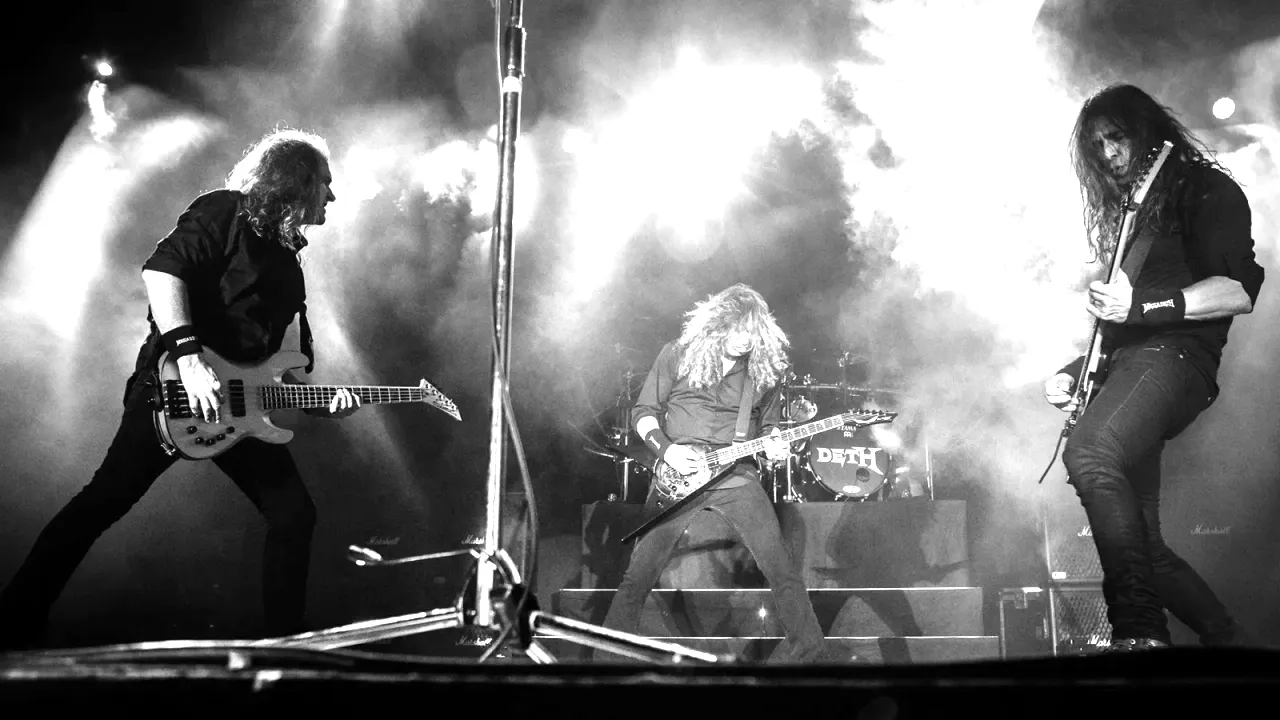
Megadeth, the thrash metal titans, emerged from the Los Angeles scene in 1983, spearheaded by the visionary guitarist and vocalist Dave Mustaine. Instantly recognizable for their technically masterful musicianship and complex guitar work, they solidified their place as one of thrash`s "Big Four," alongside Metallica, Anthrax, and Slayer, significantly shaping and popularizing the genre. Their music is a whirlwind of intricate arrangements, blistering fast tempos, blistering dual guitar leads, and lyrics exploring themes of war, politics, religion, death, and the complexities of human relationships.
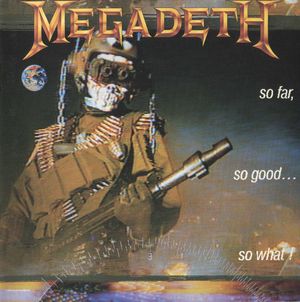
Their 1985 debut, Killing Is My Business... and Business Is Good!, released on Combat Records, generated initial buzz, paving the way for a major label deal with Capitol. The subsequent release of Peace Sells... but Who`s Buying in 1986 catapulted them to underground metal stardom. While internal struggles, including substance abuse and band member conflicts, plagued Megadeth throughout the late 1980s, they persevered, achieving multiple platinum albums, including the landmark So Far, So Good... So What! Their legacy as a pioneering force in thrash metal remains undeniable.
Discover more bands in the Alternative Metal genre and explore the diverse sounds that define this musical style.
Browse All Alternative Metal BandsDiscover the rich musical heritage of United States and explore bands that represent the country's unique sound and culture.
Browse All United States Bands

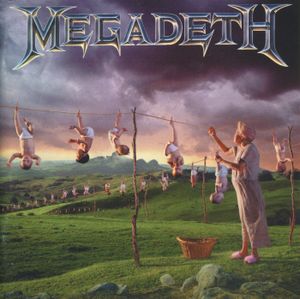

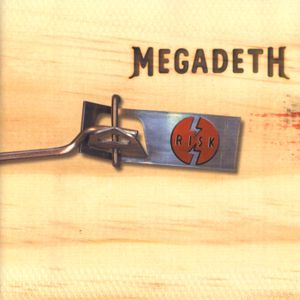
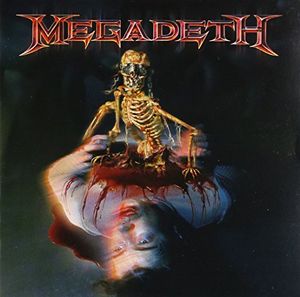

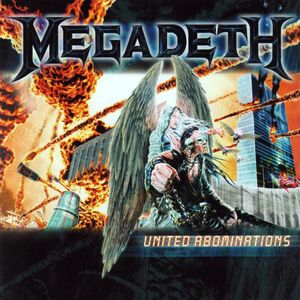
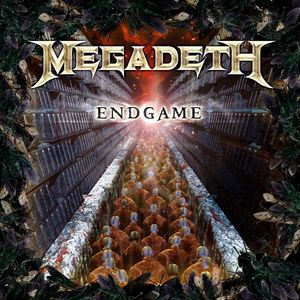
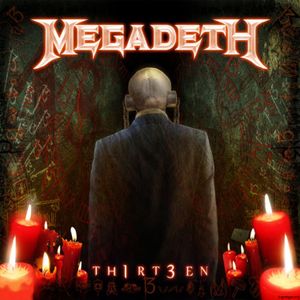

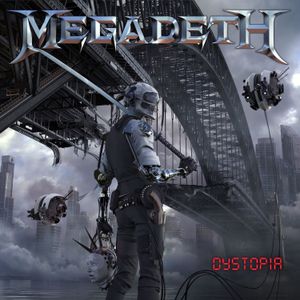
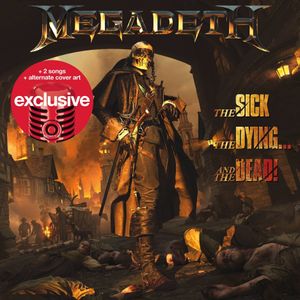
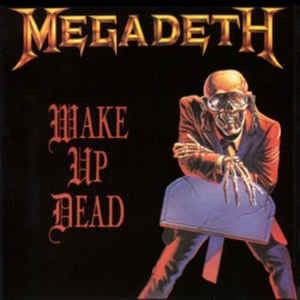
Megadeth was formed in Los Angeles in 1983 by Dave Mustaine following his dismissal from Metallica. Focused on creating a band that was heavier and faster than his former group, Mustaine assembled new members including bassist David Ellefson. The name Megadeth was inspired by a political pamphlet referencing massive nuclear destruction, which encapsulated the band's aggressive and intense musical style. This founding marked the start of one of the pioneering bands of American thrash metal.
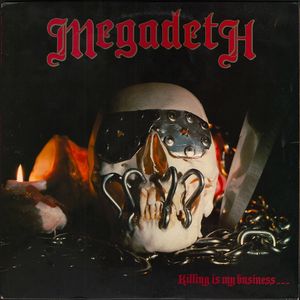
In 1985, Megadeth released their debut album, "Killing Is My Business... and Business Is Good!", on the independent label Combat Records. The album showcased their technically complex musicianship and raw thrash metal sound. Although it achieved only moderate commercial success, it helped build a dedicated underground following and caught the attention of major record companies, paving the way for future success and broader recognition within the metal community.
Megadeth signed with Capitol Records and released "Peace Sells... but Who's Buying?" in 1986. This album was pivotal, significantly raising the band's profile in the metal underground and beyond. Featuring intricate compositions and politically charged lyrics, it solidified Megadeth's reputation as one of the leaders in thrash metal. Despite facing controversies related to band members' substance issues, the album's success established Megadeth as a major force in the heavy metal scene during the 1980s.


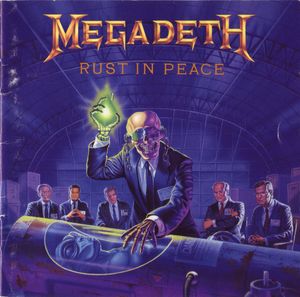
In 1990, Megadeth released "Rust in Peace," an album now widely regarded as a landmark in thrash metal history. This record featured highly technical guitar work, complex arrangements, and tackled themes of war and political strife. The album received critical acclaim and commercial success, elevating Megadeth to new heights in the music industry. It is often cited as one of the greatest metal albums and helped attract mainstream attention, much expanding the band's audience worldwide.
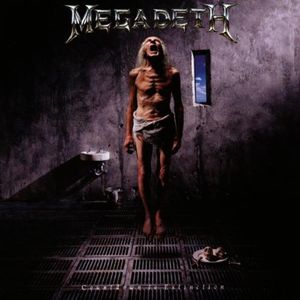
"Countdown to Extinction" was released in 1992 and continued Megadeth's streak of platinum-selling albums. It displayed the band's ability to blend aggression with melody and further refined their lyrical focus on social and political issues. The album broadened their fanbase and secured their standing among the 'big four' of thrash metal. Extensive touring in support of the album helped increase their global presence and solidified their reputation as a top-tier metal band.
Megadeth disbanded temporarily in 2002 after Dave Mustaine suffered an arm injury that compromised his ability to play guitar. This period marked a challenging time for the band, compounded by internal conflicts and legal disputes, particularly involving bassist David Ellefson. In 2004, Mustaine reformed Megadeth with new members, marking a fresh start. This era also underscored Mustaine's role as the sole consistent member, and the band began working on new material, signaling their return to the metal scene.
Megadeth won their first Grammy Award in 2017 for the song "Dystopia." This award recognized the band's enduring influence and excellence within the metal genre, more than three decades after their formation. The Grammy win also highlighted Megadeth's ability to remain relevant and innovative in a rapidly evolving musical landscape. The award served as a significant milestone reflecting their sustained contribution to heavy metal music.
In 2022, Megadeth released their sixteenth studio album, "The Sick, the Dying... and the Dead!" The album continued to deliver the band's signature blend of technical mastery and aggressive thrash metal style. It was received well by fans and critics, evidencing their lasting place in heavy metal despite lineup changes and industry shifts. The album reinforced Megadeth's commitment to producing new music while upholding the high standards set during their long career.
On August 14, 2025, Dave Mustaine announced that the upcoming seventeenth studio album and the planned 2026 tour would be Megadeth's last. This announcement marked an impending end to their over four-decade-long career. It signified a major moment for fans and the metal community, reflecting on the band's influential legacy. Mustaine's decision highlights the closure of an era for one of thrash metal's most successful and enduring bands.