
Bands by Genres
Explore Every Beat, From Classic Rock to Metal – Find Your Sound with The Band Index!
Showing 58 of 58 genres

Alternative Rock
Alternative rock, emerging in the 1980s, rejected mainstream rock's formulaic structures, embracing diverse influences like punk, indie, and experimental music. Its defining characteristics include unconventional song structures, introspective lyrics, and a raw, often distorted sound. Notable artists include Nirvana, Radiohead, and the Pixies, showcasing the genre's broad stylistic range.
Hard Rock
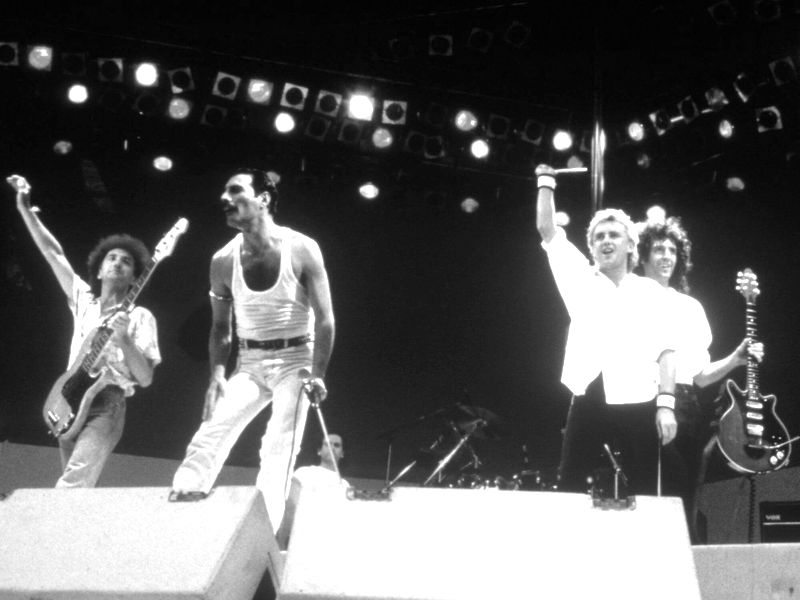
Hard rock, a genre born in the late 1960s, fuses blues-based rock with amplified guitars and powerful vocals. Its sound is characterized by heavy distortion, driving rhythms, and often rebellious or anthemic lyrics. Think Led Zeppelin, Deep Purple, and Black Sabbath for quintessential examples of the genre's raw energy and impact.
Metalcore
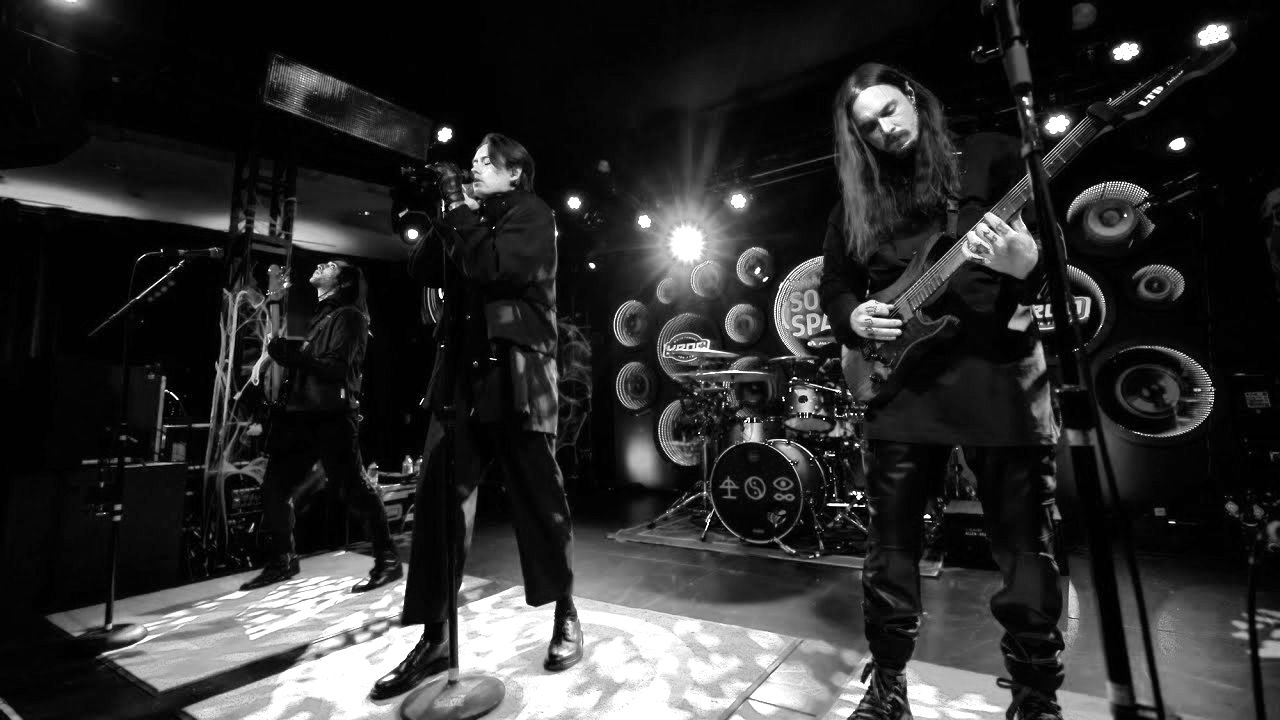
Metalcore fuses the aggression and heaviness of metallic hardcore with the melodic elements and breakdowns of metal. Characterized by soaring vocals, blast beats, and intricate guitar riffs, it often incorporates elements of other genres like deathcore or post-hardcore. The result is a dynamic and intense sound that appeals to fans of both extreme and melodic music.

Alternative Metal
Alternative metal fuses the heavy riffs and aggressive energy of metal with the experimental and unconventional sounds of alternative rock. Characterized by dissonant guitar work, often incorporating elements of grunge, hard rock, and even funk, it broke away from traditional metal structures in the early 1990s. Notable bands like Faith No More, Tool, and Deftones helped define this genre's unique and influential sound.
Rock
Rock music, born from blues and R&B, is characterized by its powerful guitar riffs, driving rhythms, and rebellious spirit. Its diverse subgenres, from hard rock to punk to alternative, showcase a wide range of styles and lyrical themes. From stadium anthems to intimate ballads, rock's enduring appeal lies in its raw energy and emotional resonance.
Metal
Metal music is characterized by distorted guitars, aggressive vocals, and complex song structures. Its subgenres range from the thrashing intensity of speed metal to the melancholic beauty of gothic metal. From its origins in hard rock, metal has evolved into a diverse and influential force in popular music.
Pop Rock
Pop rock blends the catchy melodies and accessible structures of pop music with the energy and instrumentation of rock. It often features driving rhythms, catchy hooks, and relatable lyrics, appealing to a broad audience. Think upbeat tempos, powerful vocals, and a generally positive, sometimes anthemic vibe.
Heavy Metal
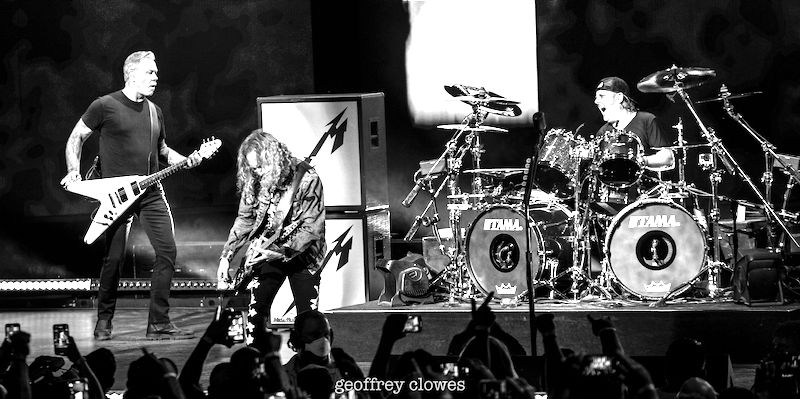
Heavy metal is a genre of rock music characterized by distorted guitars, powerful drumming, and aggressive vocals. Its lyrical themes often explore darker subjects like fantasy, war, and social commentary. Subgenres like thrash metal, power metal, and death metal showcase diverse styles within the broader heavy metal umbrella.
Indie Rock
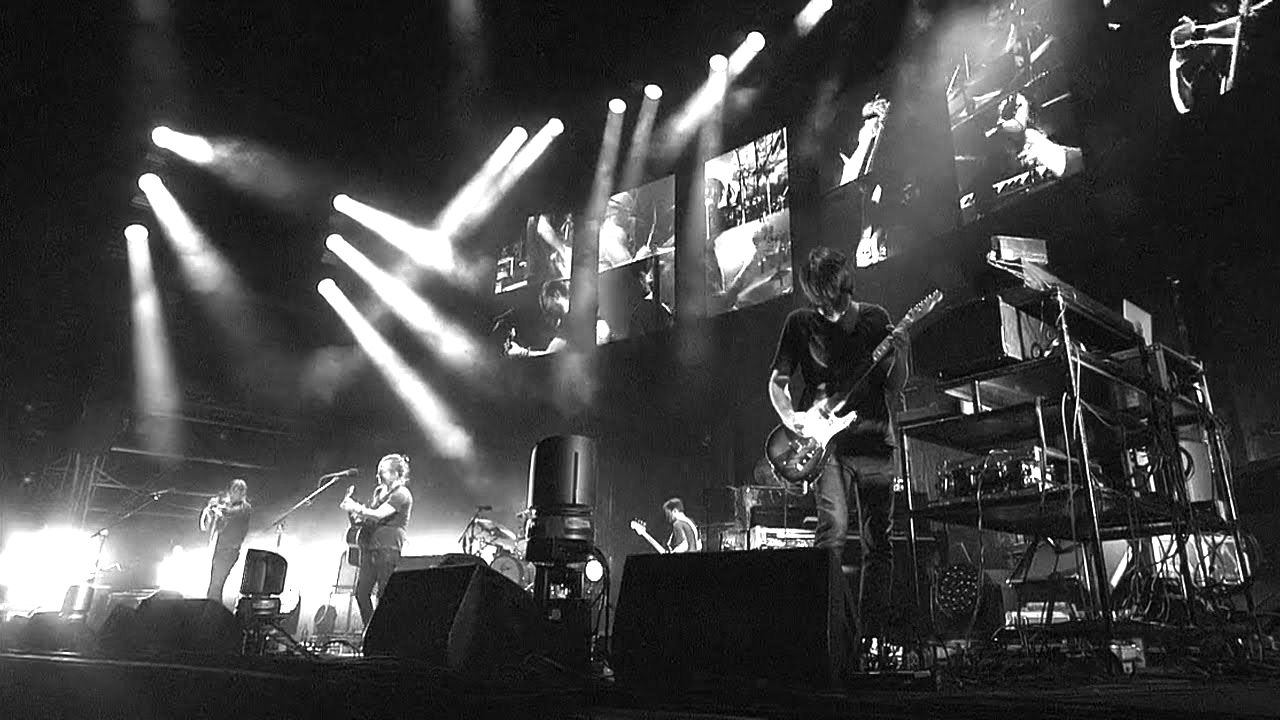
Indie rock emerged from underground scenes, defying mainstream trends with its raw, often lo-fi sound. Characterized by a DIY ethos and diverse instrumentation, it encompasses a wide range of styles from jangly pop to experimental noise. Lyrically, indie rock often explores themes of alienation, identity, and societal critique, resonating deeply with listeners seeking something beyond the commercial mainstream.

Punk Rock
Punk rock is a fast, aggressive genre of rock music characterized by rebellious lyrics and a DIY ethic. Its stripped-down sound, often featuring distorted guitars and shouted vocals, rejects mainstream musical conventions. Originating in the 1970s, punk rock continues to influence diverse subgenres and inspire countercultural movements.
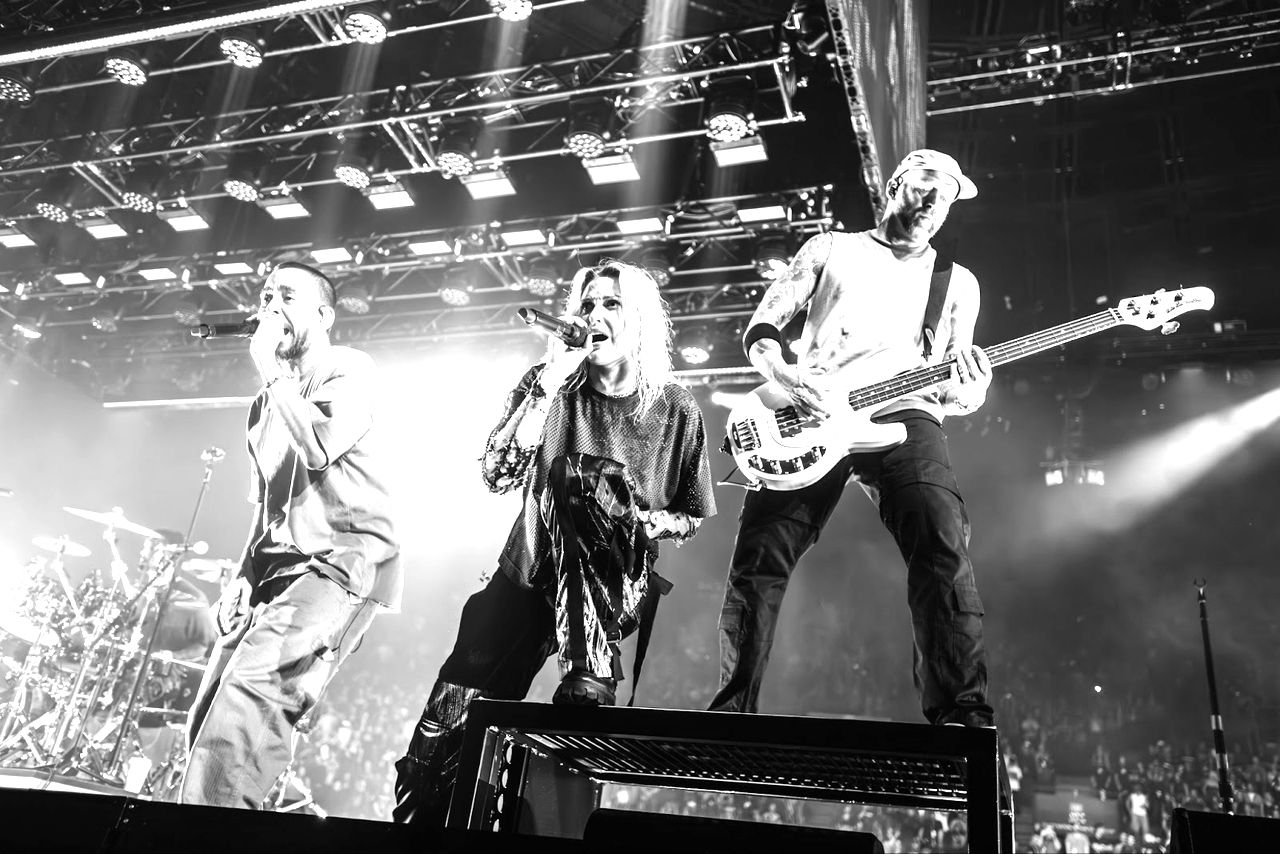
Nu Metal
Nu metal fused aggressive hard rock with hip-hop influences, creating a sound characterized by heavy distorted guitars, rapping vocals, and often politically or socially charged lyrics. Its popularity peaked in the late 1990s and early 2000s, launching bands like Korn and Limp Bizkit to mainstream success. While its mainstream popularity waned, nu metal's impact on subsequent rock and metal subgenres remains undeniable.

Hardcore Punk
Hardcore punk is a fast, aggressive subgenre of punk rock, characterized by its furious tempos, shouted vocals, and often politically charged lyrics. Its raw, unpolished sound rejects mainstream musical conventions, embracing a DIY ethic and intense energy. The genre's influence spans various music scenes and continues to inspire politically conscious and intensely passionate musicians.
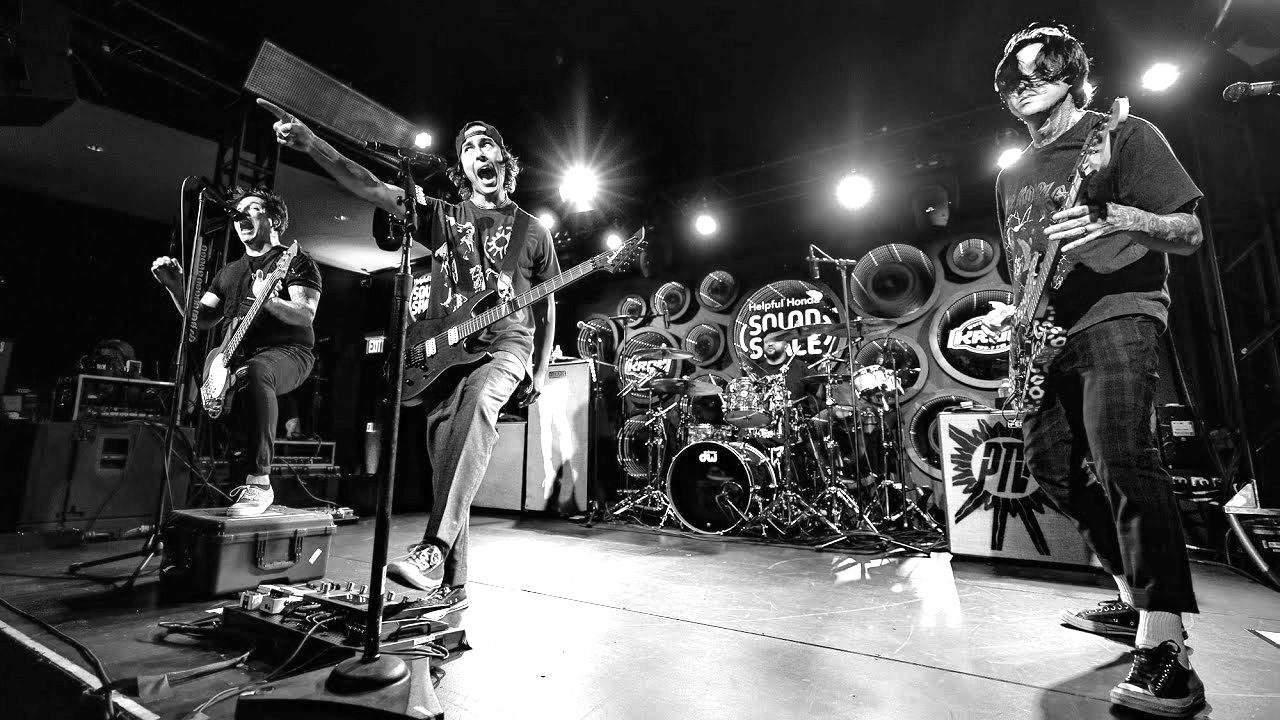
Post Hardcore
Post-hardcore blends the aggression of hardcore punk with elements of alternative rock and emo, creating a complex and often emotionally charged sound. Characterized by its unpredictable song structures, screamed vocals often layered with clean singing, and experimental instrumentation, it emerged in the 1980s as a reaction against the perceived limitations of hardcore punk. Notable for its influence on numerous subsequent genres, including emo, metalcore, and screamo, post-hardcore continues to evolve and inspire new artists.

Death Metal
Death metal is an extreme subgenre of heavy metal music characterized by aggressive vocals, fast tempos, and downtuned guitars. Its lyrical themes often explore violence, death, horror, and the occult, creating a dark and intense sonic landscape. Notable bands include Death, Obituary, and Cannibal Corpse, showcasing the genre's diverse yet brutal sound.
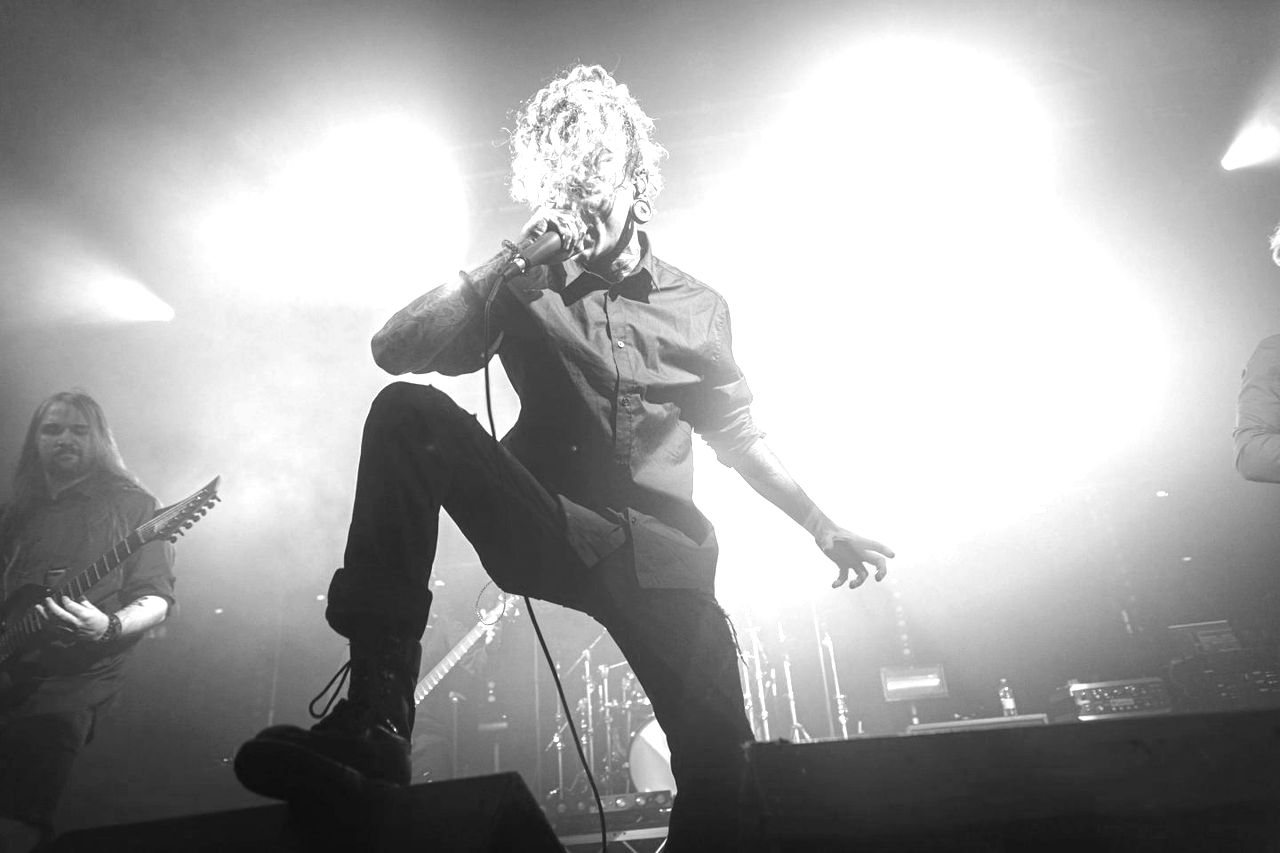
Deathcore
Deathcore fuses the brutality of death metal with the breakdowns and breakdowns of hardcore punk. Expect guttural vocals, blast beats, heavily distorted guitars, and intensely aggressive song structures. It's a subgenre known for its technical proficiency and often theatrical, violent lyrical themes.
Emo
Emo, born from hardcore punk and indie rock in the 1980s, is characterized by emotionally expressive lyrics often dealing with themes of angst, alienation, and personal struggles. Musically, it blends melodic vocals with powerful instrumentation, frequently incorporating elements of pop punk and alternative rock. The genre's emotional depth and relatable themes have resonated with generations of listeners, resulting in a diverse and enduring musical legacy.
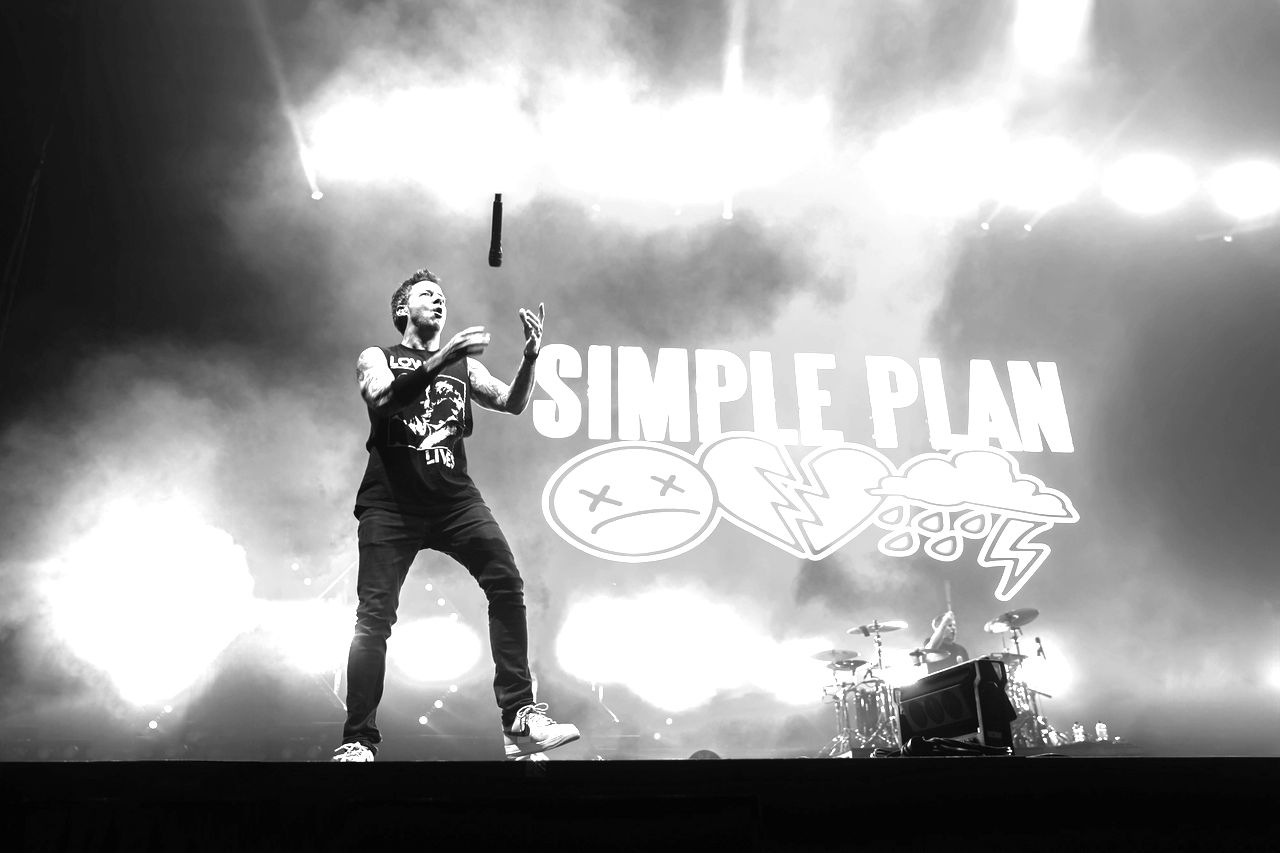
Pop Punk
Pop punk fuses the catchy melodies and relatable lyrics of pop music with the raw energy and aggressive instrumentation of punk rock. Characterized by fast tempos, power chords, and often angst-ridden vocals, it's a genre that appeals to a wide audience, particularly teenagers and young adults. Think upbeat, rebellious anthems about heartbreak, friendships, and growing up.

Classic Rock
Classic rock, spanning roughly the 1960s to the mid-1970s, encompasses iconic rock and roll bands and their influential music. Characterized by powerful vocals, memorable guitar riffs, and often socially conscious lyrics, this genre remains incredibly popular. From stadium anthems to introspective ballads, classic rock's diverse sounds continue to resonate with listeners across generations.
Blues Rock
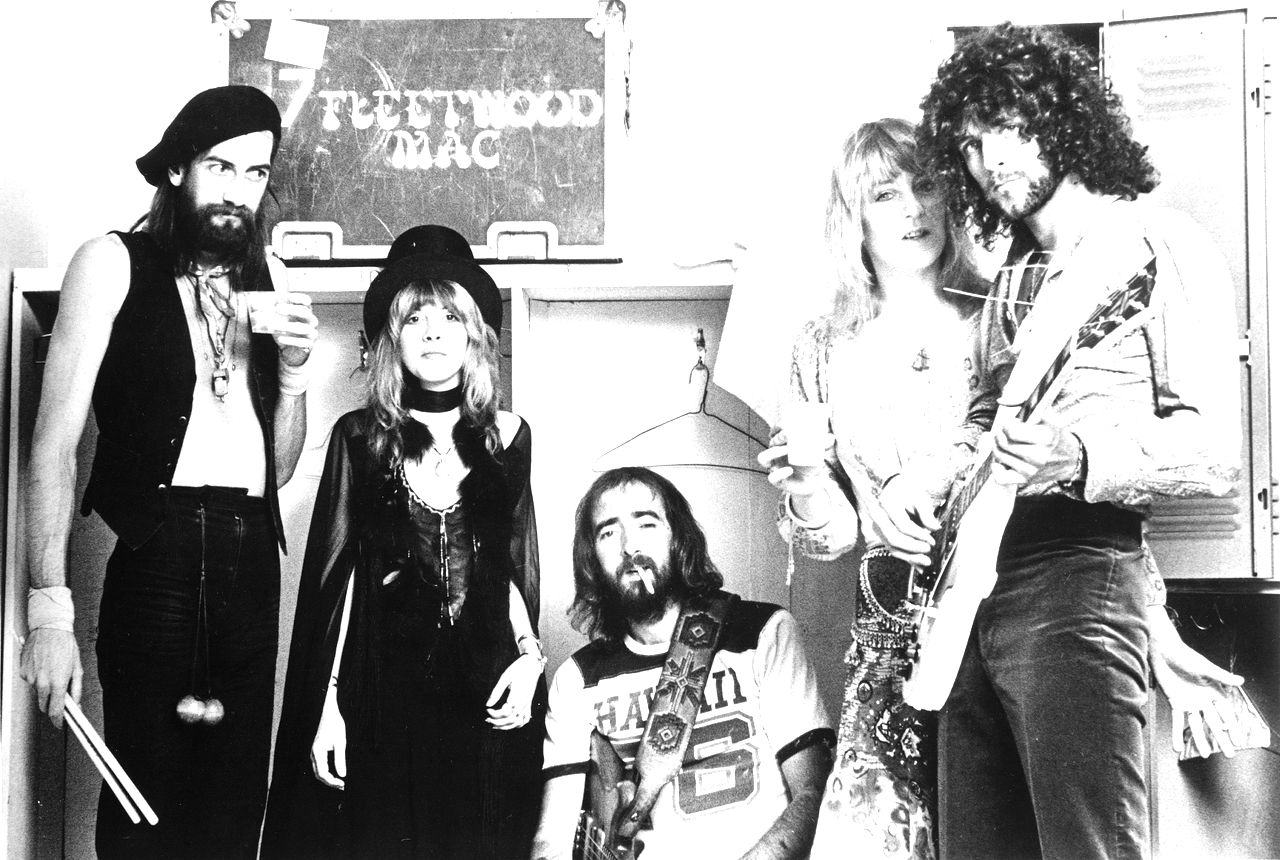
Blues rock fuses the soulful emotion of blues music with the raw energy of rock and roll. This hybrid genre emphasizes powerful guitar riffs, often incorporating blues scales and bends, alongside a driving rhythm section. The result is a sound that's both gritty and expressive, appealing to fans of both blues and rock.
Melodic metalcore
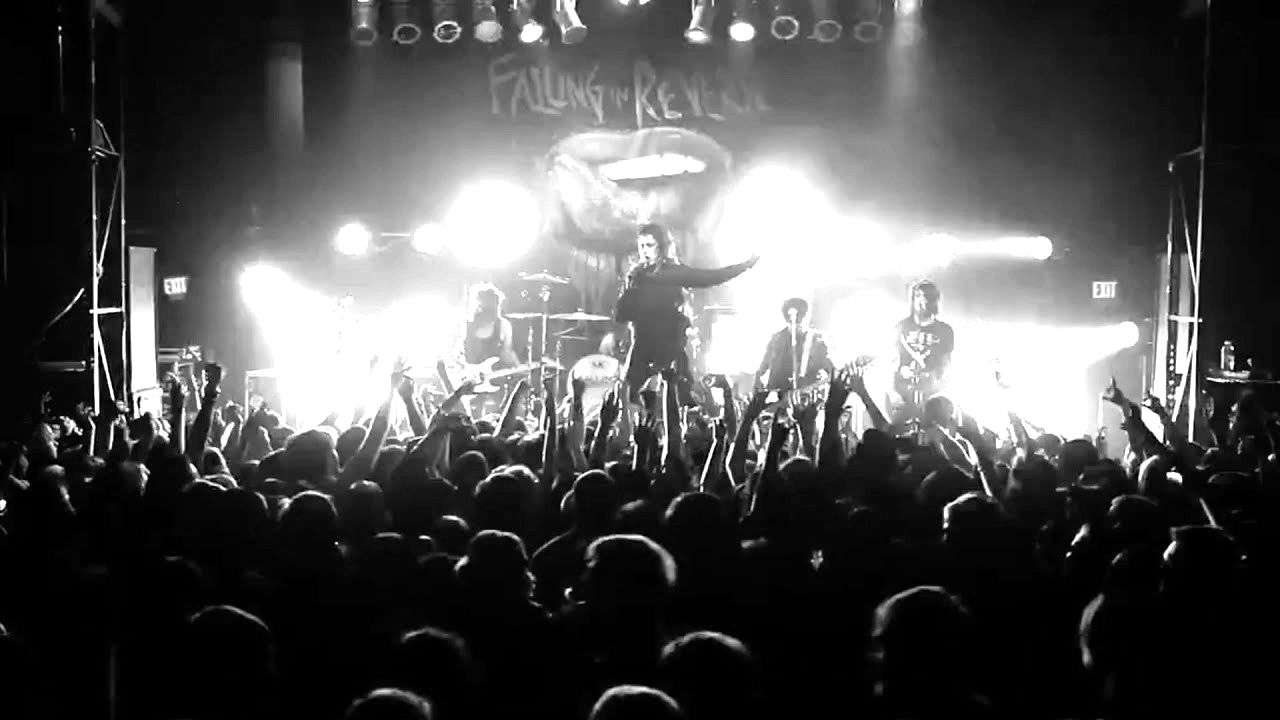
Melodic metalcore blends the aggression of metalcore with catchy, melodic vocals and memorable hooks. Heavier elements like breakdowns and distorted guitars remain, but are balanced by cleaner singing and often more complex song structures. The result is a dynamic and accessible sound that appeals to both metal and pop sensibilities.
Progressive Rock
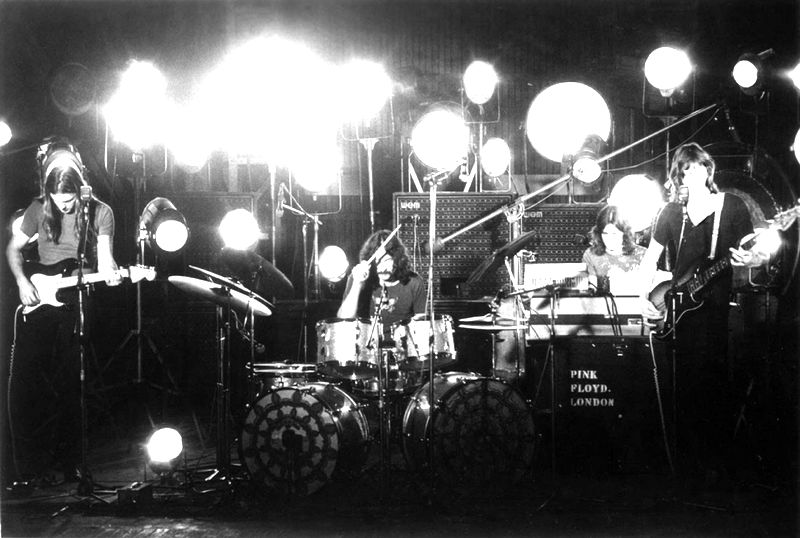
Progressive rock, emerging in the late 1960s, fused rock instrumentation with classical and jazz influences, creating complex compositions often exceeding conventional song structures. Lyrical themes frequently explored philosophical, social, and political issues, reflecting a generation's intellectual and artistic curiosity. Characterized by extended instrumental passages, intricate arrangements, and conceptual albums, progressive rock pushed the boundaries of popular music.
Electronic
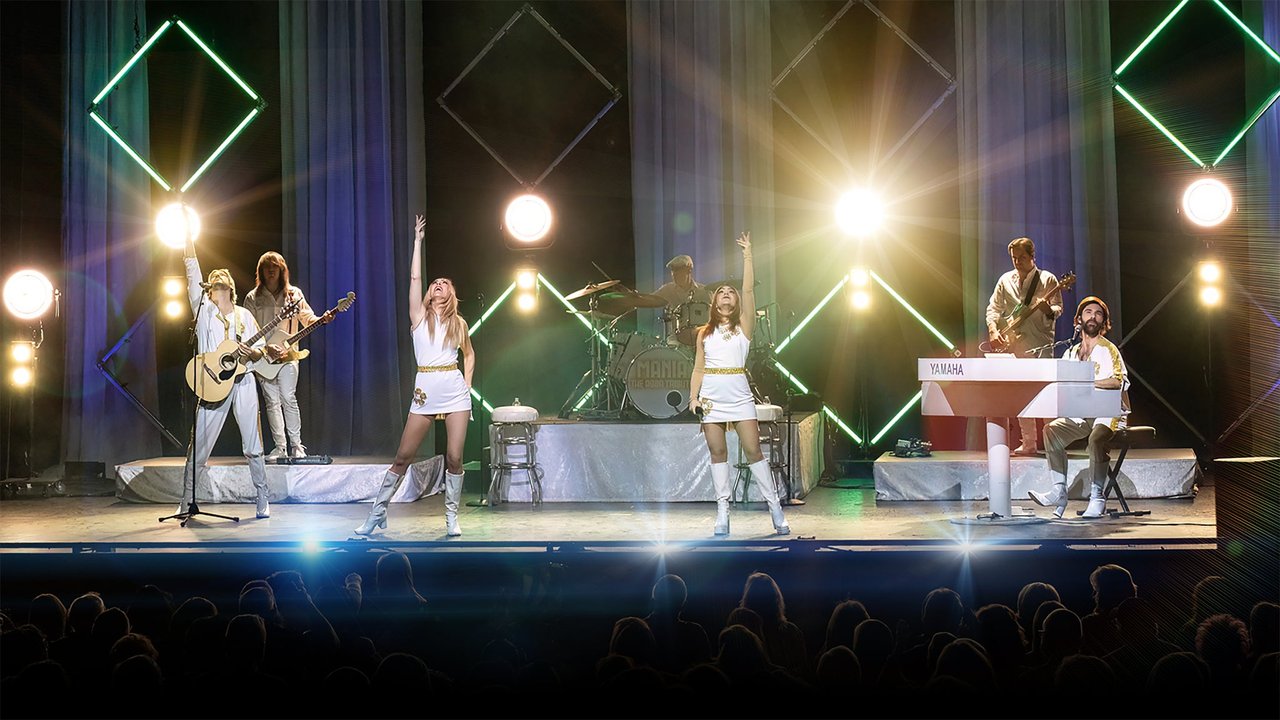
Electronic music encompasses a vast range of styles characterized by the use of electronic instruments and digital audio workstations. From the pulsating rhythms of techno to the atmospheric textures of ambient, electronic music offers diverse soundscapes and experiences. Its evolution reflects technological advancements and continues to push creative boundaries within the music industry.
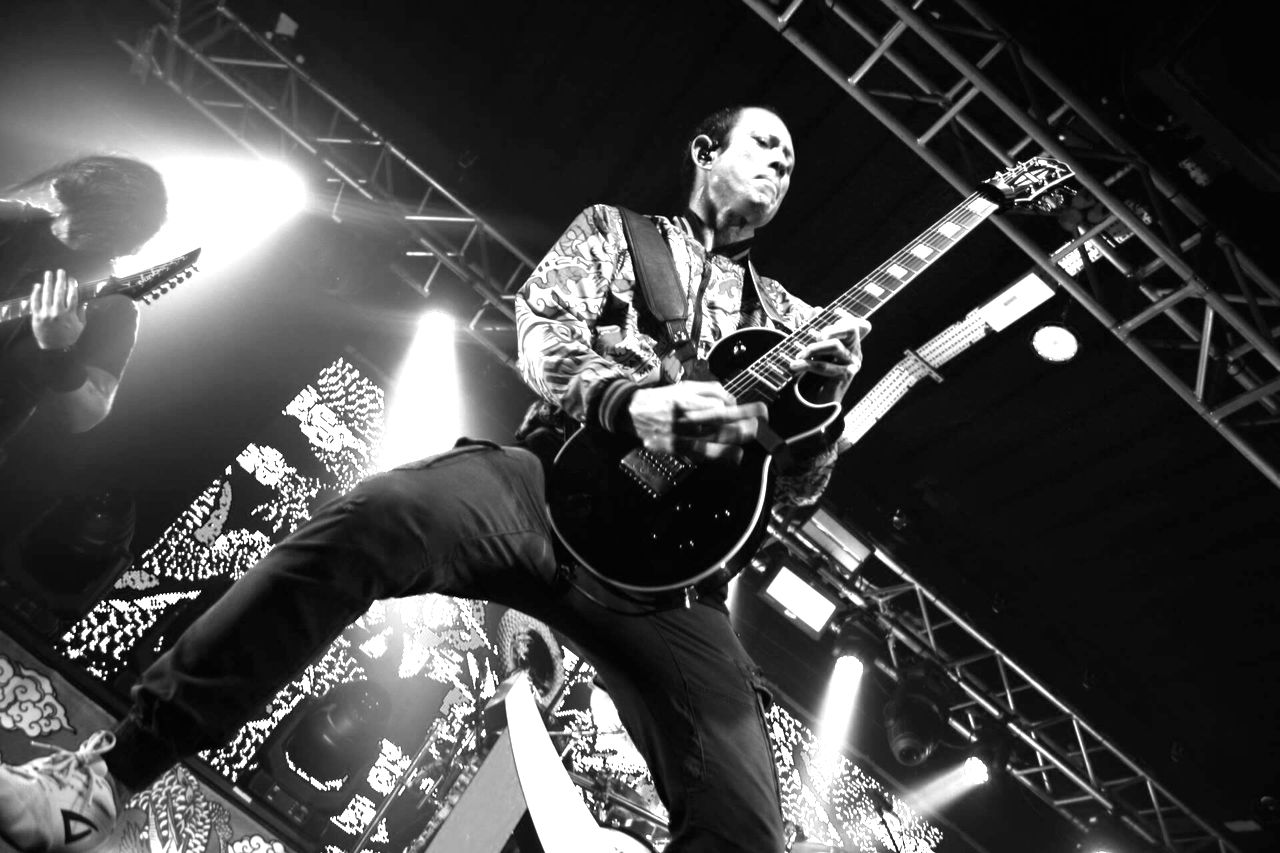
Thrash Metal
Explore the best Thrash Metal bands and artists.
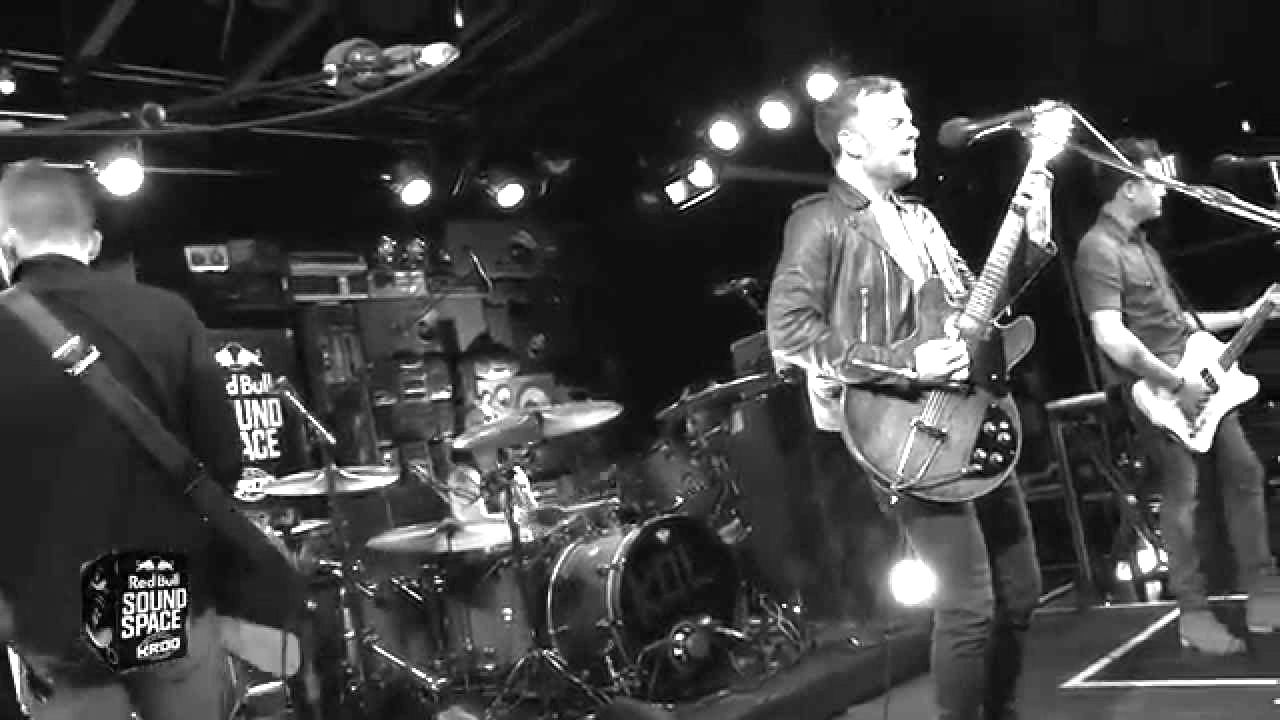
Garage Rock
Garage rock, born in the mid-1960s, is a raw and energetic rock and roll subgenre characterized by its minimalist production and amateurish feel. Its rebellious spirit and simple, catchy song structures often featured distorted guitars, pounding drums, and shouted vocals. Influential artists like The Sonics and The Kinks helped define the genre's primal sound, which continues to influence musicians today.
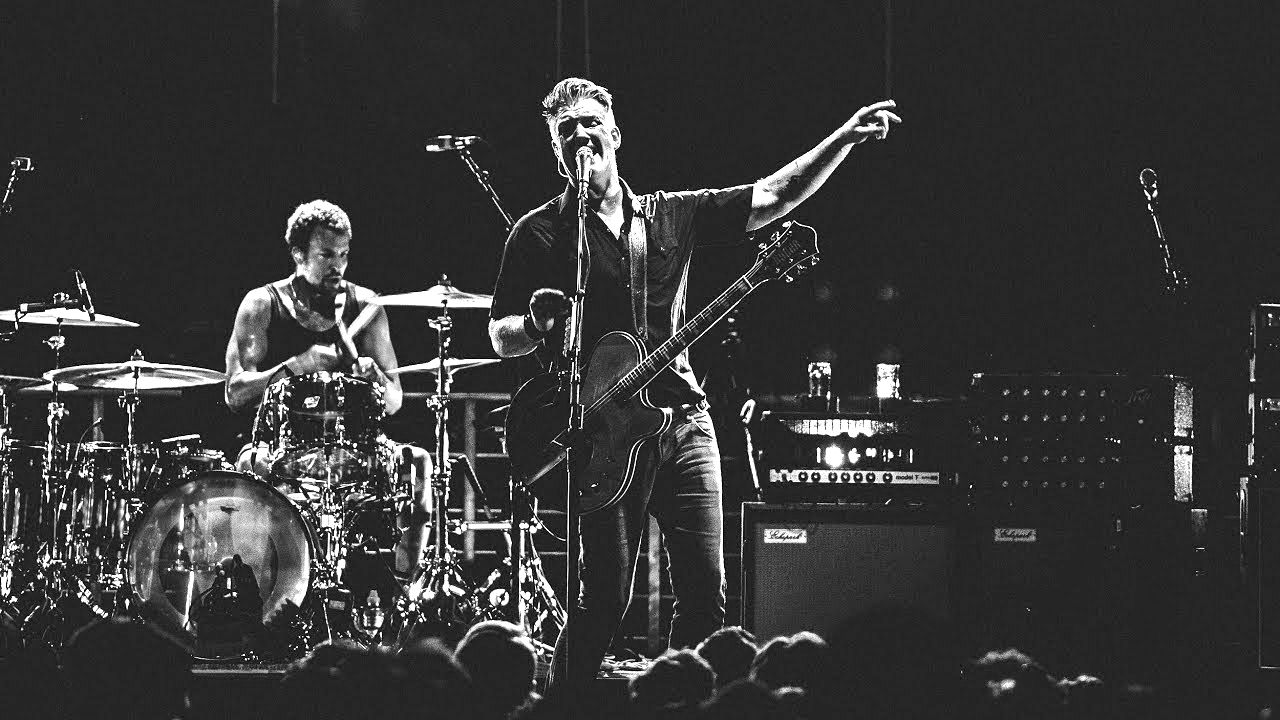
Art Rock
Art rock blends experimental and avant-garde elements with rock music's core structures. It often prioritizes artistic expression and innovation over commercial appeal, showcasing complex arrangements and unconventional song structures. Think sophisticated musicianship, lyrical depth, and a rejection of mainstream rock conventions.

Industrial Metal
Industrial metal fuses the aggression of heavy metal with the abrasive soundscapes of industrial music. Expect distorted guitars, pounding rhythms, and often incorporates samples of machinery and noise. The result is a dark, intense, and often experimental sonic landscape.
Melodic hardcore
Melodic hardcore blends the aggression of hardcore punk with catchy, melodic vocals and often complex song structures. It features intense instrumental sections alongside memorable choruses that are both powerful and emotionally resonant. This subgenre appeals to fans of both the raw energy of punk and the emotional depth of emo.
Psychedelic Rock
Psychedelic rock, emerging in the 1960s, distorted traditional rock structures with experimental sounds and extended jams, often incorporating Eastern influences and surreal lyrics. Its aim was to evoke altered states of consciousness through music, creating a sonic tapestry of swirling guitars, hypnotic rhythms, and mind-bending effects. Key bands include Jimi Hendrix Experience, Pink Floyd, and Jefferson Airplane, whose music continues to influence artists today.

Funk Rock
Funk rock fuses the infectious grooves of funk with the energy and raw power of rock music. Think heavy riffs, tight rhythms, and soulful vocals, often incorporating horn sections for a dynamic sound. The result is a high-energy, danceable genre with a powerful, often socially conscious, message.
Pop
Pop music is characterized by catchy melodies, relatable lyrics, and a focus on commercial appeal. Its sound is constantly evolving, incorporating influences from various genres to maintain its relevance. From upbeat dance tracks to heartfelt ballads, pop music offers a diverse range of styles appealing to a broad audience.
Folk Rock
Folk rock blends the acoustic instrumentation and storytelling traditions of folk music with the electric energy and amplified sound of rock and roll. This genre often features strong melodies, introspective lyrics, and a blend of both organic and amplified sounds. Think Bob Dylan's harmonica alongside a driving electric guitar riff – that's the essence of folk rock.

Acoustic Rock
Acoustic rock blends the intimacy of acoustic instruments with the energy and spirit of rock music. Think stripped-down arrangements, raw vocals, and emotionally resonant lyrics, often focusing on storytelling. It offers a more intimate and reflective take on classic rock sounds, showcasing the power of simplicity.
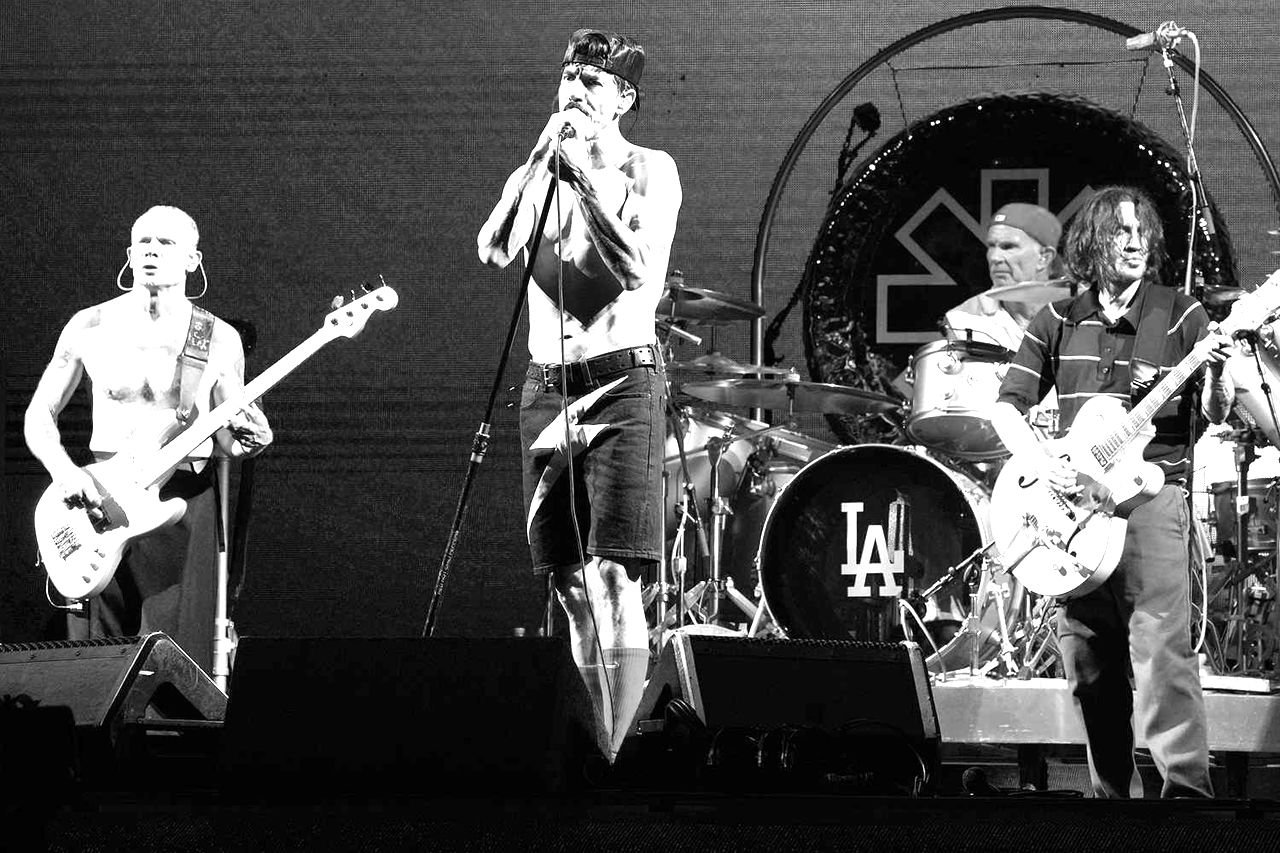
Rap Rock
Rap rock fuses the rhythmic delivery of rap with the energy and instrumentation of rock music. This genre often features aggressive guitar riffs, driving drum beats, and catchy, chanted lyrics. Notable artists include Rage Against the Machine, Linkin Park, and Run-DMC.
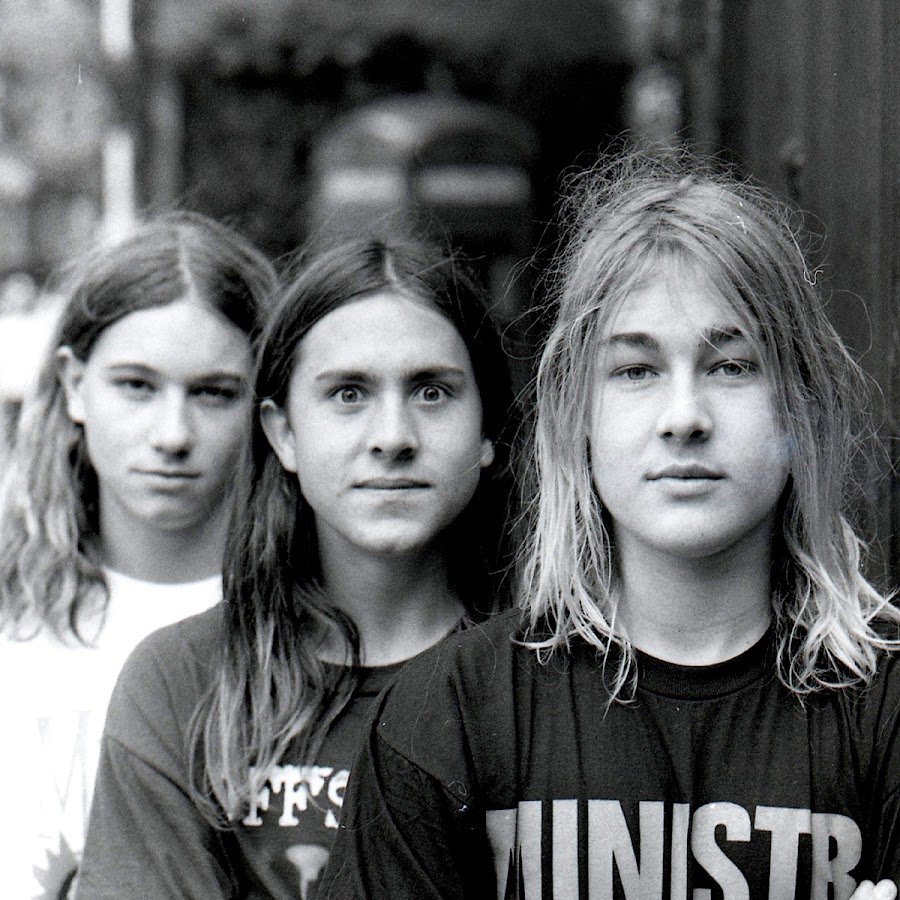
Grunge
Explore the best Grunge bands and artists.
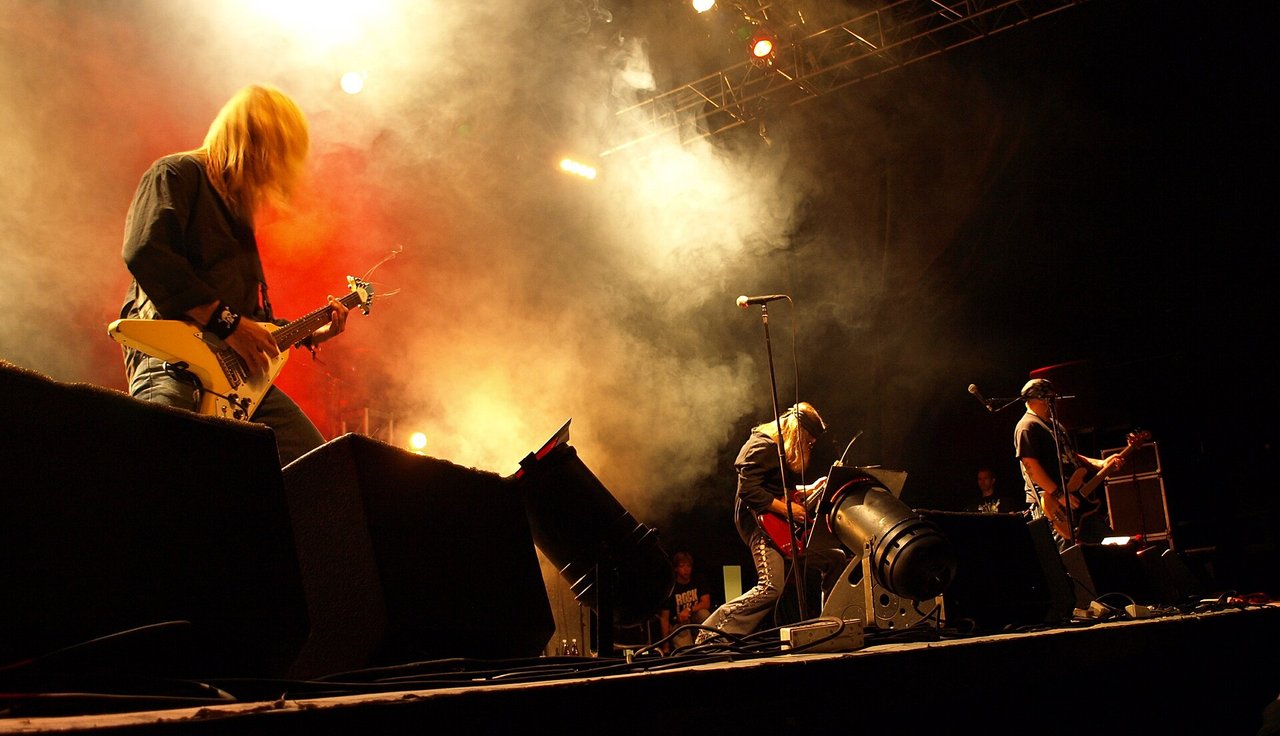
Doom Metal
Explore the best Doom Metal bands and artists.

Black Metal
Black metal is an extreme subgenre of heavy metal music characterized by its aggressive, fast tempos, distorted guitars, and often harsh, high-pitched vocals. Lyrical themes frequently explore darkness, Satanism, nature, paganism, and anti-Christianity, though lyrical content varies widely. The genre's raw, lo-fi production in its early days contrasted sharply with the polished sound of later subgenres.
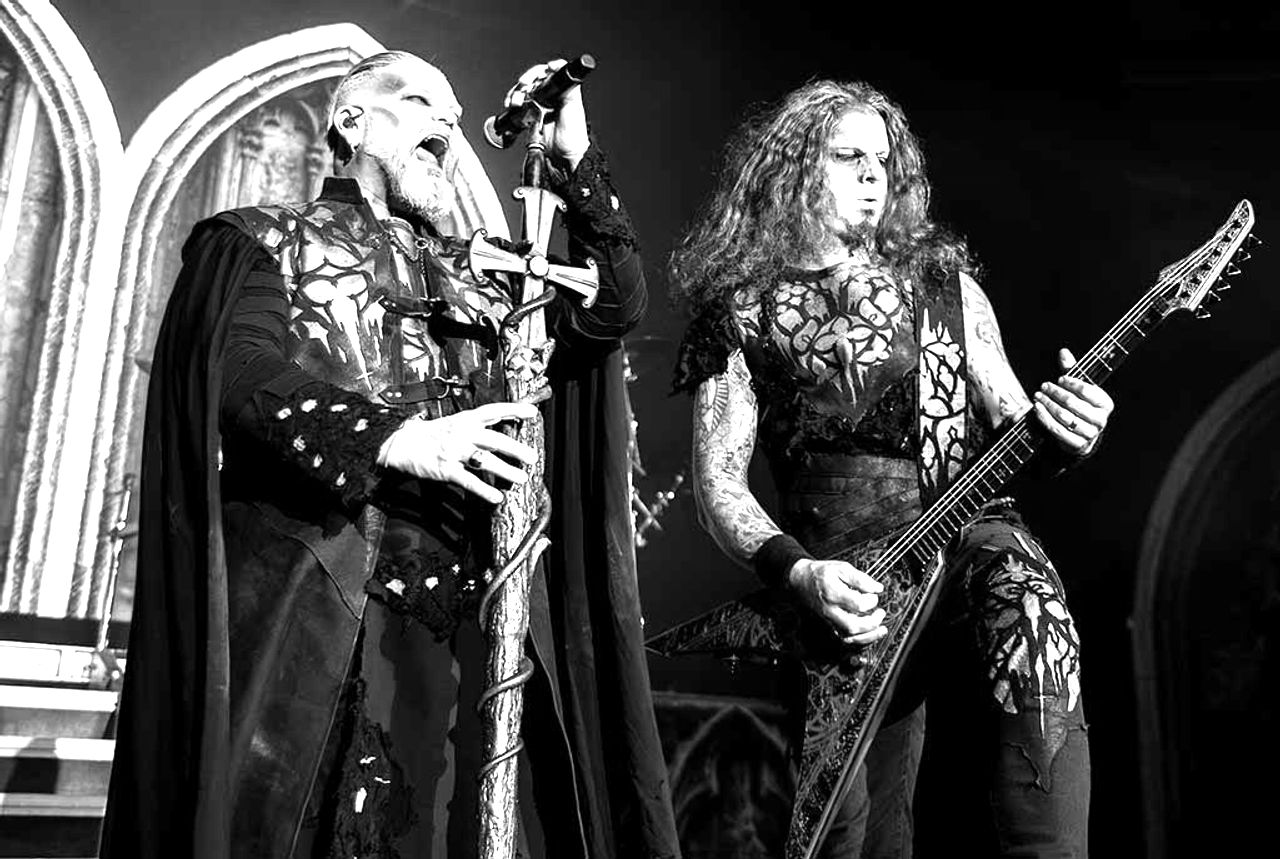
Power Metal
Explore the best Power Metal bands and artists.
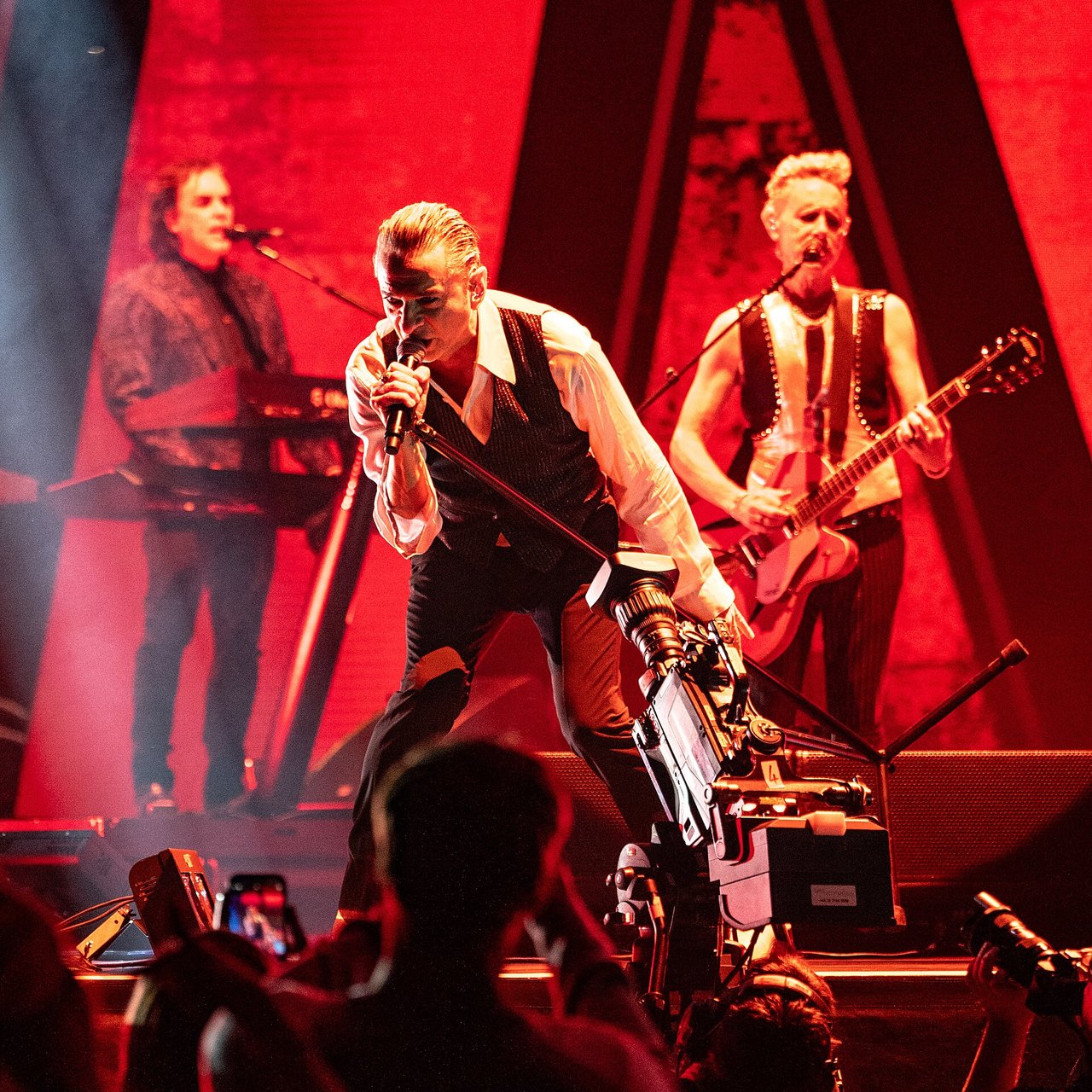
Post Punk
Post-punk, emerging from the ashes of punk rock in the late 1970s, experimented with darker, more atmospheric soundscapes and complex song structures. Bands often incorporated elements of art rock, funk, and experimental music, rejecting the simplicity of their predecessors. The result was a diverse and influential genre that continues to inspire musicians today.

Indie Pop
Indie pop blends catchy melodies and upbeat tempos with introspective lyrics, often featuring DIY aesthetics and independent artist spirit. Its sound is characterized by jangly guitars, prominent basslines, and layered vocals, creating a bright yet wistful atmosphere. From its origins in the underground, indie pop has evolved into a diverse and influential genre, encompassing numerous subgenres and inspiring countless artists.

Groove Metal
Explore the best Groove Metal bands and artists.
Glam Metal
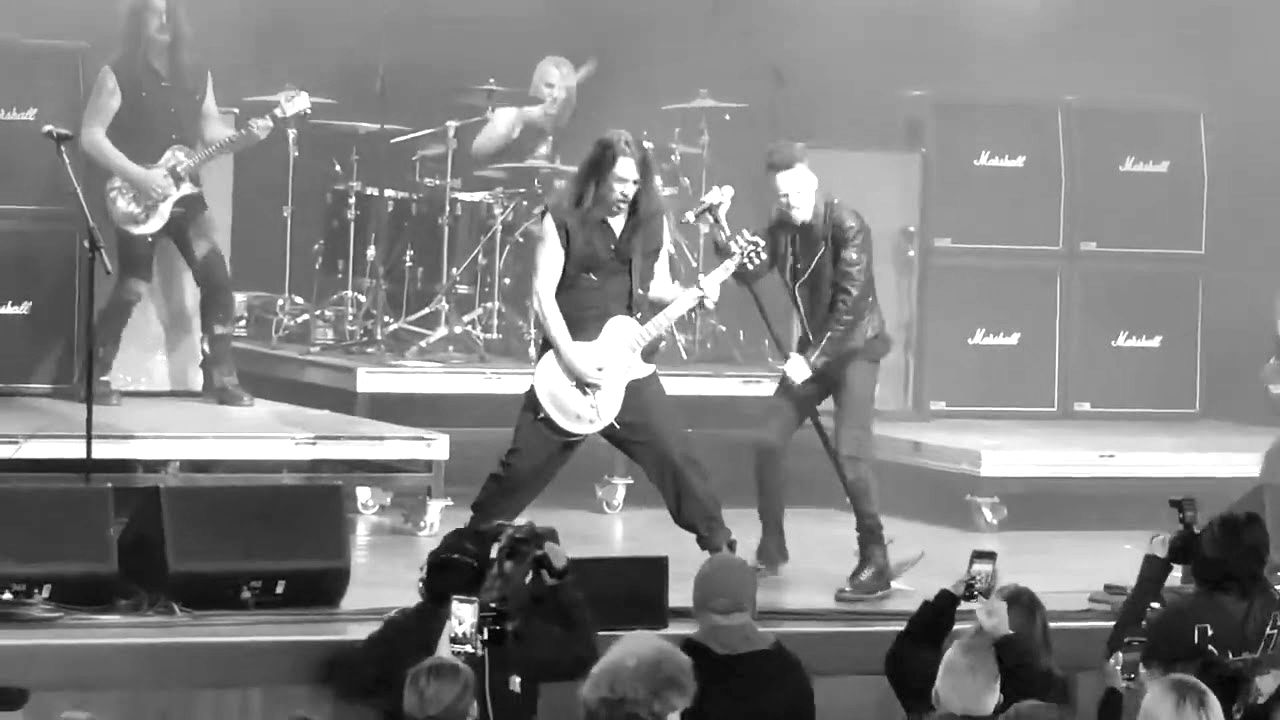
Explore the best Glam Metal bands and artists.

Math Rock
Math rock blends intricate, unconventional time signatures and rhythmic structures with post-hardcore's energy and angular melodies. Its compositions often feature sudden shifts in tempo and dynamics, creating a complex yet engaging listening experience. Think meticulously crafted dissonance layered over driving rhythms, resulting in a sound both challenging and strangely catchy.
Electronicore
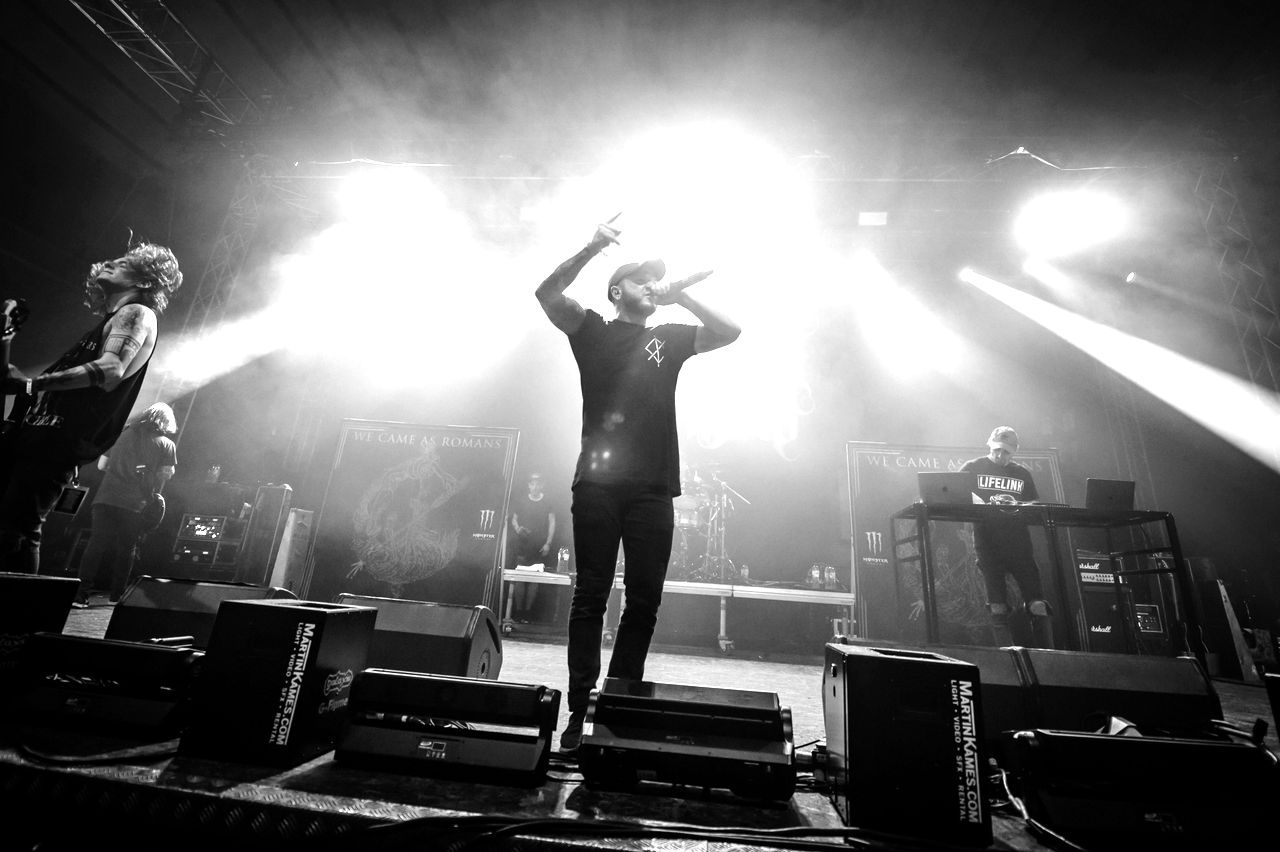
Electronicore fuses the aggression of metalcore with the synthesized soundscapes of electronic music. Driving rhythms and distorted guitars are layered with heavy electronic elements like synths, samples, and programmed beats. The result is a high-energy, often chaotic, and intensely rhythmic sound.
Post Rock
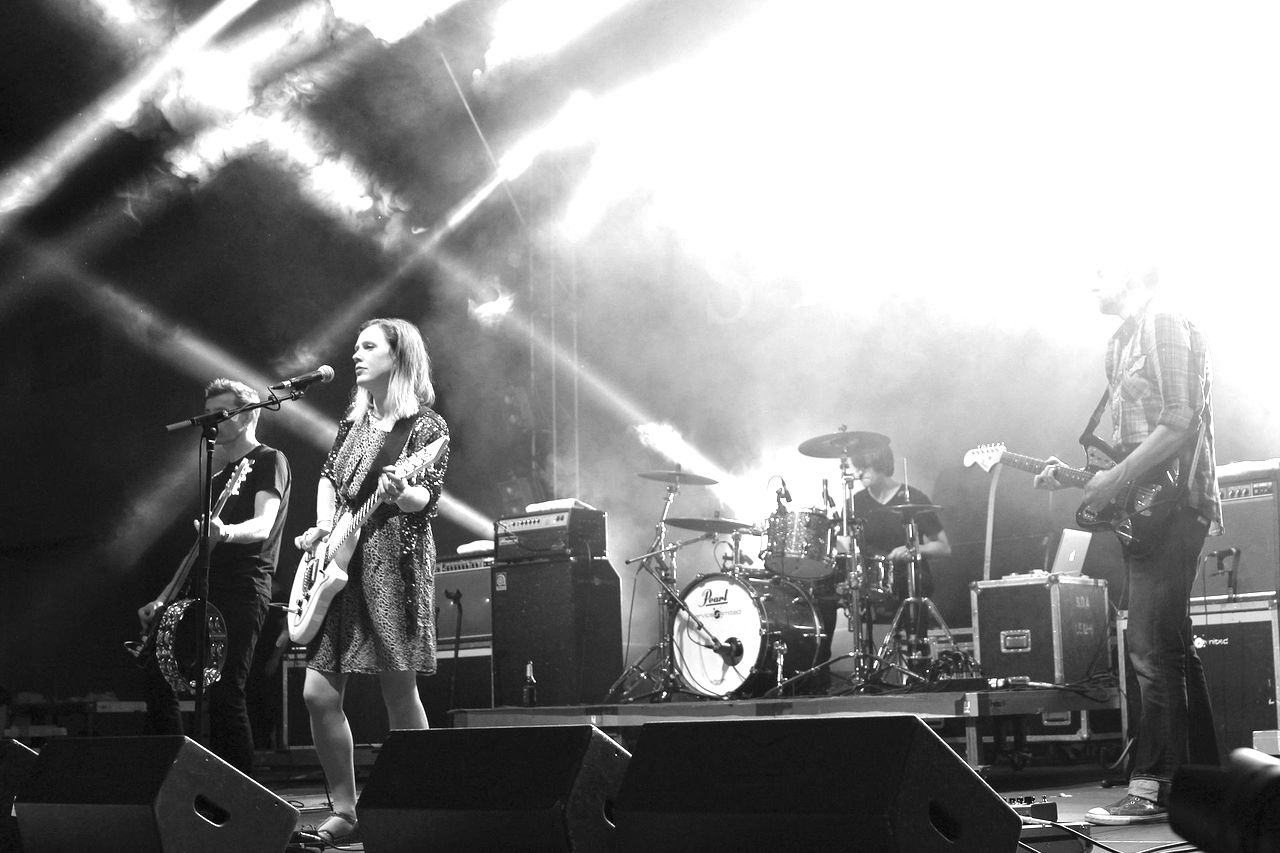
Post-rock transcends traditional song structures, prioritizing atmospheric soundscapes and instrumental textures over conventional melodies. Influenced by genres like post-punk, krautrock, and experimental rock, it often features extended instrumental passages and dynamic shifts in intensity. The result is a genre characterized by its emotive power and sonic exploration, creating a deeply immersive listening experience.
Folk Metal
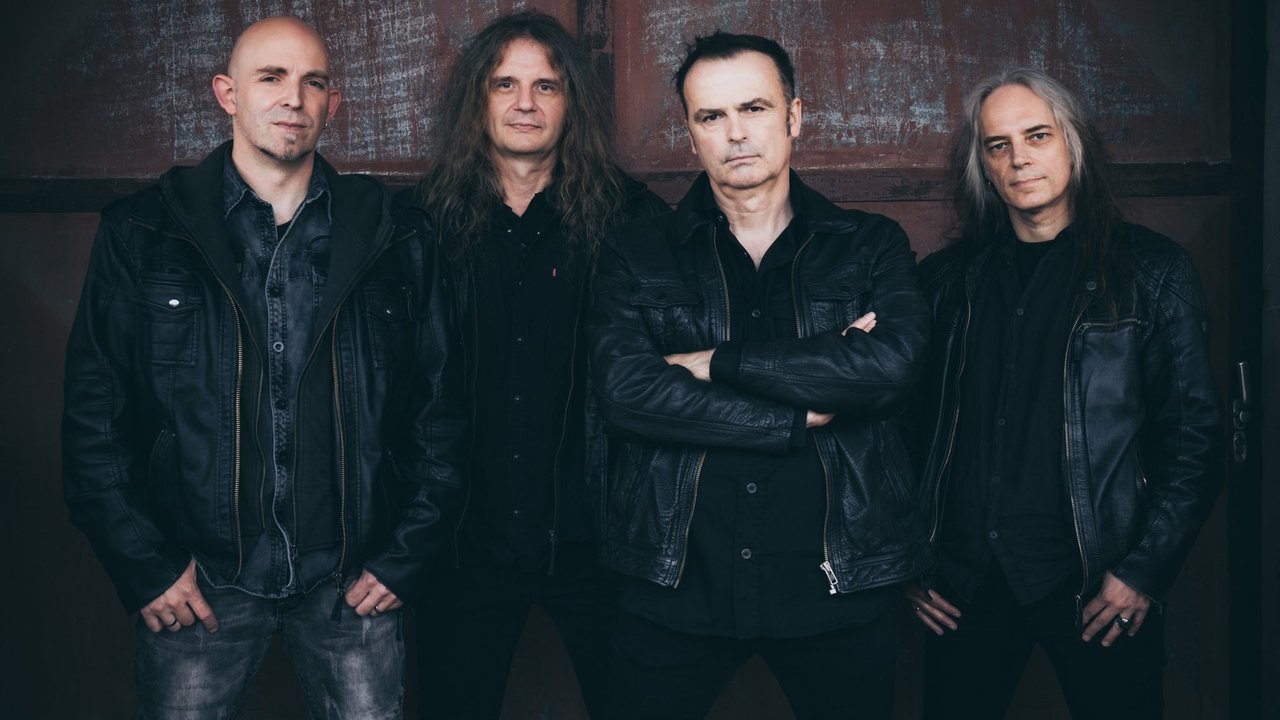
Explore the best Folk Metal bands and artists.
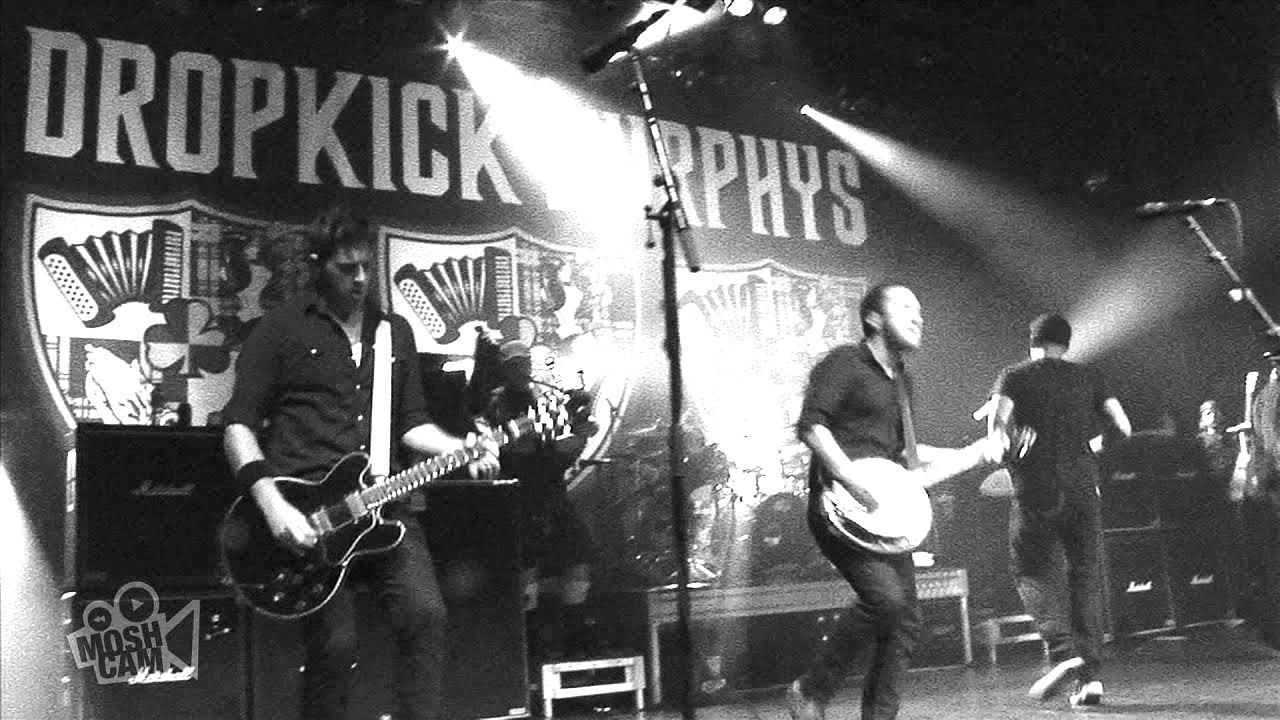
Celtic Punk
Celtic punk fuses the raw energy of punk rock with the traditional instrumentation and melodies of Celtic folk music. Expect driving rhythms, upbeat tempos, and often politically charged lyrics, delivered with a spirited, rebellious attitude. The result is a unique blend that celebrates both musical heritage and defiant spirit.

Comedy rock
Comedy rock blends the energy of rock music with humorous lyrics and often-over-the-top performances. Think witty wordplay, satirical social commentary, and silly stage antics all set to a driving rock beat. It's music that aims to make you laugh as much as it makes you headbang.
Dark Wave
Dark wave blends the brooding atmosphere of gothic rock with the driving rhythms of post-punk. Its sound is characterized by haunting melodies, often featuring synthesized instrumentation and introspective, sometimes melancholic lyrics. Think icy synths, echoing vocals, and a pervasive sense of mystery and unease.
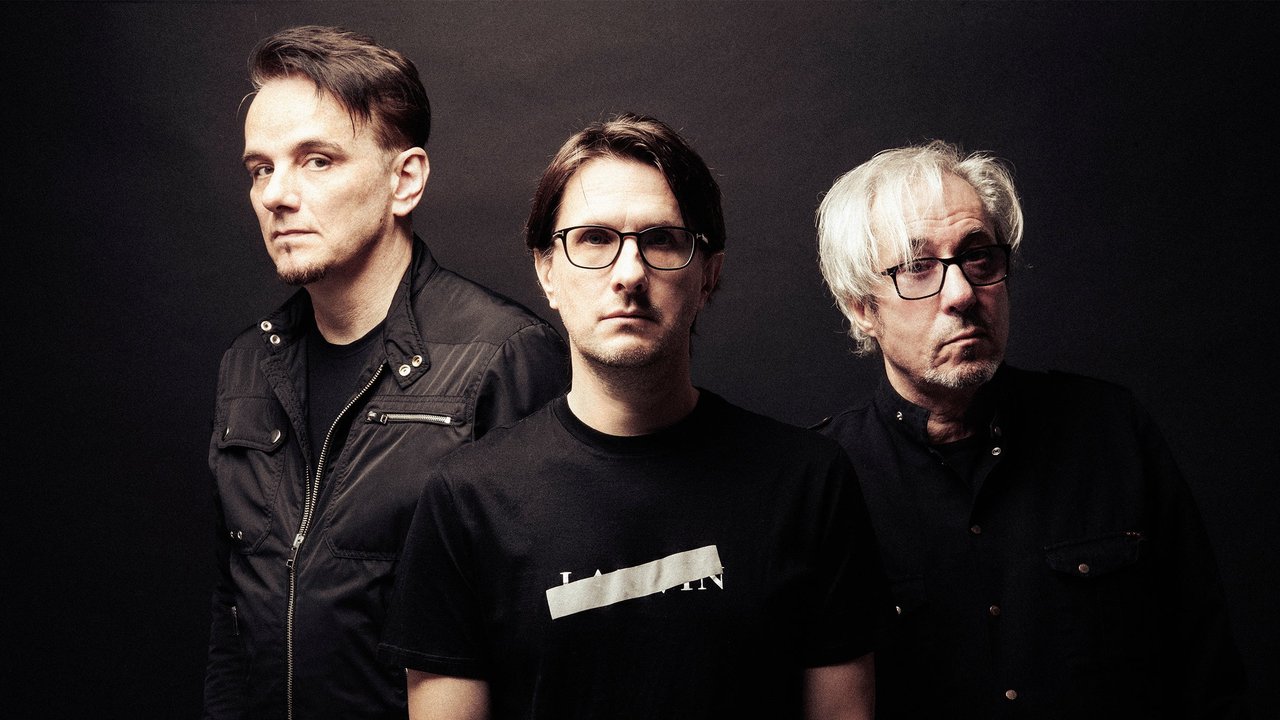
Progressive Metal
Explore the best Progressive Metal bands and artists.
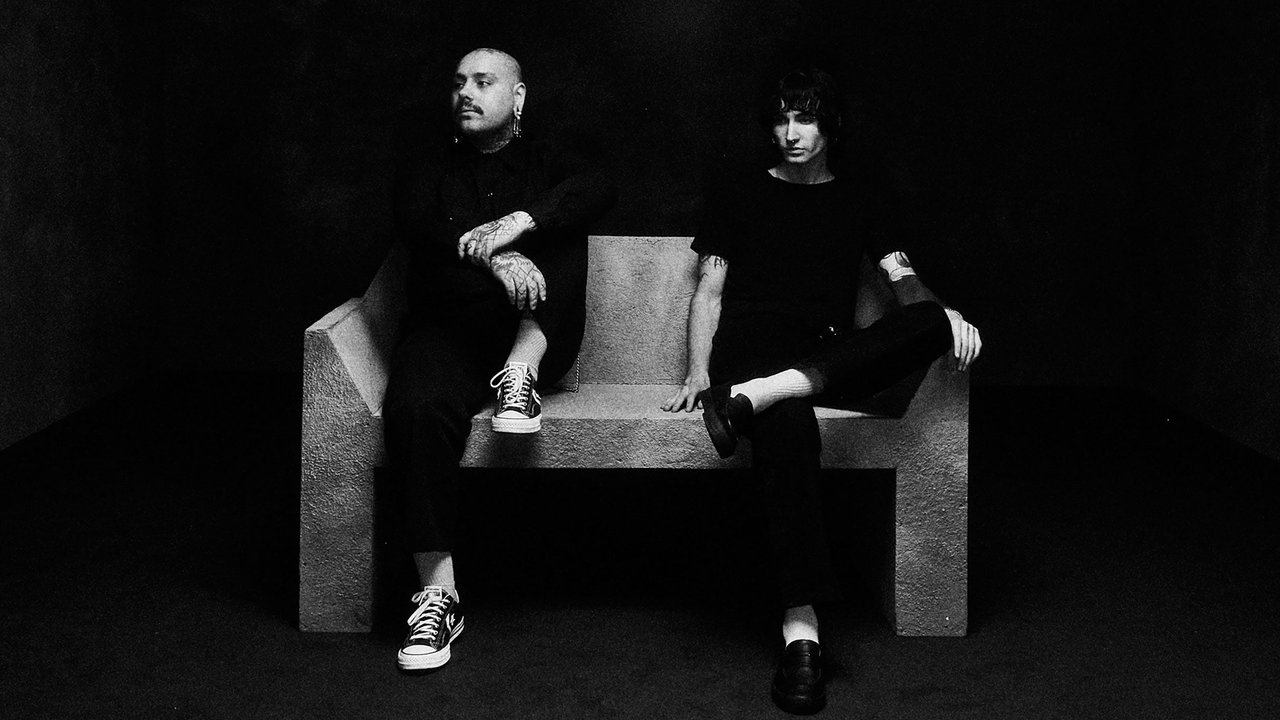
Shoegaze
Explore the best Shoegaze bands and artists.
Folk Punk
Folk punk blends the raw, acoustic instrumentation of folk music with the rebellious spirit and often politically charged lyrics of punk rock. Its sound is characterized by a DIY ethos, frequently featuring lo-fi recordings and emotionally charged storytelling. This genre often explores themes of social injustice, working-class struggles, and personal hardship with a distinctly raw and unpolished aesthetic.
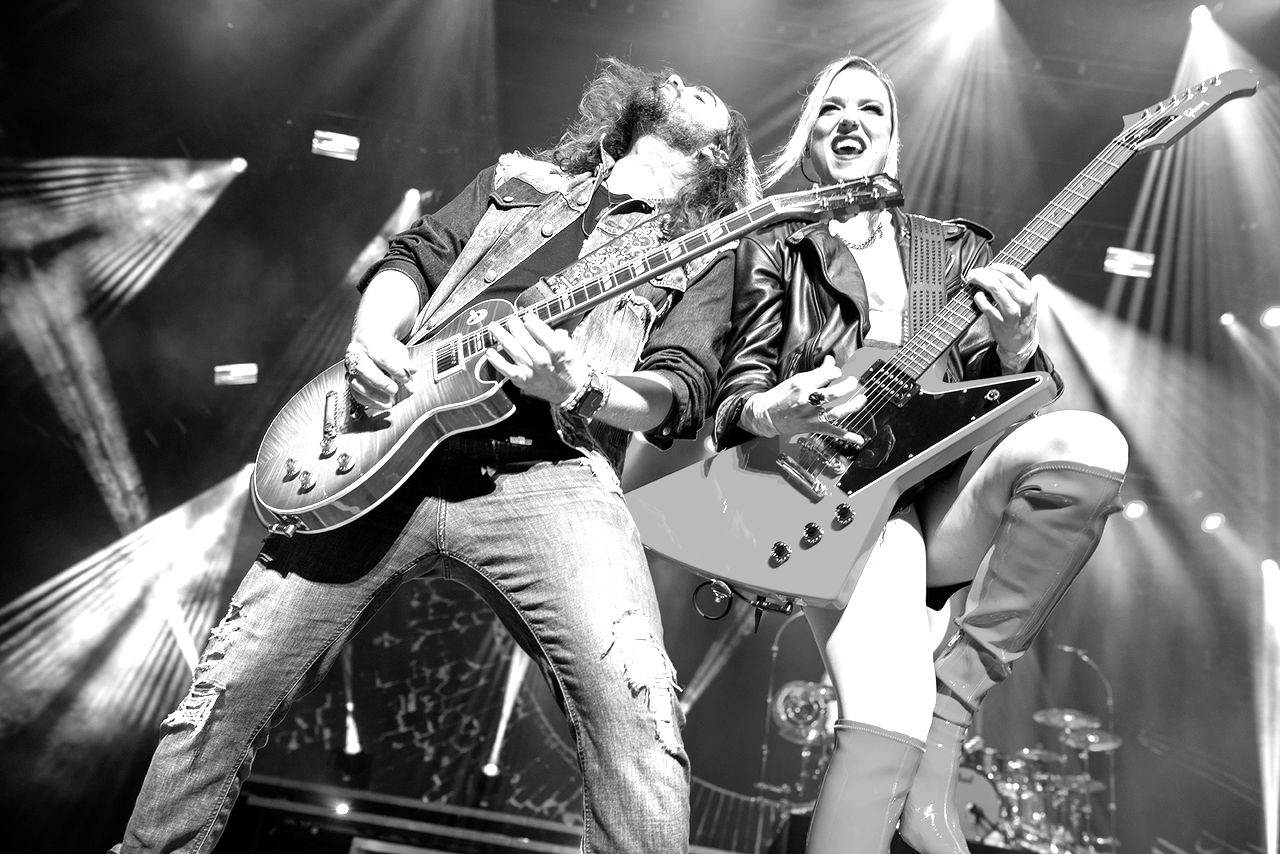
Country Rock
Country rock blends the twangy instrumentation and storytelling of country music with the energy and electric guitar riffs of rock and roll. This fusion creates a sound that's both rebellious and heartfelt, often featuring driving rhythms and catchy melodies. Artists like The Byrds, Creedence Clearwater Revival, and The Eagles helped pioneer this genre, influencing countless musicians since.
Slacker Rock
Explore the best Slacker Rock bands and artists.
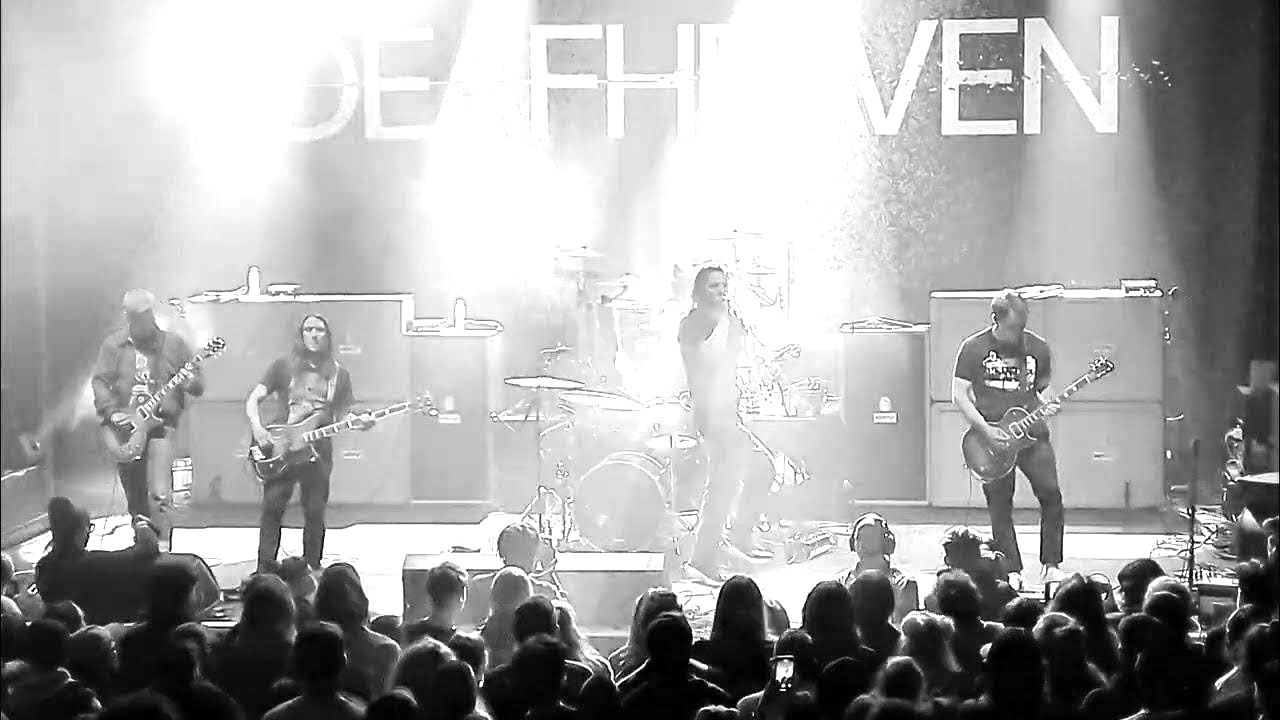
Blackgaze
Blackgaze fuses the emotional intensity of black metal with the ethereal beauty of shoegaze. Expect soaring, heavily distorted guitars alongside melancholic melodies and whispered vocals. This genre creates a captivating soundscape of darkness and dreaminess, often exploring themes of depression, isolation, and nature.

Hunnu Rock
Explore the best Hunnu Rock bands and artists.
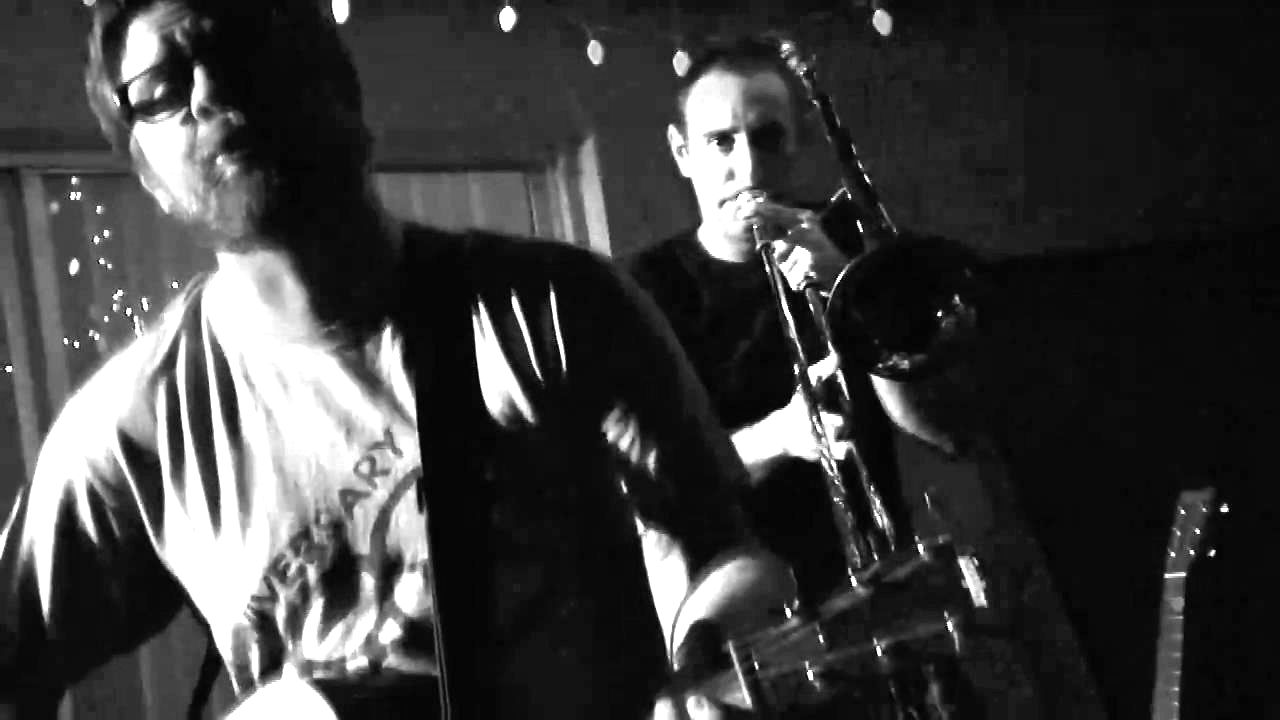
Acoustic
Acoustic music prioritizes natural, unamplified instrumentation, creating a raw and intimate sound. Common instruments include guitars, pianos, and vocals, often showcasing intricate melodies and heartfelt lyrics. This genre spans a wide range of styles, from folk and blues to pop and singer-songwriter.

Epic Doom Metal
Explore the best Epic Doom Metal bands and artists.
Technical Death Metal
Explore the best Technical Death Metal bands and artists.