
Megadeth's Top 10: Definitive Songs That Shaped Thrash Metal
Listen on Spotify
A passionate deep-dive into Megadeth's most essential songs, tracing the band's impact on thrash metal and modern heavy music. This list highlights the tracks that defined Dave Mustaine's songwriting, the band's technical prowess, and their lasting cultural influence.
The Top 3
Holy Wars... The Punishment Due
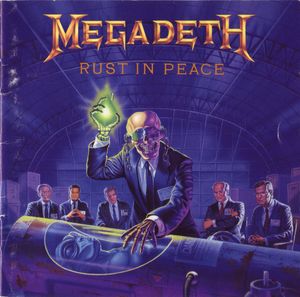
Rust in Peace · 1990Holy Wars... The Punishment Due is often cited as Megadeth’s magnum opus — an ambitious, multi-part composition that fuses blistering thrash with nuanced storytelling. Released on Rust in Peace (1990), the song was inspired in part by political turmoil and the band’s experiences playing shows in locations affected by conflict. Its two distinct sections — the politically charged "Holy Wars" intro and the heavy, comic-book-style "The Punishment Due" — display both Mustaine’s lyrical intensity and the band’s compositional ambition. Significance: This track represents Megadeth at their most creative and formidable: technically intricate, emotionally potent, and intellectually provocative. Holy Wars has been hailed by critics and fans alike and remains a centerpiece of the Rust in Peace era. As a live staple and a touchstone for thrash metal excellence, it’s easy to see why Holy Wars tops this list: it encapsulates Megadeth’s technical skill, political bite, and ability to craft enduring metal epics.
Countdown to Extinction
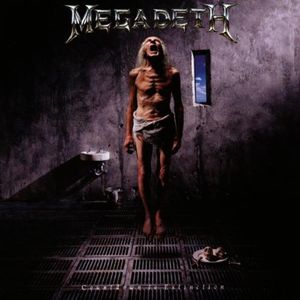
Countdown to Extinction · 1992The title track Countdown to Extinction is both a rallying cry and a statement of the band’s matured songwriting. Released on the commercially successful Countdown to Extinction (1992), the song blends melodic hooks with socially conscious lyrics about environmentalism and human impact. It exemplifies Megadeth’s evolution toward more structured, impactful songs without losing lyrical sharpness. Significance: As the centerpiece of one of Megadeth’s best-selling albums, Countdown to Extinction helped the band reach new commercial heights. The album’s polished production and focused songwriting made tracks like the title song staples on rock radio and critical roundups. For fans and newcomers, this song represents how Megadeth balanced message-driven themes with memorable metal songwriting.
Symphony of Destruction
Countdown to Extinction · 1992Symphony of Destruction is Megadeth’s crossover monster — a heavy, hook-laden anthem that propelled the band deeper into mainstream rock radio. Released on Countdown to Extinction (1992), the song’s grinding riff and chilling chorus delivered a perfect mix of commercial accessibility and metallic menace. Its lyrics — an allegory about the manipulation of power and the spectacle of politics — resonated widely. Significance: This track became one of Megadeth’s most-played songs globally and is often the first tune non-metal fans recognize. Symphony of Destruction was pivotal in expanding Megadeth’s audience in the early ’90s and remains a go-to track for playlists about political metal, heavy riffs, and the band’s most radio-friendly era. Its presence in video games and cover versions has kept it relevant to new generations.
Honorable Mentions
Hangar 18
Hangar 18 is a Rust in Peace highlight and a signature Megadeth song thanks to its intricate twin-guitar arrangements and theme of conspiracy and government secrets. Released in 1990, the track’s rapid-fire riffing and alternating lead passages showcase the razor-sharp interplay between Mustaine and Marty Friedman. The song’s subject matter — alleged secret research and UFO lore centered around a government hangar — captured fans’ imaginations and fed into the song’s mystique. Significance: Hangar 18 became synonymous with technical thrash and progressive metal sensibilities. The song’s elaborate structure and memorable breakdowns helped it become a concert favorite and a frequent inclusion in "best of" lists for Megadeth and thrash metal. Its music video and live performances also helped solidify the band’s visual and sonic identity during the early '90s.
Tornado of Souls
Tornado of Souls is widely celebrated for its extraordinary guitar work — Marty Friedman’s soaring, technically flawless solo is often listed among the greatest metal solos of all time. Released on Rust in Peace (1990), Tornado of Souls pairs blistering riffing with memorable melodic hooks, demonstrating Megadeth’s peak combination of technical prowess and songwriting craft. Significance: This track exemplifies what many fans regard as Megadeth’s creative zenith. The song’s aggressive energy, complex arrangement, and iconic solo made it an instant classic and a benchmark for aspiring metal guitarists. Tornado of Souls is a frequently referenced song in discussions of Rust in Peace’s legacy and remains a setlist staple at gigs celebrating Megadeth’s virtuosity.
A Tout Le Monde
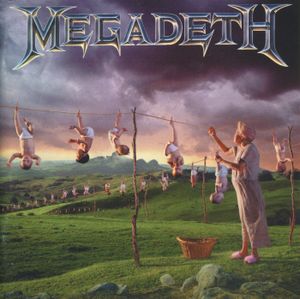
A Tout Le Monde is Megadeth’s melancholic ballad that revealed a softer, deeply reflective side of Dave Mustaine’s songwriting. Released on Youthanasia (1994), the song’s simple, haunting melody and bilingual title (French for "To everyone") wrap existential themes in an accessible musical package. The track’s emotional honesty and singable chorus made it a crossover favorite among fans. Significance: A Tout Le Monde broadened the band’s emotional palette and became a go-to track for fans who appreciated Megadeth’s capacity for vulnerability amid aggression. The song was later re-recorded as a duet with Cristina Scabbia, which introduced it to new listeners and reinforced its enduring appeal. For SEO and discovery, A Tout Le Monde often appears on playlists for metal ballads and reflective rock anthems.
Trust
Trust is one of Megadeth’s most radio-friendly singles and a standout from Cryptic Writings (1997). The track blends a memorable chorus with heavy rhythms and a polished production that allowed Mustaine’s melodic instincts to shine. Trust landed on rock radio and reinforced Megadeth’s ability to craft accessible songs without abandoning metallic aggression. Significance: Chart success and regular airplay helped Trust broaden Megadeth’s audience in the late ’90s. The song’s layered guitars and radio-ready arrangement signaled the band’s versatility — able to oscillate between technical thrash and mainstream rock. Trust remains a frequently streamed Megadeth single and an example of the band’s late-'90s commercial phase.
Sweating Bullets
Sweating Bullets stands out on Countdown to Extinction for its claustrophobic vocal performance and confessional lyrics. Released in 1992, the song features Mustaine’s theatrical, almost spoken-sung delivery as he inhabits a fractured psyche — an effective blend of lyricism and melody that made the track both unsettling and unforgettable. The track’s mid-tempo heaviness and melodic chorus helped it become a radio and MTV staple. Significance: This song highlights Megadeth’s evolution from pure thrash into more groove- and melody-oriented approaches without losing bite. Sweating Bullets is often praised for its lyrical depth and distinct vocal character; it broadened the band’s emotional range and remains a highlight of 1990s metal playlists. SEO note: Sweating Bullets is frequently searched in connection with Megadeth’s Countdown to Extinction era and Mustaine’s songwriting style.
Peace Sells
Peace Sells (But Who’s Buying?) became Megadeth’s unofficial anthem and one of the most quoted tracks in their catalog. Released in 1986, the song’s opening bass line and instantly recognizable lyric, "What do you mean, I don't support your system?", cemented its place in metal and alternative culture. The single and its title track combined political commentary with an infectious riff that broadened the band’s appeal beyond the underground. Significance: Peace Sells earned mainstream visibility — its riff and attitude lifted the band’s profile and opened doors like MTV exposure. The track is frequently cited in lists of greatest metal songs and remains a signature tune in Megadeth’s setlists. As a touchstone of politically charged metal, Peace Sells illustrates how the band used social critique and catchy songwriting to reach larger audiences.
Wake Up Dead
Wake Up Dead is an early Megadeth classic that captures Dave Mustaine’s ruthless riff-writing and biting lyrical edge. Released on Peace Sells... but Who's Buying? (1986), this track helped define Megadeth’s early sound — a fusion of punk speed and metal precision. The chugging rhythm, punchy chorus, and Mustaine’s urgent vocal delivery make it a staple of early thrash metal playlists. Significance: As one of the band’s earliest fan favorites, Wake Up Dead showcased Megadeth’s ability to write concise, high-energy songs with memorable motifs. The song’s compact structure and relentless drive make it a live favorite and an accessible gateway into Megadeth’s heavier catalog. For anyone exploring Megadeth’s formative years, Wake Up Dead is essential listening and an example of how the band translated raw rage into tight musicianship.
Megadeth’s catalog spans raw thrash fury, technical virtuosity, and surprising melodic depth — and this top 10 captures those dimensions. From the incendiary early tracks that defined the band’s sound to the polished anthems that broadened their reach, these songs map Megadeth’s evolution and influence on metal. Whether you’re a longtime fan or new to Dave Mustaine’s world, this list is a starting point. Crank up Rust in Peace, Countdown to Extinction, and the early Peace Sells era to hear how these top songs helped cement Megadeth’s legacy as one of heavy metal’s most important and enduring acts.
Last Updated: 12/25/2025