
What Is Black Metal?
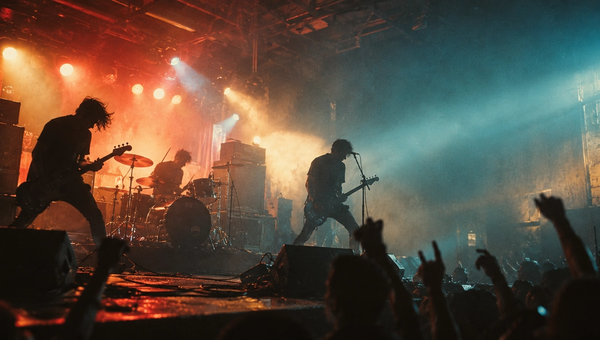
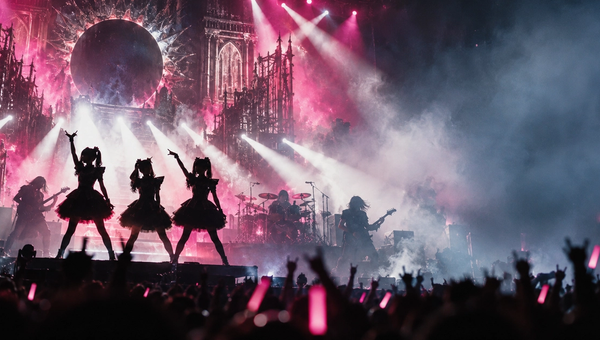
Black metal is an extreme style of heavy metal built on shrieking vocals, tremolo-picked guitars, blast-beat drumming, and deliberately raw, lo-fi production. It chases atmosphere and dread rather than polish. The name came from a 1982 Venom album, but the genre as most people know it was forged in Norway in the early 1990s.
That second part matters, because black metal is really two stories. There is the sound, cold and fast and hostile by design. And there is the scene that made it notorious, a small circle of Norwegian teenagers who burned churches and, in one case, committed murder. You can love the music without romanticizing the crimes. Plenty of the genre's best musicians do exactly that. Here is what black metal actually is, where it came from, and how to start listening.
What black metal sounds like
Put on a black metal record and the first thing you notice is the vocals. They are high, rasping, and shrieked, closer to a scream than a growl. That is the quickest way to tell black metal from death metal, where the vocals sit low in a guttural roar. Black metal goes up. Death metal goes down.
Underneath the vocals, the guitars do something specific. Instead of chugging riffs, black metal leans on tremolo picking, a single note or chord picked so fast it blurs into a wall of sound. Layer that over blast beats, the drummer hammering as fast as the wrists allow, and the effect is a blizzard, dense and disorienting. The production is often thin and trebly on purpose. Where most metal wants a big, clean low end, classic black metal wants tape hiss and cold air. The rawness is the point, not a budget problem.
Song structures tend to be long and hypnotic rather than tight and hook-driven. A riff repeats and mutates for minutes at a time, and the payoff is a trance state, not a chorus you hum on the way home. That is a real barrier to entry for new listeners, and it is also the whole appeal once it clicks.
The other word that comes up constantly is atmosphere. A good black metal song is trying to put you somewhere. A frozen forest, an empty cathedral, the inside of a bad dream. Some bands chase that with keyboards and slow, glacial passages. Others get there with nothing but distortion and repetition. Either way the mood is the goal, and the aggression is how they build it.
Where black metal actually started
The name is older than the genre. The British band Venom released an album called Black Metal in 1982, and the phrase stuck. Venom, along with Bathory in Sweden, Mercyful Fate in Denmark, and the Swiss bands Hellhammer and Celtic Frost, made up what fans now call the first wave. They were faster, darker, and more openly Satanic than the metal around them, and they laid the groundwork. But they did not yet sound like a single, coherent genre.
That coherence arrived in Norway. In the early 1990s a tight circle of young musicians turned black metal into something with its own rules, its own look, and its own code. Much of the scene revolved around Helvete, Norwegian for hell, a record shop in Oslo owned by Øystein Aarseth, better known as Euronymous, the guitarist of Mayhem. Out of that circle came the bands still treated as the genre's core: Mayhem, Darkthrone, Burzum, Immortal, Emperor, Satyricon, Gorgoroth, and Enslaved.
This is the second wave, and it is the one that set the template. The corpse paint, white faces with black around the eyes and mouth, meant to look inhuman. The pseudonyms. The obsession with cold and darkness and the far northern landscape. If you picture a black metal band in your head, you are almost certainly picturing something the Norwegians invented between roughly 1991 and 1994.
The crimes that made it infamous
There is no honest introduction to black metal that skips this part. Between 1992 and 1996 members of the Norwegian scene set fire to dozens of churches. The first and most famous was Fantoft Stave Church near Bergen, a wooden church centuries old, burned to the ground in June 1992. Police linked the arson to Varg Vikernes, the man behind the one-person band Burzum. By some counts there were more than fifty arson attacks in those years.
It got worse. In 1991 Mayhem's vocalist, a Swede who performed as Dead, died by suicide, and the scene's fixation on death darkened from there. In 1993 Vikernes stabbed Euronymous to death after their relationship curdled into paranoia and rivalry. In 1994 he was convicted of the murder and several of the church burnings and sentenced to 21 years, the maximum under Norwegian law at the time.
Those events made black metal famous outside metal circles, and they still shadow the genre. Two things are worth stating plainly. The crimes were real and serious, and the church burnings destroyed irreplaceable pieces of Norwegian heritage. And most black metal, then and now, has nothing to do with any of it. There is also a small racist and neo-Nazi fringe within the genre, which most prominent artists have publicly rejected. The music is bigger than its worst chapter, but you should know the chapter exists.
What the lyrics are actually about
Black metal's reputation says Satanism, and some of it is exactly that. But the lyrical world is wider than the headlines suggest. The recurring themes are misanthropy, anti-Christianity, Satanism, and a strong current of pre-Christian, pagan identity, songs about old gods, old myths, and the land itself.
Nature shows up constantly, usually cold and indifferent nature, forests and mountains and winter. A lot of black metal is less interested in shock than in a kind of bleak romanticism, the human world as small and temporary against something ancient and vast. Later offshoots pushed even further from the Satanic stereotype. Atmospheric and so-called post-black metal bands often drop the occult entirely in favor of grief, isolation, and the natural world. The shriek stays. The subject matter roams.
Bands that define black metal
Start with the source and work outward. Among the second-wave originators, Mayhem is the essential name, the band at the center of the whole story, and their debut De Mysteriis Dom Sathanas is the genre's most notorious record. From there the untouchable classics live with bands like Darkthrone, Burzum, Immortal, Emperor, and Satyricon, which is where most listeners head next.
Beyond Norway, black metal became a global language, and TBI's own catalog shows how far it traveled:
- Cradle of Filth, from England, took the genre in a lush, symphonic, theatrical direction and became one of the most commercially successful extreme bands on earth. A common entry point is Cruelty and the Beast. [VERIFY: Cruelty and the Beast as Cradle of Filth's most-cited entry album — needs a source]
- Behemoth, from Poland, started raw and evolved into a towering blackened death metal act. The Satanist is the modern classic and the obvious place to begin. [VERIFY: The Satanist (2014) as Behemoth's landmark album — needs a source]
- Kanonenfieber, from Germany, is one of the most talked-about newer acts, building black metal around the history of the First World War. [VERIFY: Kanonenfieber's WWI concept and debut album title — needs a source]
- Chthonic, from Taiwan, fuse black metal with traditional Taiwanese instruments and history, proof the style bends to whatever culture picks it up. [VERIFY: Chthonic incorporate Taiwanese folk instruments and historical themes — needs a source]
- Anthelion, also from Taiwan, work a symphonic, melodic strain of the genre. [VERIFY: Anthelion as a symphonic/melodic black metal band — needs a source]
- Spite, from the United States, sit at the heavier, more modern extreme end, closer to the deathcore-adjacent scene than to Norwegian tradition. [VERIFY: Spite's stylistic classification — needs a source]
- Portrayal of Guilt, from Texas, blur black metal into hardcore and screamo, part of the American wave that treats the genre as raw material rather than a rulebook. [VERIFY: Portrayal of Guilt blend black metal with hardcore/screamo — needs a source]
That spread, England to Poland to Germany to Taiwan to Texas, is the real state of black metal now. It stopped being a Norwegian secret a long time ago.
Black metal today
The genre never went away. It splintered. Symphonic black metal added orchestras. Atmospheric and post-black metal slowed things down and traded Satanism for melancholy and wide open sound. There is a whole strand of solo, bedroom black metal, one person and a cheap recording setup, that keeps the original lo-fi spirit alive on purpose. And plenty of bands still play it cold and traditional, exactly the way the Norwegians drew it up.
What holds it together is not a checklist of sounds but a feeling. Black metal, more than almost any other metal subgenre, is about atmosphere and intent. It wants to sound like a place you should not be. Three decades on, that thread still runs from a hissy 1992 demo to a band forming this year.
Frequently asked questions
What does black metal sound like? Fast, harsh, and cold. Expect high shrieked vocals, guitars played with rapid tremolo picking, blast-beat drums, and deliberately raw production. The overall effect is dense and atmospheric rather than clean and punchy.
Why do black metal bands wear corpse paint? Corpse paint is black-and-white face paint meant to make musicians look inhuman, corpse-like, or demonic. The second-wave Norwegian bands turned it into the genre's signature look in the early 1990s. Many artists describe it as a way to step into a character, closer to a mask than to makeup.
Is all black metal Satanic? No. Satanism and anti-Christian themes are a real and founding part of the genre, but the lyrical range is much wider, covering paganism, mythology, nature, isolation, and grief. A large amount of modern black metal has no Satanic content at all.
What is the difference between black metal and death metal? The fastest tell is the vocals. Black metal uses high, shrieking screams; death metal uses low, guttural growls. Black metal tends to be rawer, colder, and more atmospheric, while death metal is usually heavier in the low end and more technical and precise.
Did black metal really start in Norway? Partly. The name and the first wave came from bands like Venom, Bathory, and Celtic Frost in the early to mid-1980s. But the genre as it is understood today, the sound, the look, and the code, was defined by the Norwegian second wave in the early 1990s.
Where should a beginner start? For the classic Norwegian sound, Mayhem is the historical anchor. If you want something more accessible, the symphonic sweep of Cradle of Filth or the blackened death metal of Behemoth are easier first steps before you dig into the rawer originators.
Palances Liao is the founder of The Band Index, the rock, metal, and heavy-music discovery platform. Five years in the scene turned into building the tool it needed — band rankings driven by real engagement, a genre map that runs from hard rock through metalcore to deathcore, and festival lineups kept accurate and current. The result is an unusual vantage point: writing grounded not in one critic's taste, but in how the whole scene actually moves. Experience & credentials - 🎧 In rock & metal since 2021 (five years), as founder of The Band Index - 🏗️ Built and runs TBI's band rankings, genre hubs, and festival-lineup coverage - ✍️ Writes TBI's US heavy-festival recaps and the "what is [genre]" explainer series How I work: I only claim first-hand experience of festivals I actually attended; everything else is verified against primary sources and labeled. I follow TBI's Editorial & Sponsored Content Policy. Corrections: [email protected].