The Band Index

Art Rock Facts

Art rock blends experimental and avant-garde elements with rock music's core structures. It often prioritizes artistic expression and innovation over commercial appeal, showcasing complex arrangements and unconventional song structures. Think sophisticated musicianship, lyrical depth, and a rejection of mainstream rock conventions.

Origins

Origin
United Kingdom
Era
late 1960s

Sound Traits

symphonic orchestrationextended instrumental sectionsalbum oriented compositionsclassical music influenceavant garde experimentation

Lyrical Themes

political themesimaginative themesconceptual narratives

History

Origins and early development

Art rock is a subgenre of rock music that aims to separate the genre from popular entertainment and primarily draws influences from the wider art world and academia, including contemporary art, art music, avant-garde music, experimental music, classical music and jazz. The term was closely associated with a specific period beginning in 1966–67 and also relates to a counter-tradition from the early sixties that treated rock and roll in relation to high art rather than mainstream pop.

Evolution or diversification

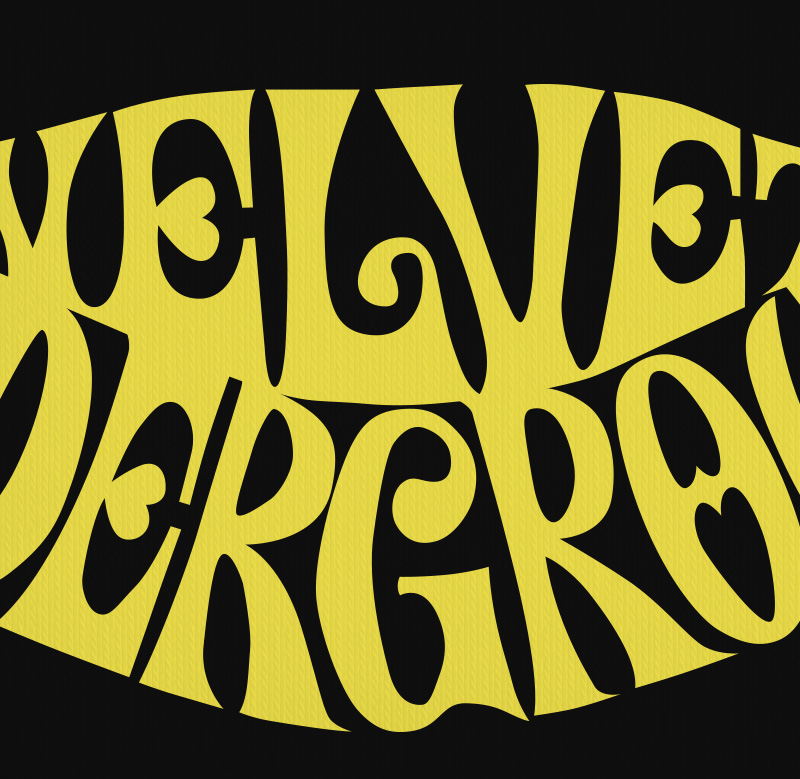
Historically the term has been used to describe at least two related but distinct types of rock music: a progressive rock strand and an experimental rock strand that rejected psychedelia in favour of a modernist avant-garde approach exemplified by groups such as the Velvet Underground. Art rock has been described as blending elements of rock and European classical music, often producing album oriented music divided into compositions rather than songs, with complicated and long instrumental sections, symphonic orchestration, and use within the context of concept records and rock operas.

Cultural or musical significance

Critics have defined art rock as a rejection of rock music intended solely for popular entertainment or dancing, and the term was sometimes used derogatorily in the 1970s. It became influential to the development of progressive rock and has frequently intertwined with "serious music," with attempts to elevate rock music to new levels of artistic credibility; it has also been described as more challenging, noisy and unconventional depending on context.