
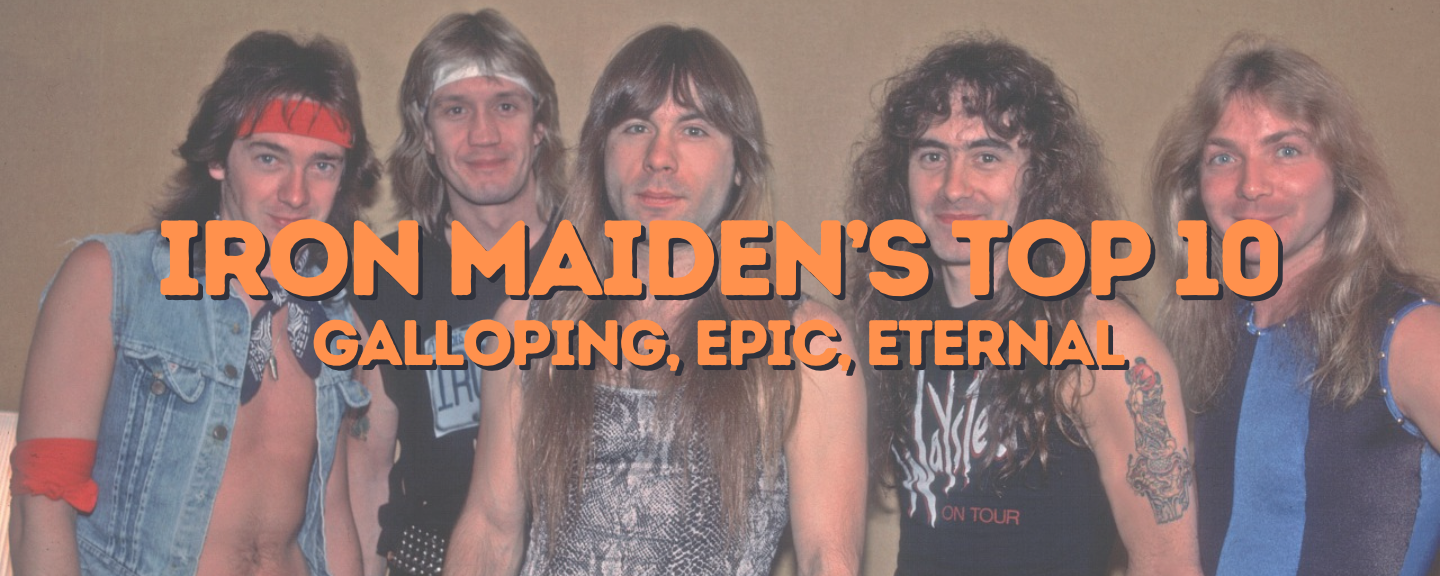
Iron Maiden 的十大經典:奔馳、史詩、永恆
在 Spotify 上收聽
四十多年來,Iron Maiden 始終高舉重金屬的旗幟。Steve Harris 標誌性的奔馳貝斯、雙吉他合音,以及 Bruce Dickinson 歌劇般的狂放嘶吼——一路上都有他們那不斷蛻變的吉祥物 Eddie 引領前行。從戰場上的衝鋒陷陣到末世預言,樂團將文學、歷史與神話融入歌曲,打造出格局宛如電影般宏大、演奏兇猛剽悍的音樂作品。以下十首曲目記錄了 Maiden 從 NWOBHM 開拓者到征服體育場傳奇樂團的進化歷程,完美展現了為什麼他們的音樂至今仍能點燃衝撞狂潮,並持續啟發新一代的甩頭客。
前三名
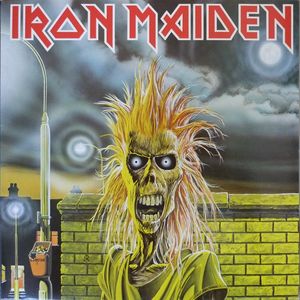
Phantom of the Opera
Iron Maiden · 1980Clocking in at seven minutes on their debut, this multi‑section opus hinted at the prog‑metal path Maiden would later dominate. Galloping verses segue into dramatic instrumental passages, with Harris’s bass functioning as a third guitar. Paul Di’Anno’s gritty vocal adds punk snarl to gothic storytelling. Its complexity—tempo changes, key shifts, extended solos—made it a blueprint for future Maiden epics. Modern set‑list revivals prove the song’s raw NWOBHM energy still thrills, bridging early and classic eras.
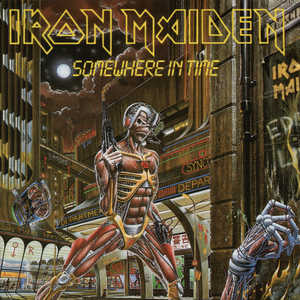
Wasted Years
Somewhere in Time · 1986Adrian Smith’s shimmering, tape‑loop intro riff instantly evokes nostalgia—a fitting mood for lyrics about homesickness on tour. Unlike Harris’s historical epics, “Wasted Years” is introspective, urging listeners to cherish the present rather than pine for the past. Bright major‑key choruses and a melodic, tapping‑infused solo reveal Maiden’s ability to write uplifting anthems without losing metallic edge. The song’s continued live popularity underscores the universal pull of its reflective message.
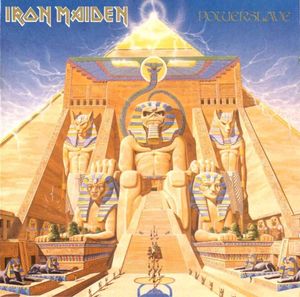
2 Minutes to Midnight
Powerslave · 1984A swaggering, palm‑muted riff and syncopated hi‑hat groove lay the foundation for Maiden’s cold‑war protest anthem. Smith’s co‑writing injects hard‑rock swing, while Harris counters with intricate chorus climbs, forging a perfect tension between accessibility and complexity. The Doomsday Clock metaphor and graphic imagery indict war profiteers, expanding Maiden’s lyrical palette. Its memorable chorus became a radio staple, proving political commentary could coexist with fist‑pumping hooks.
佳作
Aces High
Churchill’s “Their finest hour” speech crackles over PA systems before Murray and Harris launch into a strafing‑run riff matching the song’s Spitfire dog‑fight narrative. Dickinson’s rapid‑fire verses and sky‑high sustained notes embody a pilot staring death in the face yet reveling in speed. Live, the band often opens with “Aces High” as an adrenaline detonator; the airborne imagery meshes with Dickinson’s real‑life pilot exploits, blending art and persona. The track’s seamless tempo shifts showcase Maiden’s growing progressive ambitions without sacrificing bite.
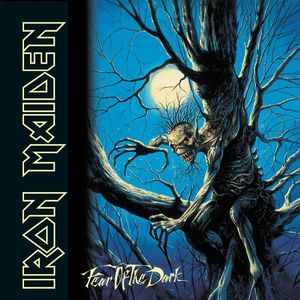
Fear of the Dark
An acoustic intro sets a moonlit mood before the full band erupts into a brisk, 7/8‑inflected gallop. Janick Gers’s wah‑drenched leads intertwine with Murray’s fluid lines, giving Maiden’s three‑guitar era early proof of concept. The lyrics tap primal childhood terrors, yet live crowds turn that fear into unity—thousands chanting the “whoa‑oh‑oh” refrain under festival floodlights. Its inclusion on every set list since ’92 shows the band’s ’90s work could stand shoulder to shoulder with their classic‑era canon.
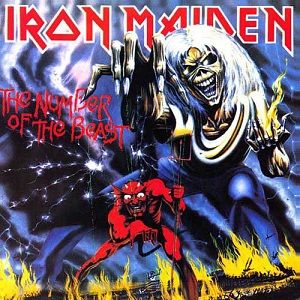
The Number of the Beast
Vincent Price‑style narration, eerie guitar squeals, and a lurching time‑signature fake‑out open this quintessential horror anthem. The riff’s sinister swing pairs with apocalyptic lyrics drawn from John’s Revelation and ’70s devil‑films, igniting moral panics that only boosted record sales. Musically, it’s a masterclass in dynamics: verses creep, choruses explode, and a dual‑solo siege leaves listeners breathless. For many fans “The Number of the Beast” marks the moment metal found its theatrical perfect storm—melody, menace, and myth.
Run to the Hills
Opening with tribal tom‑toms that evoke Indigenous rhythms, the song pivots into a galloping major‑key riff—deceptively upbeat for a tale of colonial brutality. Verses switch perspectives between Native Americans and invading cavalry, showcasing early‑’80s metal tackling sociopolitical themes. Dickinson’s piercing high notes in the chorus deliver both anger and lament, while an extended middle‑eight solo captures the chaos of clashing worlds. “Run to the Hills” became Maiden’s first UK Top 10 single, broadening metal’s narrative possibilities and proving socially conscious lyrics could still shred.
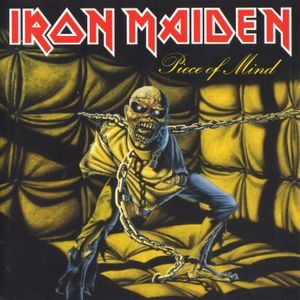
Flight of Icarus
One of Maiden’s rare mid‑tempo singles, “Flight of Icarus” pairs a chunky, descending riff with Dickinson’s retelling of Greek myth from Icarus’s rebellious viewpoint. Producer Martin Birch’s emphasis on soaring vocals and punchy drums created a radio‑friendly mix without dulling the band’s heft. Though Bruce jokes the band “played it too slow,” the deliberate pace lets the melody breathe, becoming a sing‑along staple. The song illustrates Maiden’s knack for transforming ancient lore into arena metal, inspiring generations of metal bands to mine mythology for riffs.
The Trooper
Smith’s and Murray’s harmonized intro mimics bugle calls before Harris’s bass unleashes a cavalry charge inspired by Tennyson’s “Charge of the Light Brigade.” McBrain’s double‑time snare patterns imitate thundering hooves, while Dickinson belts battlefield imagery with relentless urgency. At concerts Bruce brandishes a Union Jack and fence‑duels Eddie, cementing the song’s status as a visual and sonic centerpiece. Its tight structure—riff, chorus, solo, repeat—illustrates Maiden’s ability to condense historical drama into four minutes of pure adrenaline, making “The Trooper” a mandatory lesson in heavy‑metal riff craft.
Hallowed Be Thy Name
A tolling bell, minor‑key arpeggios, and Harris’s expressive bass lines usher listeners into a condemned man’s final reflections. Over seven minutes the song ascends through tempo shifts, twin‑lead melodies, and a climactic solo trade‑off between Dave Murray and Adrian Smith. Nicko McBrain’s predecessor Clive Burr drives the crescendo with tumbling fills that heighten the drama. Lyrically, Bruce Dickinson narrates existential dread with Shakespearean flair: questions of fate, faith, and mortality swirl until the galloping outro feels like a soul breaking free. Often placed near the end of Maiden’s live sets, it turns arenas into communal chanting halls—proof that even metal’s heaviest moments can be spiritually elevating.
觀看相關影片
最後更新:5/8/2025