What Is Metalcore? The History of Metal's Most Divisive Genre
Intro
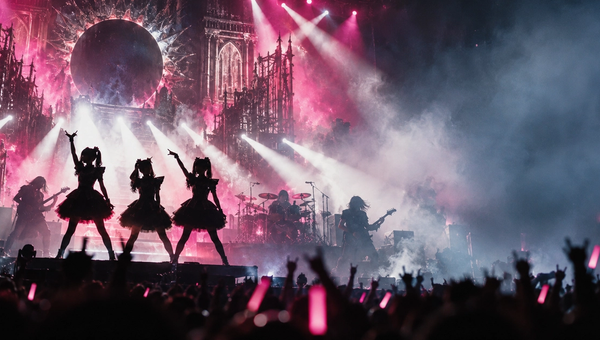
Ask ten people what metalcore is and you'll get ten answers, half of them wrong and at least one of them angry. It's one of the most popular heavy genres of the last twenty-five years and one of the most argued-over. Some fans treat the word as a badge. Others use it as an insult.
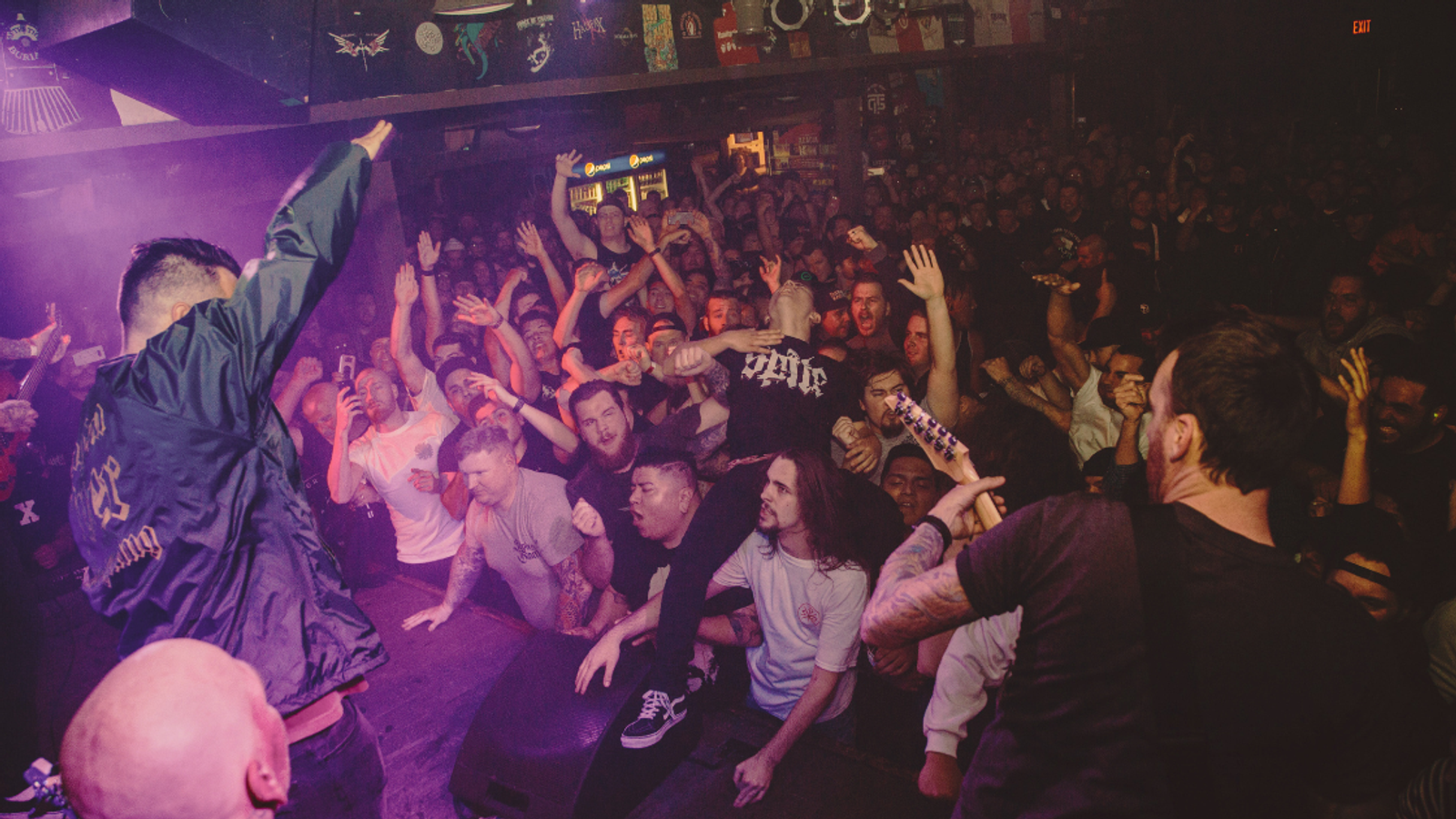
The confusion is fair, because metalcore sits on a seam. It's the place where hardcore punk and heavy metal grind into each other, and depending on which side a band leans toward, the result can sound like a riot in a basement or a stadium chorus built for forty thousand people. This is a guide to what the genre actually is: where it came from, what makes it tick, and how to tell it apart from the half-dozen subgenres people keep mistaking it for.
What metalcore actually is
At its simplest, metalcore is a fusion. Take the riffing, palm-muted heaviness, and guitar leads of metal. Add the urgency, the shouted vocals, and the mosh-ready song structures of hardcore punk. Bolt the two together and you have the skeleton.
Three things tend to define the modern version of the sound:
The vocals trade off. A screamed or shouted verse drops into a clean, sung chorus, then back again. That contrast — abrasive, then melodic — is the signature most casual listeners latch onto, and it's why metalcore broke out of the underground when plenty of heavier genres never did.
The guitars borrow from melodic death metal. A lot of the genre's lead-guitar vocabulary, the harmonized twin leads and the minor-key melodies, comes straight out of Gothenburg, Sweden, and bands like At the Gates. Early-2000s American metalcore essentially imported that melodic-death toolkit and wrote choruses over it.
And then there's the breakdown. The breakdown is the part where the tempo collapses, the riff thins out to a few downtuned, syncopated chugs, and the floor opens up. It's the genre's most recognizable structural move and, not coincidentally, the thing its critics complain about most. Love it or roll your eyes at it, the breakdown is metalcore's heartbeat.
Where it came from: the 1990s metallic-hardcore roots
Metalcore didn't arrive fully formed. It grew out of the hardcore scene of the late 1980s and 1990s, when hardcore bands started writing heavier, more metal-influenced riffs. People called it "metallic hardcore" before the shorter word stuck.
The early blueprint came from bands like Integrity, Earth Crisis, and Hatebreed, who kept hardcore's bluntness but swung it like a sledgehammer. Then there was Converge, a band from Massachusetts who pushed the sound somewhere stranger and more violent. Their 2001 album Jane Doe is still treated as a landmark, the moment the chaotic, mathy wing of the genre found its definitive statement.
This first wave didn't sound much like what most people now picture when they hear "metalcore." There were fewer clean choruses and a lot more raw aggression. But the DNA was set: metal weight, hardcore delivery, breakdowns as a weapon.
The 2000s boom: melodic metalcore goes overground
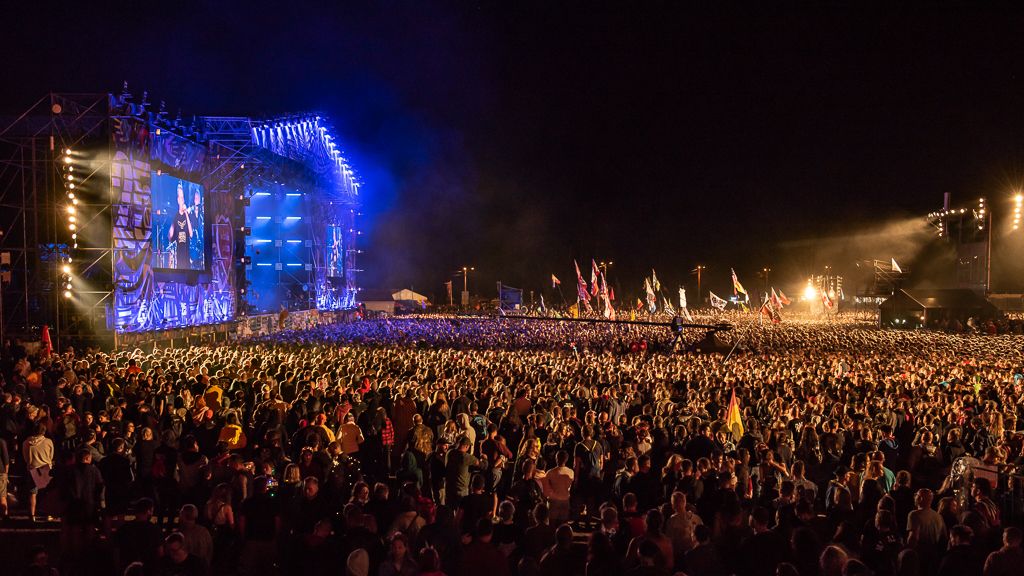
The version of metalcore that conquered the 2000s was the melodic one, and one band sits at the center of the story: Killswitch Engage. Their albums Alive or Just Breathing (2002) and The End of Heartache (2004) codified the template — heavy riffing and screamed verses married to soaring, genuinely catchy sung hooks. After that, the floodgates opened.
A whole generation came up in that wake. As I Lay Dying, Trivium, All That Remains, Unearth, Shadows Fall, Atreyu, and later Bullet for My Valentine took the melodic-metalcore formula onto bigger and bigger stages. Labels like Ferret and Trustkill became scene institutions. Trivium's Ascendancy (2005) showed how far the thrash end of the spectrum could run with it.
This was the period when metalcore stopped being an underground term and became a commercial force. It also became a target. As the sound got bigger and more formulaic, the backlash got louder, and "metalcore" picked up the dismissive baggage it still carries in some circles. That's the cost of a genre getting popular fast.
The 2010s and beyond: the global, modern era
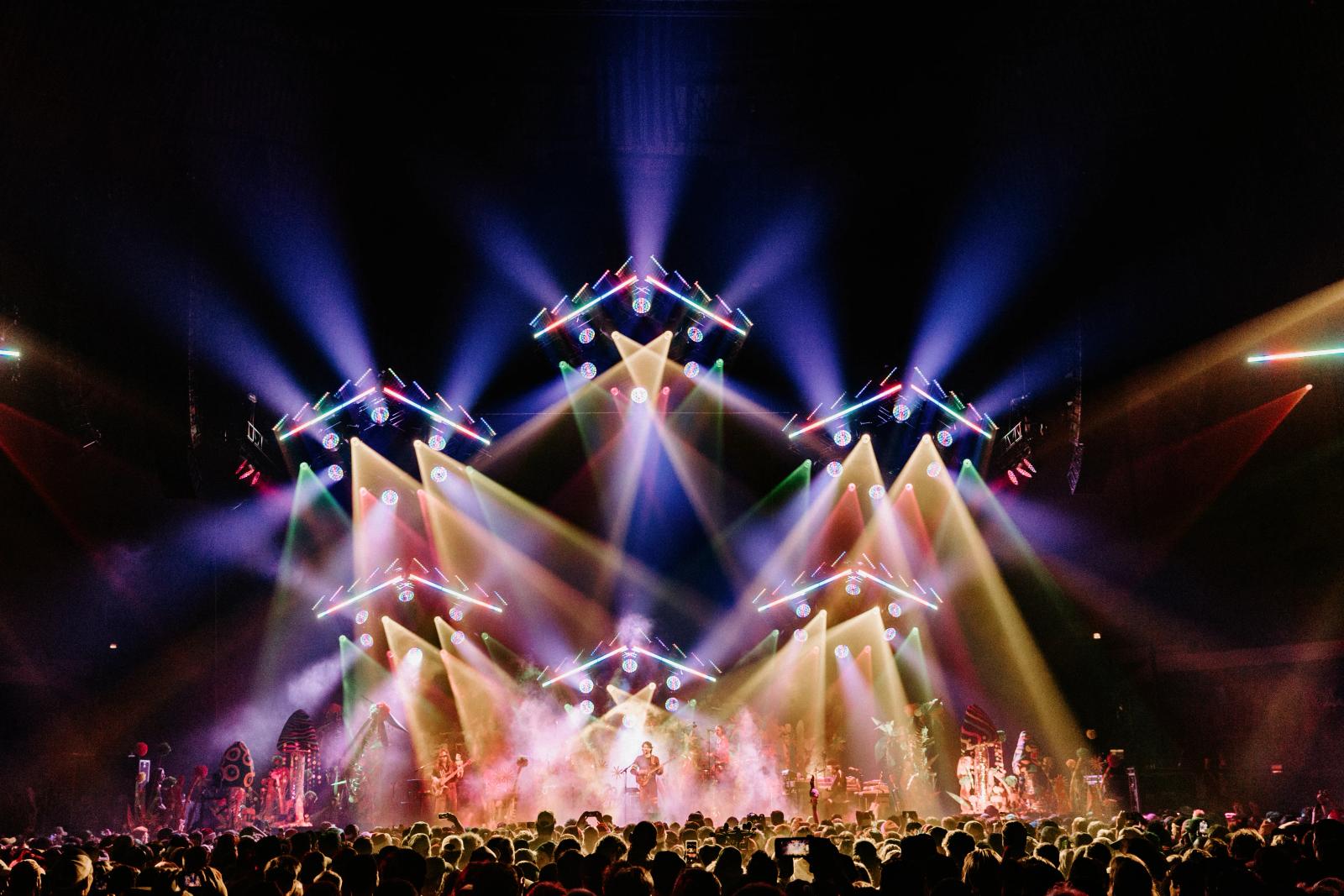
Metalcore didn't fade after its 2000s peak. It went global and got heavier again. Australia's Parkway Drive grew into a genuine festival-headlining act. The United Kingdom produced Architects and While She Sleeps, who pushed the genre toward something more atmospheric and emotionally heavy. August Burns Red and The Devil Wears Prada kept the American end thriving.
The most recent wave has blurred the edges on purpose. Spiritbox fold in electronics and ambient textures. Knocked Loose drag the sound back toward its nastiest hardcore roots. Bands like Currents and Bad Omens stretch it toward progressive and alt-rock territory. Metalcore in the 2020s is less a single sound than a broad family, which is exactly why the definition keeps causing fights.
How to tell metalcore from its neighbors
Most arguments about whether a band "is metalcore" come down to confusing it with an adjacent genre. Here's the quick field guide:
Metalcore vs deathcore. Deathcore takes metalcore's breakdowns and welds them to death metal — guttural growls, blast beats, and a downtuned brutality that leaves little room for melody. If the vocals are mostly low gutturals and there's no clean chorus in sight, you're probably hearing deathcore (Suicide Silence, Whitechapel), not metalcore.
Metalcore vs post-hardcore. Post-hardcore is the more melodic, more experimental cousin. It leans on dynamics, clean singing, and mood rather than metal riffing and breakdowns. Underoath sit near the border; a band like At the Drive-In sits well over on the post-hardcore side.
Metalcore vs metallic hardcore. This is the family's elder. Metallic hardcore (Hatebreed, Integrity) stays closer to hardcore punk — shorter, blunter, fewer harmonized leads and almost no sung choruses. Metalcore is what happened when that sound absorbed more metal melody.
Metalcore vs mathcore. Mathcore is metalcore's unhinged sibling: jagged time signatures, dissonance, and chaos over hooks. Converge and The Dillinger Escape Plan are the reference points.
If you remember one rule, make it this: clean sung choruses plus melodic metal leads plus breakdowns usually means metalcore. Strip out the melody and you drift toward deathcore or metallic hardcore. Strip out the heaviness and you drift toward post-hardcore.
The living scene: metalcore on The Band Index
History explains where the genre has been. The more interesting question is where it is right now, and that's the part an encyclopedia can't keep up with.
The metalcore scene is one of the most active in heavy music, and a lot of the bands shaping it today are too new or too underground to have settled into the reference books yet. That's the gap The Band Index is built for. The metalcore genre hub is a living, browsable list of the bands defining the sound — from the headliners to the emerging acts climbing fast — and every name links straight to its own page, discography, and community.
If you came in through one band, you can follow the thread: from Killswitch Engage and Parkway Drive to newer names like Spiritbox and Knocked Loose, and out into the adjacent genres they touch. You can see which metalcore bands are trending on The Band Index this week, vote for your favorites, and find the regional and underground acts most guides skip entirely.
→ Explore the metalcore hub on The Band Index and find your next favorite band.
Outro
Metalcore has spent twenty-five years being declared dead and then headlining the next festival anyway. It's divisive because it succeeded, and it succeeded because that collision at its core — hardcore's fury meeting metal's melody — turned out to be one of the most durable ideas in heavy music. Whatever you call the next wave, the breakdown isn't going anywhere.
Palances Liao is the founder of The Band Index, the rock, metal, and heavy-music discovery platform. Five years in the scene turned into building the tool it needed — band rankings driven by real engagement, a genre map that runs from hard rock through metalcore to deathcore, and festival lineups kept accurate and current. The result is an unusual vantage point: writing grounded not in one critic's taste, but in how the whole scene actually moves. Experience & credentials - 🎧 In rock & metal since 2021 (five years), as founder of The Band Index - 🏗️ Built and runs TBI's band rankings, genre hubs, and festival-lineup coverage - ✍️ Writes TBI's US heavy-festival recaps and the "what is [genre]" explainer series How I work: I only claim first-hand experience of festivals I actually attended; everything else is verified against primary sources and labeled. I follow TBI's Editorial & Sponsored Content Policy. Corrections: [email protected].