
Radiohead: The Definitive Top 10 Songs That Shaped Modern Rock
Listen on Spotify
A curated countdown of Radiohead's top 10 songs, tracing the band's evolution from alt-rock anthems to experimental masterpieces. Explore why these tracks—spanning Pablo Honey to A Moon Shaped Pool—cemented Radiohead's place in music history.
The Top 3
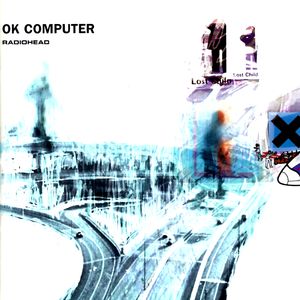
Paranoid Android
OK Computer · 1997Paranoid Android takes the top spot as Radiohead's most ambitious and genre-defying single. From its multi-part structure to its dramatic shifts between fragile verses and jagged, almost metallic climaxes, the song is frequently compared to progressive rock epics while remaining unmistakably Radiohead. Released on OK Computer, "Paranoid Android" encapsulated the band's critique of alienation, modern life, and technology with grandiosity and precision. The track's complex arrangement, Jim Guthrie-like guitar lines (Jonny Greenwood's virtuosic interplay), and haunting middle section have made it a landmark in alt-rock history. Critics still single out "Paranoid Android" as a high-water mark for 90s experimentation, and its enduring influence makes it a top search term and must-listen when exploring Radiohead's defining works.
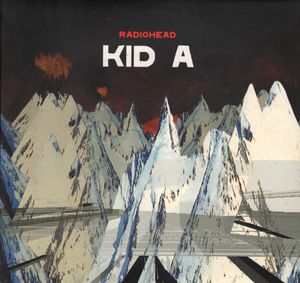
Everything In Its Right Place
Kid A · 2000Everything In Its Right Place announced a seismic shift in Radiohead's sound when Kid A arrived: minimal, looped synths, manipulated vocals, and an unsettling sense of modern alienation. As the opening track of Kid A, it set the tone for the band's bold move away from traditional rock structures and toward electronic experimentation. The song's abstract lyrics and hypnotic repetition marked a defining moment in Radiohead's evolution. This track's influence resonates in how bands approached electronic textures and production in the 2000s; it remains a frequently cited example of successful reinvention. "Everything In Its Right Place" is essential in conversations about Radiohead's most innovative works and is a high-visibility keyword for those studying the crossover between rock and electronic music.
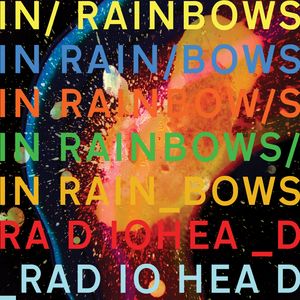
Reckoner
In Rainbows · 2007Reckoner is a late-era Radiohead masterpiece from In Rainbows, showcasing the band's refined sense of rhythm, falsetto melody, and delicate production. The track combines intricate percussion, shimmering guitar textures, and Thom Yorke's vulnerable falsetto to create a tense yet luminous atmosphere. Many critics and fans view "Reckoner" as one of Radiohead's most emotionally affecting songs. The song's production—Neil Godrich's spacious mix, Jonny Greenwood's subtle arrangement choices, and Yorke's vocal performance—illustrates Radiohead's matured sound. Live versions of "Reckoner" often expand the track's dynamic range and are highly anticipated in concert setlists. Its presence near the top of this list reflects the track's role as a modern classic and a highlight of In Rainbows' critical and popular success.
Honorable Mentions
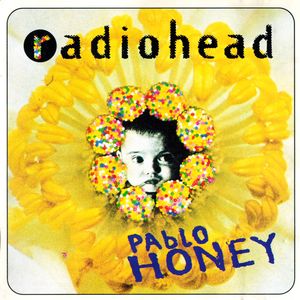
Creep
Creep is Radiohead's breakthrough single and one of the most enduring anthems of 1990s alternative rock. Released on Pablo Honey, the song's quiet-loud dynamics, self-deprecating lyrics, and unforgettable guitar crunch made it an instant touchstone for alienated youth. Despite initial ambivalence from the band about its popularity, "Creep" remains a cultural reference point and introduced Radiohead to a global audience. While Radiohead later distanced themselves from the song's ubiquity, "Creep"'s significance can't be understated: it launched their career and allowed them the creative freedom to explore riskier territory on later albums. For those researching Radiohead's commercial origins, "Creep" is a must-discuss track and a high-traffic keyword in histories of 90s alt-rock.
Karma Police
Karma Police is one of Radiohead's most recognizable songs—an eerie, piano-led plea for poetic justice from OK Computer. The song's memorable chorus, "Karma police, arrest this man," combined with Thom Yorke's shifting vocal dynamics, makes it radio-friendly while still thematically dark. The music video—an ominous car chase that devolves into surrealism—helped embed the song in popular culture. Beyond its chart success, "Karma Police" symbolizes Radiohead's ability to marry accessibility with complexity. It stands as a gateway track for new listeners and a critical favorite for long-time fans. The song is often cited in lists of the band's best singles and serves as an SEO staple for anyone researching OK Computer-era highlights.
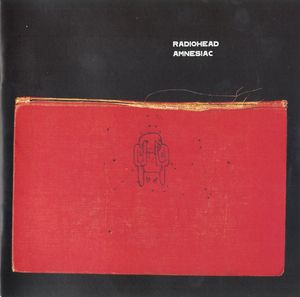
Pyramid Song
Pyramid Song is one of Radiohead's most enigmatic and musically sophisticated pieces. Released on Amnesiac, the track features a floating piano motif, an unconventional rhythmic feel often described as "suspended" or jazz-influenced, and haunting lyrics that touch on the afterlife and memory. The song's mood is hypnotic, and Jonny Greenwood's subtle orchestral touches give it an otherworldly atmosphere. The track's origin stories—including Yorke's references to swimming imagery and time signature debates—have become part of Radiohead lore. "Pyramid Song" frequently ranks among critics' favorite Radiohead compositions for its melancholic beauty and structural daring, making it a must-listen when exploring the band's most haunting and experimental ballads.
Exit Music (For a Film)
Exit Music (For a Film) is a quietly devastating piece written for the Baz Luhrmann film adaptation of Romeo + Juliet and later included as the closing track on OK Computer. It builds from a hushed acoustic beginning into a slow, tensioned crescendo, creating a cinematic arc that mirrors the tragic drama for which it was originally conceived. The song's sparse arrangement and chilling final moments underline Radiohead's gift for mood and narrative. This track marked Radiohead's growing interest in using their music for broader storytelling and confirmed Thom Yorke as a lyricist who could evoke vast emotional landscapes. "Exit Music" is often used to illustrate Radiohead's ability to blur lines between soundtrack work and album cohesion and remains a frequently referenced track in articles about the band's most atmospheric and dramatic songs.
Idioteque
Idioteque stands as Radiohead's most direct foray into club-ready electronic paranoia. From the cold, jittering beat to distorted vocal fragments and an anxious, repetitive hook, "Idioteque" exemplifies the radical stylistic shift on Kid A. The song's themes—climate anxiety, social collapse, and human vulnerability—resonate powerfully with listeners and critics alike. Musically, "Idioteque" showcased the band's embrace of samples, drum machines, and unconventional song forms, influencing countless indie and electronic acts. Live performances of "Idioteque" are notable for their ferocity and the way the band translates electronics into a visceral stage presence. The song is frequently cited in discussions of Radiohead's most innovative tracks and is essential for anyone researching the band's impact on electronic-influenced rock.
Fake Plastic Trees
Fake Plastic Trees is an aching ballad from The Bends that introduced many listeners to Thom Yorke's ability to pair intimate lyrics with sweeping dynamics. The song moves from a soft, acoustic opening to a cathartic climax with full-band crescendos, capturing feelings of fakery and consumerist emptiness. Its emotional resonance and lyrical clarity made it a signature deep cut for Radiohead's early career. The track's significance is twofold: it proved the band's songwriting depth beyond singles like "Creep," and it signaled a move toward more ambitious arrangements and vulnerability. Notable anecdotes include Yorke reportedly collapsing into tears while recording take after take to capture the raw emotion. "Fake Plastic Trees" remains an essential search term when discussing Radiohead's best slow-burning songs and ballads.
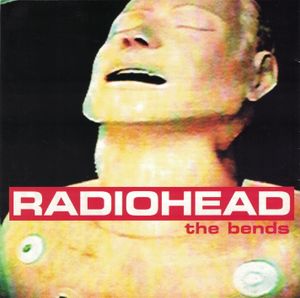
Street Spirit (Fade Out)
Street Spirit (Fade Out) is one of Radiohead's most haunting and persistent tracks. Released on The Bends, the song showcases the band's mastery of atmosphere: a repeating arpeggiated guitar, minimal percussion, and Thom Yorke's desperate, emotive vocal line. The song's minor-key swirl and the lyrical focus on inevitability and mortality make "Street Spirit" a powerful closer and a fan favorite. As a representation of Radiohead's early maturity, "Street Spirit" captures the transition from straightforward alt-rock to something more introspective and artful. The track has been praised by critics for its emotional weight and has endured in live sets and critical retrospectives. Its widely admired music video—shot in monochrome with stark imagery—further cemented its status as a defining moment from The Bends era, and it remains a key keyword for anyone exploring Radiohead's melancholic masterpieces.
Radiohead's top songs reveal a band unafraid to change direction, challenge listeners, and redefine what rock music can be. From the raw confession of "Creep" to the electronic innovations of "Everything In Its Right Place" and the epic sweep of "Paranoid Android," these tracks map the band's artistic evolution and cultural influence. Dive into these songs and then explore deeper into Radiohead's albums—the rewards are abundant for listeners who follow the band's brave, restless path.
Last Updated: 1/7/2026