

The Who Top 10 Songs: A Definitive Ranked List of the Band's Greatest Hits
Listen on Spotify
The Who, the legendary English rock band formed in London in 1964, fused hard rock, mod energy, and ambitious concept songwriting to redefine popular music. This Top 10 ranking highlights the band’s most influential songs—tracks that shaped rock, dominated stages, and cemented The Who’s legacy in music history.
The Top 3
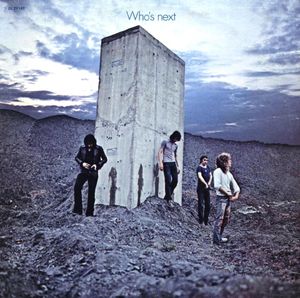
Won't Get Fooled Again
Who's Next · 1971"Won't Get Fooled Again" is The Who’s towering political and musical statement—an explosive synthesis of synthesizer-driven atmosphere, searing guitar riffs and Roger Daltrey’s defiant delivery. As the climactic track of Who's Next, the song channels skepticism toward power and revolution, while delivering one of rock’s most famous screams and one of Townshend’s most memorable guitar passages. Its enduring presence on radio, in political soundtracks and in live setlists underscores the track’s status as a generational anthem. Musically ambitious and theatrically potent, "Won't Get Fooled Again" epitomizes The Who at their most visionary, balancing lyrical bite with monumental sonic scale.
Baba O'Riley
Who's Next · 1971"Baba O'Riley" is one of The Who’s most recognizable and enduring tracks, opening Who's Next with an iconic synthesizer loop and an anthemic chorus. Often misnamed as "Teenage Wasteland," the song marries electronic experimentation with heartland rock drama and has become synonymous with cinematic depictions of youth and rebellion. Its persistent synth motif and explosive guitar sections made it a radio mainstay and festival favorite, while the song’s spiritual-tinged lyrics demonstrated Townshend’s ability to fuse philosophical concerns with rock immediacy. "Baba O'Riley" helped cement Who's Next as a high-water mark in classic rock and remains a go-to track for introductions to the band.
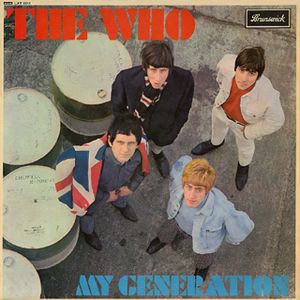
My Generation
My Generation · 1965"My Generation" is The Who’s defining youth anthem—an explosive declaration of teenage defiance anchored by Townshend’s staccato guitar and John Entwistle’s distinctive bass runs. Released in the mid-1960s, the track captured the fury and impatience of a new generation and introduced signature stage theatrics that would become part of the band’s mythos. Its shouted chorus and the famous vocal stutter became cultural shorthand for teenage rebellion, influencing punk and hard-rock movements that followed. Beyond its immediate impact, "My Generation" remains a historical touchstone for the 1960s counterculture and a showcase for The Who’s early identity as both provocateurs and innovators.
Honorable Mentions
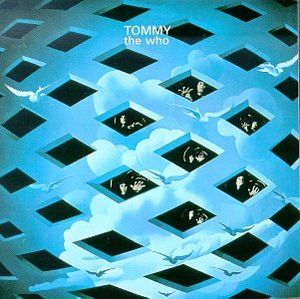
Pinball Wizard
"Pinball Wizard" is the immediate, radio-friendly centerpiece of Tommy, Pete Townshend’s landmark rock opera. The song introduces the pinball-playing savant and condenses the album’s theatrical ambitions into a three-minute pop classic, featuring Roger Daltrey’s impassioned lead vocal and a lightning-quick arrangement. Its commercial success helped drive Tommy’s breakthrough and demonstrated The Who’s ability to craft hit singles from a sprawling conceptual project. The song’s memorable melody and narrative hook made it accessible to casual listeners while remaining integral to the opera’s larger storyline—an exemplar of The Who’s innovative merging of storytelling and rock songwriting.
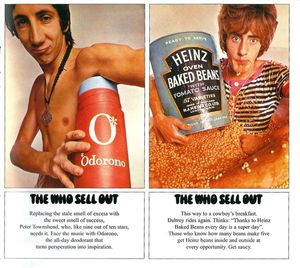
I Can See for Miles
"I Can See for Miles" is arguably The Who’s most ambitious late-’60s single, built around a taut, echo-drenched arrangement and Townshend’s paranoia-tinged lyric. Praised for its production complexity and propulsive energy, the song expanded the group’s international profile and became a significant charting single in the United States. Its layered vocal harmonies, sharp guitar figure and thunderous rhythm section showcased the band’s studio maturation, proving they could match the era’s most innovative acts in production ambition. The track’s influence is evident in generations of power-pop and hard-rock bands who cite its blend of melody and muscularity as foundational.
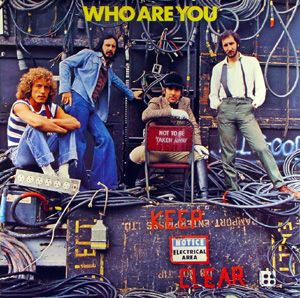
Who Are You
"Who Are You" is a late-1970s manifesto from Pete Townshend that pairs self-examination with stadium-ready hooks, encapsulated by a memorable synth-and-guitar intro. The title track from the album of the same name became one of the band’s definitive late-period singles, blending the sophistication of their studio work with anthemic choruses designed for large audiences. The song’s lyrical themes of identity and fame resonated during an era of shifting rock sensibilities, and it remains one of The Who’s most recognized songs—famously associated with television and live set closers. Its layered production and taut performances exemplify how the band adapted to changing production aesthetics while retaining their core identity.
Behind Blue Eyes
"Behind Blue Eyes" shows The Who’s quieter, more introspective side: a two-part composition that moves from intimate acoustic verse to an anguished electric climax. Pete Townshend’s vulnerable lyrics and Roger Daltrey’s nuanced delivery made the song a profound exploration of loneliness and inner conflict. Released on Who's Next, the track broadened the band’s emotional palette and became a radio staple, appealing to listeners who found resonance in its confessional mood. The song’s enduring status is also tied to its cinematic quality—frequently used in film and television—and its role in demonstrating The Who’s capacity for melodic tenderness amid their reputation for sonic aggression.
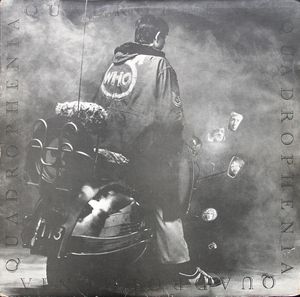
Love, Reign O'er Me
Closing side two of Quadrophenia, "Love, Reign O'er Me" is Pete Townshend’s operatic climax—an emotionally devastating ode delivered with Roger Daltrey’s powerhouse vocal. The song embodies The Who’s move into grand thematic statements and complex rock arrangements, combining orchestral textures with raw, cathartic rock dynamics. Its dramatic structure and confessional lyrics amplify the album’s themes of identity and alienation, and the track has been lauded as one of Daltrey’s finest vocal performances. Over time it has become a staple of arena setlists and soundtrack placements, illustrating how The Who translated rock ambition into heartfelt spiritual release.
Substitute
"Substitute" stands as one of The Who’s sharpest early singles—an incisive pop-punk precursor that blended clever wordplay with propulsive rhythm. The track’s distinctive guitar riff and Townshend’s sardonic lyrics about identity and alienation struck a chord with 1960s youth, elevating the band’s profile in Britain and abroad. Musically, the song foreshadowed the more aggressive, concise songwriting that would influence punk and power-pop bands in later decades. As a fan favorite, "Substitute" reinforced The Who’s knack for pairing smart, socially aware lyrics with a tight, hard-hitting band performance that could ignite both radio listeners and live audiences.
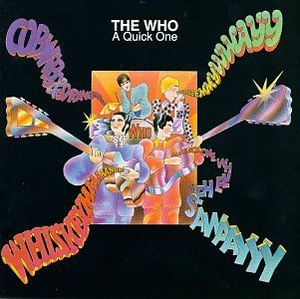
The Kids Are Alright
"The Kids Are Alright" captures The Who’s early blend of youthful optimism and melodic drive, written by Pete Townshend as a concise, jangly pop-rock gem. Though originally released as a single, the song became a staple of the band’s live sets and a cultural touchstone for the mod generation, celebrated for its singalong chorus and heartfelt lyricism. Its approachable arrangement showcased the band’s songwriting versatility at a time when they were moving beyond raw R&B covers into original material. The track’s enduring appeal helped cement The Who’s reputation for writing memorable melodies as well as explosive rock anthems, and it later lent its title to the acclaimed documentary The Kids Are Alright, reinforcing the song’s role in defining the band’s early identity.
The Who’s legacy rests on a rare combination of raw live power, ambitious studio innovation and songwriting that captured the complexities of modern life. These ten songs track the band’s evolution from mod provocateurs to architects of rock opera and arena spectacle—each track representing a milestone in artistry, cultural resonance and influence. For new listeners and longtime fans alike, this Top 10 offers a concentrated path through The Who’s vast catalog: start here, then explore deeper albums and rarities to fully appreciate the band’s enduring impact on the sound and spirit of rock music.
Last Updated: 2/26/2026