
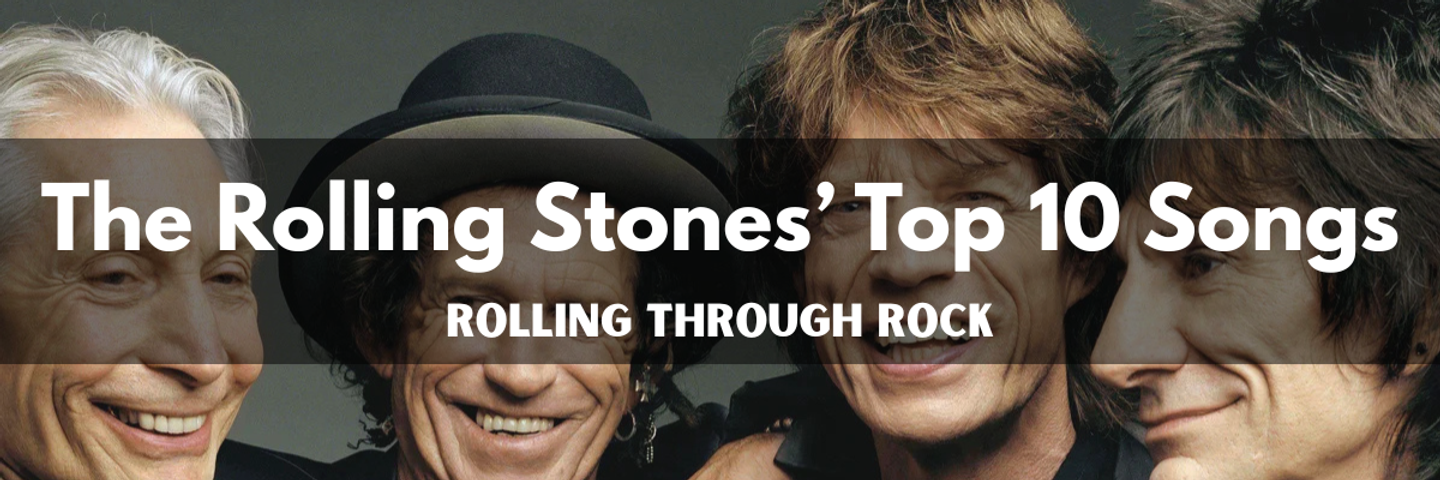
Rolling Through Rock: The Rolling Stones’ Top 10 Songs of All Time
Listen on Spotify
Dive into the electrifying legacy of The Rolling Stones, legendary pioneers of rock and roll. From chart-topping anthems to timeless ballads, discover the band’s ten greatest tracks that have shaped music history.
The Top 3
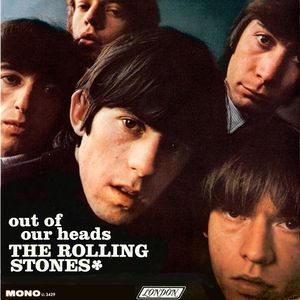
(I Can’t Get No) Satisfaction
Out of Our Heads · 1965(I Can’t Get No) Satisfaction claims the top spot for its groundbreaking riff and anthemic defiance. Released in June 1965, the song’s fuzz-infused guitar pattern by Richards defined a generation of rock music. Its critique of consumer culture and media saturation tapped into youthful discontent, propelling The Rolling Stones to superstardom. Recognized by Rolling Stone magazine as the greatest song of all time, its influence on rock musicians and pop culture is immeasurable. From its first distorted notes to the final, defiant mantra, Satisfaction remains the ultimate expression of rock rebellion—proof that The Rolling Stones not only made music history but wrote the rulebook.
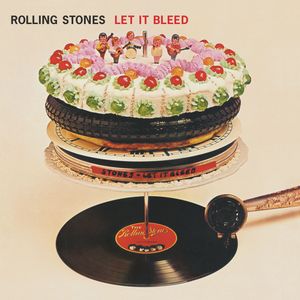
You Can’t Always Get What You Want
Let It Bleed · 1969Closing out Let It Bleed, You Can’t Always Get What You Want combines majestic choir vocals with poignant lyrics about desire and disappointment. Released in December 1969, the song’s epic structure and orchestral sweep demonstrate the Stones’ ambition. Recorded with the London Bach Choir, the track transitions from a gentle hymn-like opening to a full-blown rock finale, symbolizing the ups and downs of life. Mick Jagger’s reflective verses and the sing-along chorus resonate with fans as a universal anthem of hope and acceptance. This song remains a concert climax, often inviting thousands of voices to join in, showcasing the band’s unparalleled ability to unite audiences worldwide.
Gimme Shelter
Let It Bleed · 1969Gimme Shelter is often regarded as The Rolling Stones’ most urgent and powerful recording. Released on the December 1969 album Let It Bleed, its apocalyptic tone captured the chaos of the era. Merry Clayton’s unforgettable backing vocals—recorded in the early hours after she was urged to come straight to the studio—add a chilling, gospel-infused urgency. Richards’ ominous guitar riff and Watts’ relentless drumming create a sense of impending doom that’s impossible to ignore. Frequently used in films and documentaries about the 1960s, Gimme Shelter endures as a stark reminder of rock’s ability to reflect societal turmoil and human resilience.
Honorable Mentions
Paint It Black
Paint It Black is a groundbreaking track that incorporates sitar and Eastern influences into a rock framework. Released in May 1966, it became the Stones’ first number-one hit in both the UK and the U.S. Bill Wyman’s driving bass line and Brian Jones’ distinctive sitar riff create a dark, hypnotic atmosphere that was revolutionary at the time. The song’s themes of grief and obsession struck a chord with a generation grappling with social upheaval and the Vietnam War. Paint It Black’s innovative fusion of styles paved the way for future worldbeat and psychedelic rock artists, cementing its place as a pivotal moment in the band’s evolution.
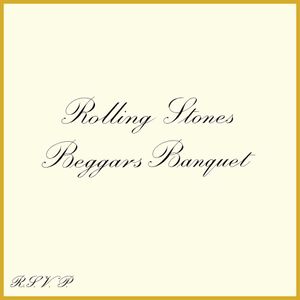
Sympathy for the Devil
Sympathy for the Devil showcases The Rolling Stones’ experimental side, blending samba rhythms with dark, provocative lyrics. Released in December 1968, the track marked a shift towards more sophisticated, thematic songwriting. Narrated from the perspective of Lucifer, the song traverses historical atrocities, challenging listeners to confront humanity’s darker impulses. Nicky Hopkins’ haunting piano and the hypnotic percussion create an unsettling groove that amplifies the narrative. With its blend of literary ambition and musical innovation, Sympathy for the Devil remains one of the band’s most audacious masterpieces, frequently cited as a highlight of rock history.
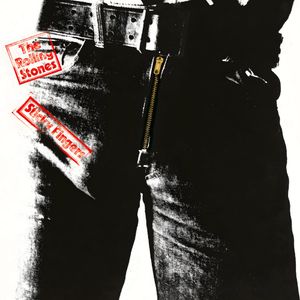
Brown Sugar
Brown Sugar bursts out with a raw, infectious riff and funky groove, showcasing the Stones at their most daring. Released in April 1971, it became the band’s second number-one single in the U.S. Lyrically provocative, the song intertwines themes of race, freedom, and controversy—a hallmark of Mick Jagger’s fearless songwriting. Producer Jimmy Miller’s vibrant drum arrangement and Richards’ incendiary guitar work combine for a track that’s both thrilling and provocative. Despite early critiques of its subject matter, Brown Sugar has endured as a live favorite, closing many a concert with its electrifying energy.
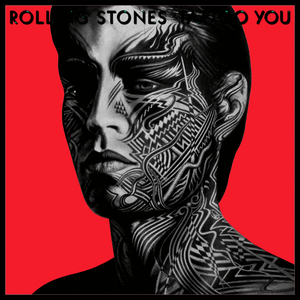
Start Me Up
With its instantly recognizable guitar riff and driving beat, Start Me Up revitalized The Rolling Stones in the early ’80s. The lead single from Tattoo You became a global hit, topping charts and introducing the band to a new generation. Born from an outtake during the 1978 Some Girls sessions, the song’s infectious groove and Jagger’s swaggering vocals make it an arena rock anthem. Its enduring presence in commercial campaigns and sports arenas underscores its universal appeal. Start Me Up remains a highlight of their live shows, often kicking off the set with explosive energy and reminding audiences why the Stones are still unstoppable on stage.
Wild Horses
Opening with a delicate acoustic intro, Wild Horses stands out for its raw emotional power and country-tinged arrangement. Featured on the 1971 album Sticky Fingers, it reflects the band’s exploration of roots music and heartfelt storytelling. Mick Jagger’s vulnerable lyrics about love and separation contrast beautifully with Keith Richards’ signature guitar riff, creating a ballad that’s both intimate and epic. The track was recorded in Muscle Shoals, Alabama, adding to its authentic Southern feel. Today, Wild Horses is celebrated as one of rock’s greatest slow burners, often cited by music critics and fellow artists as a masterclass in songwriting and arrangement.
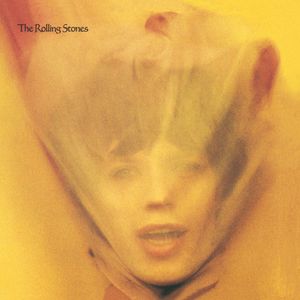
Angie
Angie is a poignant ballad that highlights the band’s softer side, showcasing Mick Jagger’s emotive vocals over a gentle piano backdrop. Released in August 1973, the song topped charts worldwide, becoming one of The Rolling Stones’ most successful singles. The haunting melody and introspective lyrics capture a moment of vulnerability rarely heard in their catalog. Rumored to reference Keith Richards’ daughter, Angela, the track offers a glimpse into the band’s personal lives and songwriting depth. Over the years, Angie has remained a staple in live performances, resonating with fans across generations and solidifying its place as a timeless classic.
The Rolling Stones’ catalog is a testament to rock’s power to challenge, inspire, and endure. From the rebellious roar of (I Can’t Get No) Satisfaction to the haunting beauty of Angie, these ten songs capture the band’s unparalleled artistry and lasting impact on music history. Whether you’re a lifelong fan or a newcomer, digging into these tracks offers a journey through decades of innovation, emotion, and pure rock ’n’ roll magic. Keep exploring, and let The Stones’ timeless anthems rock your world.
Last Updated: 11/28/2025