

Pink Floyd 十大經典歌曲 — 歷年最偉大金曲終極排行榜
在 Spotify 上收聽
來自倫敦的英國搖滾先驅 Pink Floyd,以宏大的概念專輯與前衛的聲響實驗,徹底改寫了前衛搖滾與迷幻搖滾的樣貌。這份十大歌曲清單綜合了影響力、受歡迎程度、榜單成績及深遠的文化意義,為您盤點該樂團最關鍵的代表曲目。
前三名
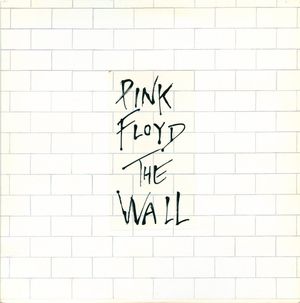
Comfortably Numb
The Wall · 1979Comfortably Numb is widely regarded as Pink Floyd’s finest single song: a perfect convergence of emotional lyricism, vocal interplay, and two of rock’s most beloved guitar solos. The track pairs Roger Waters’ introspective, disassociated verses with David Gilmour’s soaring, melodic solos, creating a profound contrast between psychological distance and expressive release. Its solos are frequently cited among the greatest guitar moments in modern music and have been central to the band’s live mythology. Commercially and culturally, Comfortably Numb has become a cornerstone of rock radio and an emotional touchstone for listeners confronting alienation and healing. Though the single’s chart performance was modest compared with pop hits, the song’s legacy is immense: it is a staple of 'best of' lists, guitarist polls, and retrospective critical assessments. From a production standpoint, Comfortably Numb exemplifies The Wall’s layered studio work—clean, echoing vocals, dense textural build, and guitar tones that balance clarity and emotional grit—making it the definitive distillation of Pink Floyd’s strengths as songwriters, performers, and sonic architects.
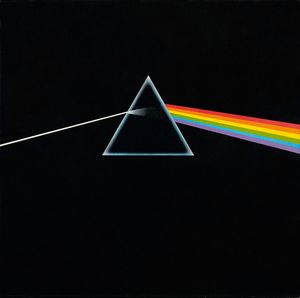
Brain Damage / Eclipse
The Dark Side of the Moon · 1973Brain Damage and its closing jewel Eclipse form the philosophical and musical summit of The Dark Side of the Moon. Brain Damage’s lyrics meditate on mental breakdown and the pressures of fame—images inspired in part by Syd Barrett—before resolving into Eclipse’s sweeping, conclusive refrain: 'and everything under the sun is in tune.' Together the tracks deliver the album’s thematic resolution and showcase Pink Floyd’s ability to fuse potent lyricism with irresistible musical closure. Although not released as a dominant single, the Brain Damage/Eclipse sequence is widely regarded as one of the most effective album closers in rock history and has influenced countless artists and concept albums since. The pieces were essential to the record’s critical stature and enduring popularity, demonstrating how melodic resolution and thematic clarity can coexist with experimental studio techniques. Production-wise, the seamless segue, vocal layering, and the triumphant, almost orchestral arrangement underline the band’s mastery of album-level storytelling.
Another Brick in the Wall, Part 2
The Wall · 1979Another Brick in the Wall, Part 2 became Pink Floyd’s most overtly political and commercially visible single: a defiant schoolyard chorus featuring a children’s choir and a memorable, chant-like hook. The song crystallized The Wall’s critique of oppressive institutions and struck a cultural nerve—its slogan-like chorus made it an anthem for rebellion and critique of rigid education systems. Commercially, the track reached the top of charts in multiple countries and exposed Pink Floyd to an even wider pop audience, while also provoked controversy and debate for its confrontational message. In the band’s evolution, the single demonstrated Roger Waters’ increasingly dominant thematic voice and appetite for direct social commentary. Production highlights include the use of a real school choir and a deliberately anti-slick sonic treatment that emphasizes aggression and sing-along power over studio polish.
佳作

Money
Money is Pink Floyd’s most commercially recognizable single: a darkly ironic meditation on greed built around a distinctive 7/4 riff, tape-looped cash register sounds, and a bluesy, biting guitar solo. The track provided a rare radio-friendly hook for a band otherwise known for lengthy album pieces, helping introduce Pink Floyd to a broader audience and driving album sales worldwide. On commercial charts, Money became one of the band’s biggest singles, helping to propel The Dark Side of the Moon to multi-platinum status. Culturally, the song turned into a shorthand critique of materialism and remains one of classic rock radio’s most-played tracks. The production is notable for its inventive use of found sounds and rhythmic displacement, and for the polished mix that balanced studio experimentation with mainstream accessibility.
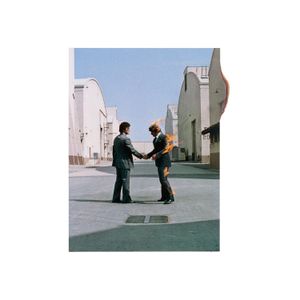
Wish You Were Here
Wish You Were Here is Pink Floyd’s most direct emotional statement—a spare acoustic ballad that balances melancholy, longing, and tribute. The song’s memorable acoustic guitar intro and crystalline vocal melody made it an immediate favorite and a frequently requested track at concerts and on radio. Lyrically, it resonates as both a personal message to Syd Barrett and as a broader meditation on absence, art, and authenticity. Commercially, Wish You Were Here helped the album become one of Pink Floyd’s best-selling records, with the title track frequently highlighted in reviews and retrospectives. Culturally, the song has been used in memorial contexts and remains a go-to anthem for listeners seeking Pink Floyd’s human side. Its production is intentionally uncluttered—acoustic guitars, subtle electric fills, and transparent vocal production—emphasizing songwriting and emotional clarity over studio excess.
Shine On You Crazy Diamond
Shine On You Crazy Diamond is a sprawling tribute to founding member Syd Barrett—an elegiac, nine-part suite that bookends Wish You Were Here. The piece is both a mournful celebration and an eerie portrait: its piercing guitar phrases and languid keyboards evoke Barrett’s genius and tragic decline. As a composition it exemplifies Pink Floyd’s talent for long-form thematic writing and their capacity to weave personal narrative into sonic architecture. Although not a conventional single, Shine On’s emotional depth made it central to the band’s artistic identity in the mid-1970s. Its cultural significance lies in the way it memorializes Barrett while pushing the band’s music toward introspective grandeur. Production stories about the track often cite the band’s painstaking studio time—layered guitars, sustained synth textures, and slow-building dynamics—making the suite a high-water mark in Pink Floyd’s use of studio layering and mood-building.
Time
Time opens with one of rock’s most famous clock-and-alarm introductions before unfolding into a meditation on aging, urgency, and wasted potential. David Gilmour’s plaintive solos and the band’s tight rhythmic interplay make Time both musically thrilling and thematically profound. The song encapsulates the philosophical bent of Dark Side of the Moon while showcasing Gilmour’s emergence as a definitive rock guitarist. Commercially, Time helped anchor Dark Side’s universal appeal even though the album’s singles were not the traditional engines of its success; rather the record’s cumulative strength drove sales. Time’s cultural impact is significant—its opening sequence is instantly recognizable and has been used in films, documentaries, and countless playlists. Production-wise, the track is a demonstration of the band’s meticulous studio craft, from the layered percussion to the spatial placement of guitar and vocals that give the piece its emotional weight.
Us and Them
Us and Them is one of Dark Side of the Moon’s most elegiac and affecting tracks, pairing David Gilmour’s soulful guitar and Rick Wright’s haunting piano with Roger Waters’ sharp social commentary. The song’s restrained dynamics and haunting saxophone parts create a contemplative space where the themes of conflict, empathy, and human division are explored with nuance and emotional depth. While not a massive chart single, Us and Them’s importance is measured in its critical acclaim and its role in shaping the album’s narrative and emotional contour. The song became a staple of classic rock radio and cemented the record’s reputation as a meditation on modern life. In the studio, the track showcases the band’s advanced use of studio coloration—tape loops, nuanced mixing, and thoughtful arrangement—contributing to the cohesive sound that made Dark Side a milestone in rock production.
Hey You
Hey You is a plaintive, acoustic-led plea from The Wall that encapsulates the album’s themes of isolation and the human cost of fame. Sung with emotional intensity, the song serves as one of the record’s more intimate moments, offering a glimpse of vulnerability amid theatrical rock arrangements. Its lyrics and melodic immediacy make it a fan favorite and a key narrative moment inside the album’s rock-opera arc. Although not released as a major standalone chart single on the scale of Another Brick in the Wall, Part 2, Hey You contributed to The Wall’s commercial dominance and critical reputation. The track’s cultural resonance lies in its universal message of alienation and the cry for reconnection, which many listeners identify with regardless of the album’s broader concept. From a production perspective, Hey You mixes sparse acoustic textures with layered electric guitars and subtle studio effects, demonstrating the band’s ability to balance intimacy with cinematic scope.
Echoes
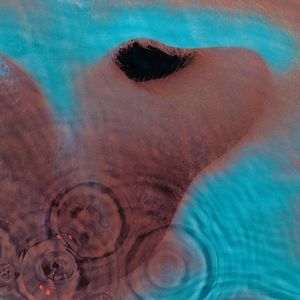
Echoes stands as Pink Floyd’s 23-minute epic that transformed the band from psychedelic oddities into masters of extended composition. Occupying the entire B-side of Meddle, the track blends hypnotic organ motifs, sliding guitar panoramas, and experiment-driven soundscapes that showcase the band’s willingness to treat the studio as an instrument. As a compositional statement, Echoes bridged the band’s early exploratory experiments with the thematic cohesion they would later bring to albums like Dark Side of the Moon. Commercially, Echoes was not a conventional single, but it became central to Pink Floyd’s live reputation; the track’s length and dynamic range allowed for spectacular live improvisation and visual accompaniment that helped build the mythic status of their concerts. Culturally, Echoes influenced progressive rock’s appetite for long-form tracks and remains a touchstone for listeners who value immersive musical journeys. Production-wise, the song is notable for its underwater piano-like effects, tape loops, and Richard Wright’s atmospheric keyboards—techniques that foreshadowed the band’s studio innovations later in the decade.
Pink Floyd’s legacy rests on their rare combination of ambitious concept, studio innovation, and melodic craftsmanship. These ten songs illustrate the band’s trajectory—from meditative psychedelia and long-form experiments to radio-penetrating singles and colossal concept albums—each track contributing to the story of a band that changed how music could convey idea and emotion. Together these songs define why Pink Floyd remains essential: they are emotionally resonant, sonically adventurous, and historically significant. Listeners new and old are encouraged to use this ranking as a guide, but to explore the full albums and live catalogs where Pink Floyd’s artistry truly unfolds.
最後更新:2/14/2026