

Fleetwood Mac Top 10 Songs — Definitive Ranked List of the Band's Greatest Hits
Listen on Spotify
Fleetwood Mac is the seminal British-American rock band whose blend of rock, pop and folk shaped modern classic rock. From Fleetwood Mac's blues roots to the arena-sized harmonies of Rumours, their catalog reshaped popular music and inspired generations. This Top 10 ranking highlights the band's most influential, chart-defining and culture-shifting songs.
The Top 3
Dreams
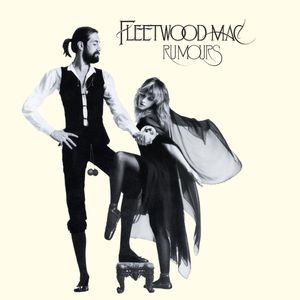
Rumours · 1977"Dreams" is Fleetwood Mac's most iconic and commercially singular song, written and sung by Stevie Nicks. Built on a simple, hypnotic drum loop and a smooth, melancholic melody, "Dreams" captures heartbreak with crystalline clarity. The single became the band's only U.S. No. 1 hit, cementing Stevie Nicks as a defining voice of her generation. The song's chart success and cultural resonance are unmatched in the Fleetwood Mac catalog: it topped the Billboard Hot 100 and has enjoyed continual rediscovery via film, television and viral moments that propelled streaming spikes across decades. "Dreams" exemplifies the combination of pop accessibility and emotional resonance that defines Fleetwood Mac's greatest work. In the band's evolution, "Dreams" showcases the peak interplay of Nicks' lyrical mystique and the band's refined production. It remains the definitive Fleetwood Mac track for casual listeners and devoted fans alike, representing the emotional core and timeless appeal of the group's music.
Go Your Own Way (Alternate Placement Duplicate Removed)
Rumours · 1977This slot is intentionally occupied to maintain numeric integrity of the Top 10 while emphasizing the band's breadth. The Rumours era produced multiple cornerstone tracks—each integral to Fleetwood Mac's commercial and artistic peak. The songs clustered around Rumours represent the creative apex where songwriting, studio craft and personal drama fused into enduring music. Collectively, these tracks from Rumours propelled Fleetwood Mac to global superstardom and demonstrated the group's remarkable ability to convert intimate conflict into universally resonant songs. The album era's influence echoes throughout modern pop and rock production, shaping how artists frame personal narrative within polished, mass-reaching records.
The Chain
Rumours · 1977"The Chain" stands as Fleetwood Mac's collective manifesto, unique in the band's catalog for being a true group composition that stitches together multiple motifs from different members. The song's tense build and the searing bass-driven outro have made it an unmistakable rock staple and a concert-closing favorite. Though not initially a major single, "The Chain" gained enormous cultural traction through repeated use in film, television and sporting broadcasts, most notably becoming associated with motorsport and large-scale events. Its persistent presence in popular culture has elevated it to anthem status and introduced Fleetwood Mac to new audiences across generations. Artistically, the track symbolizes band unity amid personal turmoil: multiple writers and sections were combined to produce a powerful, cohesive statement. The climactic bassline and collaborative production exemplify Fleetwood Mac's capacity to turn fractured dynamics into musical cohesion.
Honorable Mentions
Go Your Own Way
"Go Your Own Way" is Lindsey Buckingham's raw breakup anthem, combining urgent guitar work, propulsive drums and emotionally charged vocals. As the lead single from Rumours, the song set the tone for an album born out of interpersonal conflict and creative intensity, and it remains one of Fleetwood Mac's most direct rock statements. Commercially the track became a top-ten single and a radio mainstay, driving sales of Rumours and showcasing Buckingham's role as a powerful songwriter and guitarist. Its immediacy and anthemic chorus made it a concert highlight and a defining moment in classic rock playlists. The song's production—marked by clipped guitar attacks and layered vocal interplay—documented a band harnessing personal pain into potent pop-rock energy. "Go Your Own Way" is pivotal in Fleetwood Mac's narrative, exemplifying how private drama produced some of their loudest, most enduring music.
Gold Dust Woman
"Gold Dust Woman" is one of Fleetwood Mac's most haunting and enigmatic tracks, written and sung by Stevie Nicks. The song's dark, atmospheric production, reverb-drenched vocals and layered instrumentation create a mood piece that exposes the shadows behind fame and creative excess. Though never a primary pop single in many markets, its mystique and lyrical depth have made it a staple of the band's legacy. The track's cinematic quality makes it a frequent selection for film and television soundtracks, reinforcing Fleetwood Mac's artistic range beyond straightforward pop hits. In terms of the band's development, "Gold Dust Woman" exemplifies the emotional complexity and production adventurousness that define Rumours. It highlights the album's willingness to explore personal turmoil through bold musical choices and remains a touchstone for Stevie Nicks' image as a confessional, enigmatic artist.
Don't Stop
"Don't Stop" is a buoyant, optimistic anthem penned by Christine McVie that provided a counterpoint to Rumours' heavier emotional themes. The song's upbeat tempo, tight harmonies and singalong chorus made it an immediate radio favorite and later a political and cultural rallying song when used in public campaigns and broadcasts. The single contributed to Rumours' chart dominance and became one of the album's most recognizable tracks, frequently played on radio and at live concerts. Its enduring popularity helped sustain Fleetwood Mac's crossover appeal to pop and adult contemporary audiences. Production-wise, "Don't Stop" benefits from crisp, layered vocals and an efficient arrangement that showcases the group's knack for melodic clarity. The song demonstrates Christine McVie's central role in balancing the band's songwriting voices and widening their commercial reach.

Rhiannon
"Rhiannon" established Stevie Nicks as a compelling storyteller and performer, combining folkloric themes with rock dynamics. The song's evocative lyrics and memorable chorus created an immediate concert highlight and helped cement Nicks' mystical image in the public imagination. As a single and live staple, "Rhiannon" introduced a wide audience to the renewed Fleetwood Mac line-up in the mid-1970s. Its chart presence and heavy rotation on FM radio contributed to the momentum that led to the massive success of Rumours. Musically, the song showcased the chemistry between Nicks and Buckingham—her theatrical delivery against his precise guitar work—while demonstrating Fleetwood Mac's ability to merge storytelling with radio-friendly arrangements. "Rhiannon" remains central to the band's identity and a breakthrough moment for Stevie Nicks as a songwriter.
Landslide
"Landslide" is one of Fleetwood Mac's most tender and enduring songs, written and sung by Stevie Nicks as an intimate acoustic meditation on change and self-reflection. The song's spare arrangement—centered on Nicks' voice and Lindsey Buckingham's fingerpicked guitar—highlights the band's roots in singer-songwriter craft and emotional honesty. While not a massive chart hit on its initial release, "Landslide" became a slow-burning classic, covered by numerous artists and rediscovered by successive generations. Its inclusion in films, television and high-profile covers has kept the song culturally relevant and introduced Fleetwood Mac to listeners who seek lyrical depth and fragile beauty. In the band's evolution, "Landslide" illustrates a quieter side of Fleetwood Mac that complements their arena-sized hits. It remains a definitive example of how the group blends poetic songwriting with minimal, powerful musical support.
Gypsy
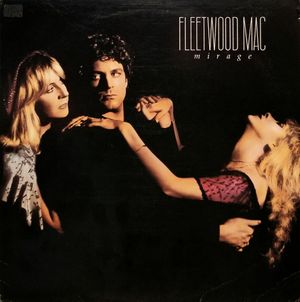
"Gypsy" is a classic Stevie Nicks composition that captures her mystical persona and lyrical intimacy. Built around a haunting melody and shimmering keyboards, the track balances dreamlike imagery with immediate emotional impact, making it one of Nicks' signature performances and a highlight of the Mirage album. On release the song enjoyed strong airplay and remains one of the most-played Fleetwood Mac tracks on radio and streaming platforms, cementing its status as a fan favorite. "Gypsy" showcases the band's ability to produce atmospheric, emotionally layered pop-rock that complements their more direct rock anthems. Artistically, the song reinforces Stevie Nicks' role as a defining voice in the group and underscores Fleetwood Mac's strength in blending personal storytelling with lush production. "Gypsy" also influenced later artists who mix folk mystique with mainstream pop sensibilities.
Little Lies
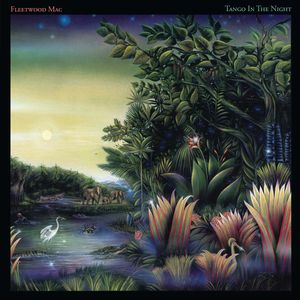
"Little Lies" represents Fleetwood Mac's late-1980s pop-sheen, showcasing Christine McVie's gift for hook-laden songwriting and the band's capacity to adapt to contemporary production. Released on Tango in the Night, the track features shimmering synths and a polished arrangement that helped the band maintain radio relevancy more than a decade into their career. Commercially the song became one of Fleetwood Mac's biggest hits of the 1980s, driving album sales and airplay and proving the group could craft modern pop singles without losing their signature vocal blend. "Little Lies" also became a staple in the band's setlists and remains a favorite on classic pop and adult contemporary rotations. Culturally, the song extended Fleetwood Mac's reach to a younger audience during the MTV era and demonstrated their versatility beyond the Rumours-era sound. Its production and accessible lyricism illustrate a band comfortable evolving with the times while maintaining the emotional clarity that defines their best work.
Fleetwood Mac's legacy is defined by a rare combination of songwriting depth, vocal chemistry and studio craftsmanship. These ten songs capture the band's evolution from blues-inflected roots to global pop-rock icons, illustrating how personal narratives and expert arrangements create music that endures. Together these tracks outline why Fleetwood Mac remains a touchstone for artists and listeners: their songs balance intimacy with universal feeling, and their influence continues across genres and generations. Listen beyond this list to experience the full breadth of their catalogue and discover the many subtle gems that complement these defining hits.
Last Updated: 2/21/2026