What Is Nu Metal? The Rise, Fall, and Return of Metal's Most Hated Genre
Intro
For about five years, nu metal was the biggest sound in heavy music. Then it became the punchline. Korn, Limp Bizkit, Linkin Park, and Slipknot sold tens of millions of records, owned MTV, and headlined every festival worth the name, and then the same culture that crowned them spent the next decade pretending it never happened.
Now it's back, and the kids leading the revival weren't even born when Hybrid Theory came out.
So what is nu metal, actually? Not "bad metal," which is how a lot of people still use the word. It's a specific fusion with a specific recipe, a real history, and a comeback that says something about how heavy music ages. Here's the rise, the fall, and the return.
What nu metal actually is
Nu metal is metal that swallowed hip-hop, funk, and industrial and refused to apologize for it. Strip it down and a few traits show up again and again.
The guitars are down-tuned and groove-first. Players reach for seven-string guitars and slack, detuned riffs built for bounce rather than speed. The flashy guitar solo, sacred in older metal, mostly disappears. In its place: a heavy, syncopated chug that locks to the drums and leaves space for the song to breathe.
The rhythm section runs the show. Bass is loud, slapped, and melodic in a way thrash never allowed. Drums borrow swing and groove from hip-hop more than the blast beats of extreme metal.
The vocals refuse to pick a lane. A nu metal singer might rap a verse, scream a bridge, and sing a clean, aching chorus inside one song. That emotional whiplash, raw aggression sitting right next to vulnerability, is the genre's real signature, and it's a big reason it connected with so many teenagers who felt both things at once.
And the words got personal. Where older metal sang about war, fantasy, and Satan, nu metal turned inward to trauma, alienation, bullying, and family damage. That confessional streak read as embarrassing to its critics and as a lifeline to its fans. Both groups were hearing the same thing.
Where it came from: the precursors
Nu metal didn't appear out of nowhere. Through the late '80s and early '90s, a run of bands kept smashing metal into everything around it. Faith No More fused metal with funk, hip-hop phrasing, and Mike Patton's unhinged range. Rage Against the Machine welded rap to riffs with Tom Morello's effects-drenched guitar. Living Colour and the Red Hot Chili Peppers proved that funk and heavy rock could share a body.[^1]
The cross-pollination kept building until Sepultura's Roots (1996) pushed groove, tribal rhythm, and down-tuned heaviness into the mainstream metal conversation. By the mid-'90s, the ingredients were all on the table. It took one band to mix them into something genuinely new.
The rise: Korn lights the fuse
That band was Korn, out of Bakersfield, California, whose self-titled debut landed on October 11, 1994.[^2] Korn took the rap-metal experiments of Faith No More and Rage and twisted them into something darker and stranger: seven-string guitars detuned into a queasy low end, Jonathan Davis lurching between rap, scream, sob, and bagpipes, and lyrics that dug straight into childhood abuse and shame. It was brutal and danceable at the same time, and it eventually sold in the multi-millions while reshaping what heavy music could sound like.
Korn's Follow the Leader (1998) pushed the sound fully overground. The floodgates opened behind it. Limp Bizkit turned rap-rock into a frat-party juggernaut with Significant Other (1999) and Chocolate Starfish and the Hot Dog Flavored Water (2000), both of which moved more than ten million copies. Slipknot's masked, nine-man assault arrived with their 1999 self-titled major-label debut and dragged a heavier, more extreme strain of the sound into the mainstream.
The peak: total takeover
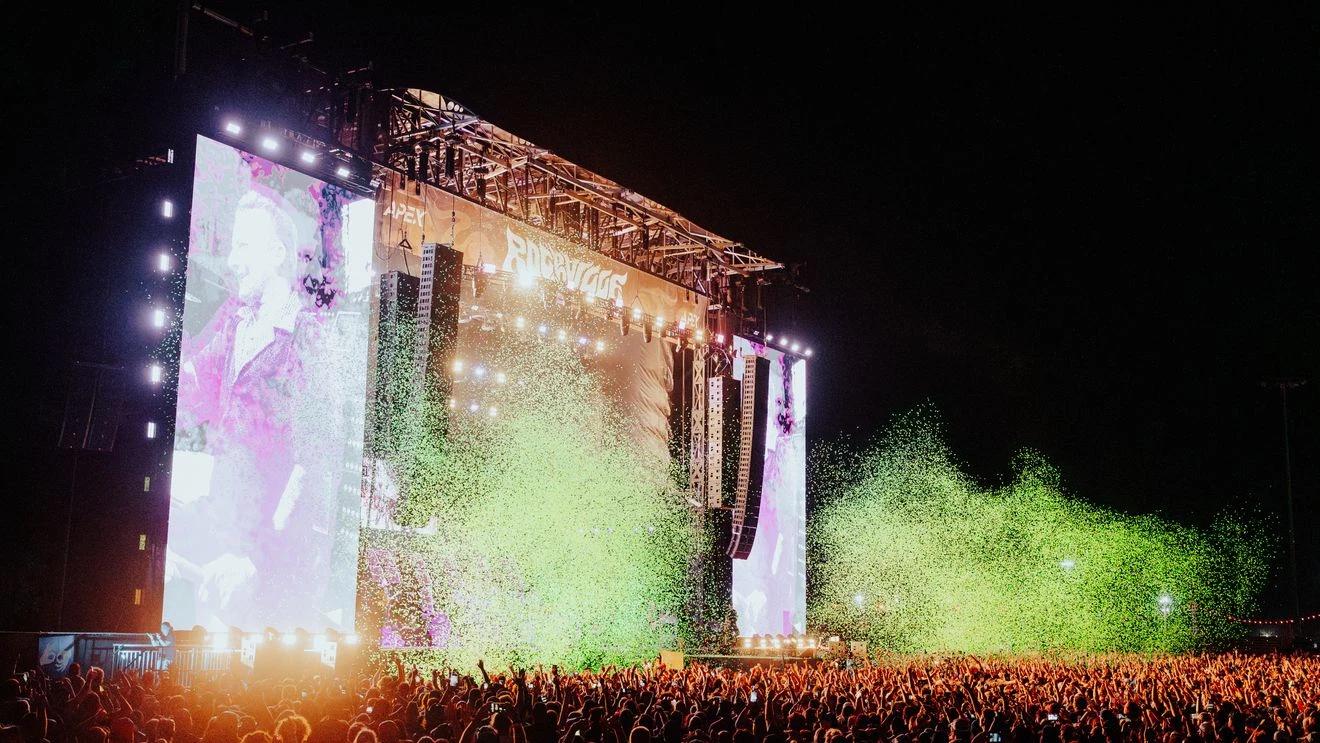
From roughly 1998 to 2003, nu metal owned heavy music.[^3] It ruled MTV's Total Request Live, rock radio, and the Billboard charts at a scale metal almost never reaches. The high-water mark came in 2000, when Linkin Park released Hybrid Theory. Cleaner and more pop-literate than its peers, leaning on Mike Shinoda's rapping and Chester Bennington's enormous voice, it became one of the best-selling debut albums in history, moving more than twenty million copies worldwide.
This was the moment heavy music was, briefly, the most popular music on the planet. Deftones were in the mix too, though they're the genre's permanent asterisk: lumped in by the press, often disowned by the band, and arguably too arty and atmospheric to sit comfortably under the label at all.
The fall: from the top to the punchline
Then it cratered, and fast. By the mid-2000s nu metal had become an industry cliché, the market flooded with interchangeable bands chasing the same down-tuned formula. Several big-name releases underperformed, and the press that built the genre up turned on it with real venom.[^3]
The harshest contempt came from inside metal itself. Many older fans and musicians had watched nu metal both eclipse the music they loved and, to their ears, cheapen it, and they wanted it gone. The cultural tide moved on to metalcore, emo, and indie rock. By the back half of the decade, "nu metal" had hardened into an insult, shorthand for everything supposedly embarrassing about turn-of-the-millennium rock. Plenty of the bands that survived quietly buried their own sound and moved on.
The return: nu metal's unlikely revival
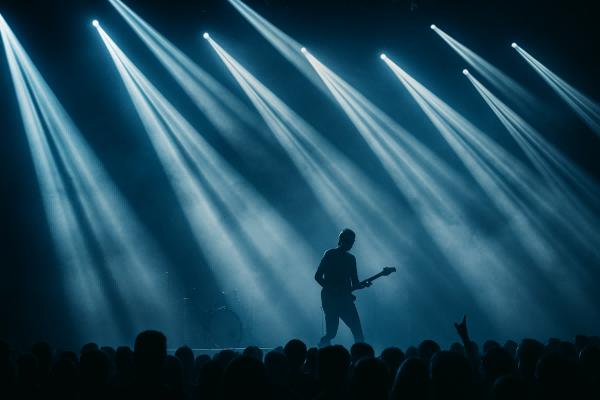
Here's the part nobody saw coming in 2008: nu metal came back, and it came back cool. The mid-2020s have run on a full-blown revival, powered by a mix of nostalgia, critical reappraisal, and a generation of new listeners who found Korn, Slipknot, and Linkin Park through TikTok, YouTube, and streaming with none of the old baggage attached.[^4]
To Gen Z, the genre isn't a guilty secret. It's a raw, emotional, maximalist sound that fits a moment, and a fresh crop of bands is building on it instead of hiding from it. Tallah blend nu metal with deathcore and industrial. Tetrarch and Wargasm chase the bounce and the bite. Loathe push the atmospheric, shoegaze-adjacent end. And crossover acts like Spiritbox fold nu metal's grooves and dynamics into the broader modern-metal conversation, with established metalcore bands increasingly circling back to the sound they grew up on.[^4]
Whether you call it a revival or just nu metal finally getting a fair hearing, the verdict has flipped. Metal's most hated genre is, against every prediction, one of its most alive.
The living scene: nu metal on The Band Index
History tells you where nu metal has been. The harder, more useful question is where it is right now, and that's the part a static encyclopedia entry can't keep up with.
The revival is moving fast, and a lot of the bands carrying it are too new to have settled into the reference books. That's the gap The Band Index is built for. The nu metal genre hub is a living, browsable list of the bands defining the sound, from the founders to the newcomers climbing right now, and every name links to its own page, discography, and community.
Came in through one band? Follow the thread: from the architects like Korn, Limp Bizkit, Linkin Park, and Slipknot to the new wave like Tallah, Loathe, and Spiritbox. You can see which nu metal bands are trending on The Band Index this week, vote for the ones you rate, and dig up the regional and underground acts most guides skip entirely.
→ Explore the nu metal hub on The Band Index and find your next favorite band.
Outro
Nu metal got declared dead, mocked for a decade, and then headlined the comeback anyway. It was hated because it was huge, and it's back because the thing at its core — aggression and vulnerability crammed into the same song, no apology offered — turned out to speak to more than one generation. Call it a guilty pleasure if you have to. The kids in the pit aren't feeling guilty about anything.
Palances Liao is the founder of The Band Index, the rock, metal, and heavy-music discovery platform. Five years in the scene turned into building the tool it needed — band rankings driven by real engagement, a genre map that runs from hard rock through metalcore to deathcore, and festival lineups kept accurate and current. The result is an unusual vantage point: writing grounded not in one critic's taste, but in how the whole scene actually moves. Experience & credentials - 🎧 In rock & metal since 2021 (five years), as founder of The Band Index - 🏗️ Built and runs TBI's band rankings, genre hubs, and festival-lineup coverage - ✍️ Writes TBI's US heavy-festival recaps and the "what is [genre]" explainer series How I work: I only claim first-hand experience of festivals I actually attended; everything else is verified against primary sources and labeled. I follow TBI's Editorial & Sponsored Content Policy. Corrections: [email protected].