

Nirvana: The Top 10 Songs That Defined a Generation
Listen on Spotify
A deep dive into Nirvana's most iconic tracks, exploring their history, impact, and why these top 10 songs remain essential. This article celebrates Nirvana's role in shaping alternative rock and guides listeners through the band's definitive recordings.
The Top 3
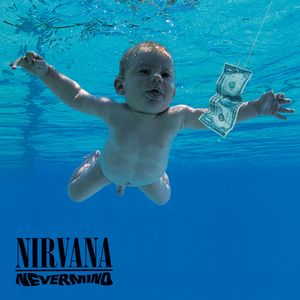
Smells Like Teen Spirit
Nevermind · 1991“Smells Like Teen Spirit” is the song most often credited with bringing grunge and alternative rock into the mainstream. With its irresistible riff, explosive dynamics, and anarchic chorus, the track became a generational anthem and MTV staple almost overnight. The music video — featuring a chaotic high-school gym punk show and a mosh-fueled climax — is iconic, and the song’s cultural footprint extends far beyond record sales. Beyond commercial success, “Smells Like Teen Spirit” reoriented the music industry, convincing labels and radio stations that alternative music could be a major commercial force. For Nirvana, the song was both a blessing and a burden — it made them global stars but also intensified Cobain’s ambivalence about fame. Nonetheless, the track remains one of the most influential rock songs of the 1990s and the centerpiece of Nirvana’s legacy.
Something in the Way
Nevermind · 1991“Something in the Way” closes Nevermind on a note of stark, unsettling calm. The song’s near-spoken vocals, minimal arrangement, and bleak lyrical imagery create a haunting portrait of isolation. It’s one of Nirvana’s most atmospheric tracks and has taken on an almost mythic quality among fans who interpret it as a window into Kurt Cobain’s psyche. Though never a major single, the track’s cultural resonance has grown over time, surfacing in film, television, and most recently gaining renewed attention after placement in contemporary media that introduced the song to younger listeners. Its quiet intensity contrasts sharply with Nevermind’s anthems, reminding listeners of the band’s range and Cobain’s lyrical depth.

Heart-Shaped Box
In Utero · 1993Released as the lead single from In Utero, “Heart-Shaped Box” signaled a darker, more confrontational chapter for Nirvana. The song’s unsettling melody, heavy production, and cryptic lyrics created an atmosphere of unease that fans and critics dissected for years. The eerie music video — featuring surreal imagery and symbolic motifs — became one of the decade’s most talked-about visuals and reinforced Cobain’s reputation as a compelling, if enigmatic, songwriter. Musically, the track blends hooks with abrasiveness, and its commercial success showed that Nirvana could evolve their sound without losing broad appeal. “Heart-Shaped Box” stands as a pivotal song in the band’s catalog, representing both artistic growth and the intensifying emotional stakes of Cobain’s work.
Honorable Mentions
Come As You Are
“Come As You Are” melds an instantly recognizable, watery guitar riff with ambiguous, inviting lyrics. The song’s seductive melody made it a staple of radio and helped drive Nevermind’s global success. Lyrically, the track balances openness and irony — invitations to authenticity that may themselves be performative. There was controversy about the riff’s similarity to Killing Joke’s “Eighties,” but that debate did little to dim the song’s influence. “Come As You Are” is a prime example of Nirvana’s ability to write memorable hooks that mask complex emotional content, and it remains one of the band’s most-played tracks on streaming platforms and radio rotations.
All Apologies
“All Apologies” is often heard as an elegy — spare, haunting, and achingly sincere. The song’s melodic richness and layered harmonies give it an almost hymn-like quality, while the lyrics suggest resignation and a search for peace. As one of In Utero’s most reflective moments, it provided a public-facing glimpse into Cobain’s conflicted inner life and became a key part of Nirvana’s later legacy. The MTV Unplugged performance of “All Apologies” is especially moving, showcasing the song’s vulnerability in an acoustic setting. Released as a single, the track received critical acclaim and remains one of the band’s most enduring compositions. It’s central to narratives about Nirvana’s emotional depth and the tragic arc of Cobain’s life and career.

About a Girl
“About a Girl” predates Nirvana’s mainstream breakthrough and highlights Kurt Cobain’s pop instincts. Written about his then-girlfriend Courtney Love, the song’s jangly riff and compact structure show Cobain’s debt to classic pop songwriting even during the band’s grungier early phase. It’s one of the more accessible tracks on Bleach and stands out among the album’s heavier, punk-inflected material. The MTV Unplugged acoustic performance later amplified the song’s appeal, revealing its emotional core in a stark, intimate setting. That Unplugged rendition introduced “About a Girl” to a wider audience and demonstrated how Nirvana could strip back distortion to expose the strength of Cobain’s songwriting. For fans tracing the band’s evolution, this song is a crucial bridge between underground grit and mainstream melody.
Lithium
“Lithium” exemplifies Nirvana’s dynamic songwriting: quiet, reflective verses explode into cathartic choruses. The title alludes to the mood-stabilizing medication, and the lyrics explore themes of grief, faith, and emotional paralysis. Musically, the song’s shifts from sparse arrangements to distorted power-chords showcase the band’s fluency with loud-quiet-loud dynamics that influenced a generation of alternative rock. A commercial single that fared well on rock radio, “Lithium” also displays Cobain’s ability to write earworm melodies around unsettling subject matter. The song’s balance of accessibility and intensity made it a cornerstone of Nirvana’s live sets and a frequent point of reference in reviews discussing the band’s emotional depth and musical contrasts.
In Bloom
“In Bloom” is a masterclass in contrast: an undeniably catchy, radio-ready chorus wrapped around sharp commentary on fandom and misunderstanding. The song’s driving riff and memorable melody made it a standout single from Nevermind, but its lyrics — mocking listeners who loved the sound without understanding the message — reveal Kurt Cobain’s ambivalence about fame. The music video, with its satirical take on 1960s variety-show tropes, became iconic and reinforced the song’s critique of commercialized music culture. Chart success and heavy MTV rotation helped cement “In Bloom” as one of Nirvana’s most recognizable tracks. The song remains a touchstone for discussions about authenticity in rock music and is an essential listen for anyone studying the band’s relationship with mainstream success.
Pennyroyal Tea
“Pennyroyal Tea” is raw and confessional, with a slow-burning tension that captures the darker undercurrents of Kurt Cobain’s songwriting. Written with stark imagery and a recurring plea for relief, the song’s title references an abortifacient herb, adding layers of interpretation to its themes of despair and escape. Musically, the track balances an intimate verse with a cathartic chorus that resonates long after the song ends. The track’s posthumous single release and the story of its planned but scaled-back promotion after Cobain’s death contribute to its melancholic lore. Fans and critics often cite “Pennyroyal Tea” as emblematic of In Utero’s raw honesty — it’s less polished than Nevermind-era singles and more confrontational emotionally. The song’s stripped arrangement and direct lyricism make it an essential piece of Nirvana’s catalogue for listeners seeking the band’s most personal moments.
Dumb
“Dumb” showcases Nirvana’s gift for combining deceptively simple melodies with emotionally complex lyrics. The song’s hushed verses and soaring choruses use dynamics to draw listeners into Kurt Cobain’s reflection on numbness and self-awareness. Its catchy, almost hymnal chorus — "I'm not like them, but I can pretend" — masks a deeper melancholy that many fans find painfully relatable. On In Utero, “Dumb” stands out for its relatively uncluttered arrangement and intimate vocal delivery, offering a counterpoint to the album’s abrasiveness. The track became a live favorite and a radio-friendly staple, demonstrating Nirvana’s ability to craft compact, pop-inflected songs without sacrificing emotional weight. For listeners exploring Nirvana beyond the hits, “Dumb” is a rewarding deep cut that highlights Cobain’s knack for blending melody with vulnerability.
Nirvana’s catalog is compact but enormously influential: a handful of albums and singles reshaped rock music and left an indelible cultural mark. The ten songs above map the band’s arc — from punk-tinged beginnings to stadium-changing anthems and intimate, haunting finales. Each track captures facets of Kurt Cobain’s songwriting: raw emotion, melodic gift, and a restless creative energy. If this list sparks curiosity, dive deeper into Bleach’s gritty textures, Nevermind’s seismic anthems, and In Utero’s raw honesty, plus the haunting MTV Unplugged performances that revealed the songs in a new light. Nirvana’s music still speaks to listeners across generations — explore it, listen closely, and let these songs show why the band remains essential in rock history.
Last Updated: 1/2/2026