
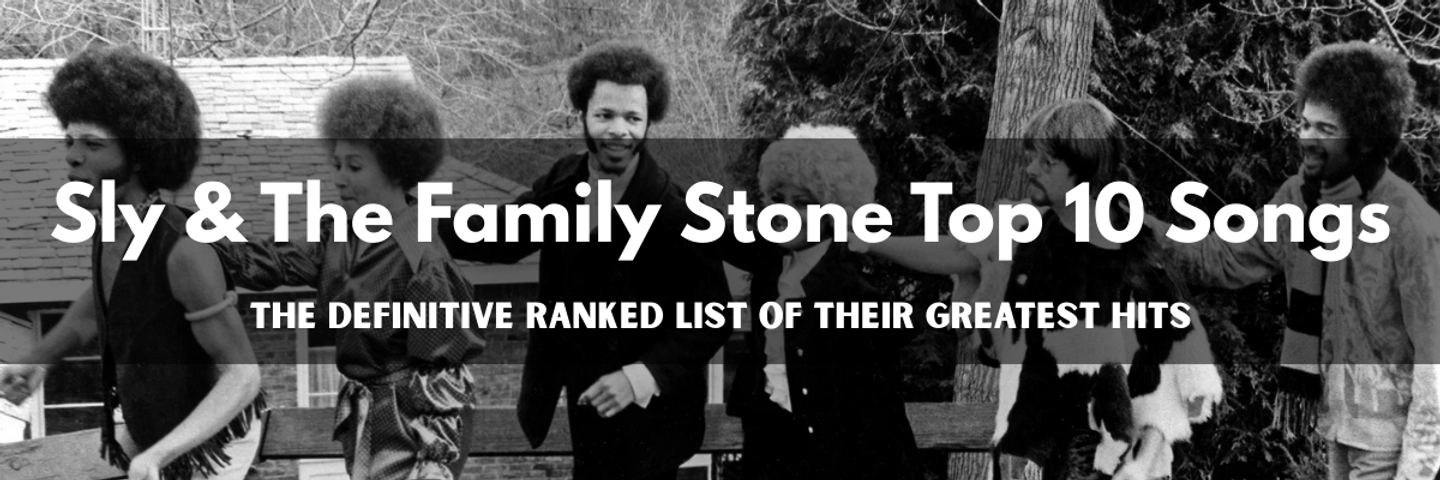
Sly & The Family Stone Top 10 Songs: Das definitive Ranking ihrer größten Hits
Auf Spotify anhören
Sly & The Family Stone, das bahnbrechende Soul-Funk-Kollektiv aus San Francisco, definierte die amerikanische Musik mit einer Fusion aus Funk, Soul, Rock und psychedelischen Rhythmen neu. Ihr genreübergreifender Sound und ihre sozialkritischen Texte prägten die Popkultur neu und inspirierten Generationen; dieses definitive Top-10-Ranking präsentiert die Songs, die ihre Innovation, ihren Charterfolg und ihren bleibenden Einfluss am besten einfangen.
Die Top 3
Everyday People
Stand! · 1968Topping this list, "Everyday People" is Sly & The Family Stone’s defining anthem — simple in lyric, monumental in impact. Released in 1968 and featured on the album Stand!, the song’s message of equality and common humanity struck a chord at a time of intense social upheaval. Its unforgettable chorus and singable melody made it accessible while its message was profound: a call for acceptance delivered in everyday language. Commercially, the single reached number one on the Billboard Hot 100, becoming the band’s most recognizable and widely-played hit. The record’s chart success translated into mainstream visibility and cemented the group’s status as cultural spokespeople for unity and change. Its timeless chorus and slogan-like lyricism have kept it in heavy rotation across radio formats and film soundtracks. Culturally, "Everyday People" became a civil-rights-era touchstone — an inclusive pop manifesto that resonated across races and generations. In the band’s evolution, the track represents the perfect synthesis of Sly’s social vision and pop acumen: activist content wrapped in joyous, hand-clapping soul. Production-wise, it uses warm group vocals, clean rhythmic guitar and a straightforward arrangement that foregrounds the message, ensuring its lasting place in American musical history.
Family Affair
There's a Riot Goin' On · 1971"Family Affair" is Sly Stone’s late-era masterpiece and one of the group’s most complex commercial statements. Released in 1971 on the album There's a Riot Goin' On (credited to Sly & The Family Stone), the single traded earlier exuberance for a sparse, haunting groove and intimate lyrical reflection. Its drum-machine-like feel (produced with innovative studio techniques) and layered, subdued vocals marked a new direction for Sly’s production aesthetic. The song reached number one on the Billboard Hot 100, becoming the band’s only chart-topper and one of their most commercially successful records. Its success underscored Sly’s ability to reinvent the band and retain mainstream relevance even as musical trends shifted. Culturally, "Family Affair" resonated as a candid, introspective take on domestic and social turmoil, capturing a more reflective national mood in the early 1970s. For the band’s evolution, it signaled Sly’s move toward studio experimentation, fractured textures and personal lyricism — an influential pivot that shaped funk’s darker, moodier currents and informed future soul production techniques.
Thank You (Falettinme Be Mice Elf Agin)
Stand! · 1969"Thank You (Falettinme Be Mice Elf Agin)" is one of the band’s most iconic funk masterpieces, marrying a rubbery slap-bass groove to Sly’s irreverent, phonetically-stylized title. Released in 1969 on the Stand! album, the song became an anthem of self-expression and musical swagger. Its bass-driven framework and syncopated rhythm feel epitomize the nascent classic funk sound that would dominate the 1970s. Commercially, the single reached high positions on pop and R&B charts, becoming one of the band’s signature hits and a frequent radio staple. The track’s funky foundation and memorable hooks cemented its place in the public imagination and in the record collections of DJs and bands alike. Culturally, "Thank You" signaled a shift: it demonstrated how funk could be both socially aware and irresistibly danceable. In the band’s evolution, the song spotlighted Sly Stone’s growing command of studio texture and groove-centric production. The recording sessions emphasized rhythmic tightness, inventive bass technique and a raw, communal vocal approach that influenced scores of funk and hip-hop artists in subsequent decades.
Besondere Erwähnungen
Dance to the Music
"Dance to the Music" is the breakthrough single that announced Sly & The Family Stone’s arrival on the mainstream stage. Released in 1968 as the title track of their album, the song’s concept — an invitation to move together — paired infectiously simple hooks with a bold production approach. The arrangement foregrounded each band member, creating an egalitarian stage presence that matched the band’s progressive social stance. The single climbed the charts and became the band’s first major crossover hit, introducing a wider audience to their hybrid of funk, soul and psychedelic pop. Its commercial success opened doors for more experimental album tracks and validated Sly’s unorthodox production methods in the mainstream market. Culturally, the track’s joyous inclusivity and on-record callouts to individual band members reinforced their image as a collective rather than a solo act with backing players. Production notes highlight the song’s layered vocal cues and bright horn stabs — early markers of Sly’s ability to craft music that was immediate, danceable and innovative at once.
I Want to Take You Higher
"I Want to Take You Higher" is Sly & The Family Stone’s kinetic invitation to collective uplift — a direct-line dance-floor rave wrapped in psychedelic soul. Featured on the Stand! album and often performed live with explosive energy, the song’s repetitive, escalating chorus and layered instrumentation produced a euphoric effect that became a signature of the band’s concerts. Commercially the single helped sustain the band’s momentum following earlier hits; its live versions and festival performances expanded its reach and made it a staple in rock and soul setlists. Its cultural resonance is tied to the late-60s festival era: the song connected rock and soul audiences and showcased music’s ability to create communal transcendence. In terms of evolution, "I Want to Take You Higher" exemplifies how Sly blended gospel exuberance and danceable funk with psychedelic studio textures. The production emphasizes call-and-response vocals, rhythmic build-ups and a joyous communal energy, laying groundwork for future funk and soul forms focused on rhythmic immersion.
Stand!
The title track "Stand!" encapsulates Sly & The Family Stone’s fusion of message and groove. Released on the pivotal 1969 album Stand!, the song’s exhortation to take a stand for one’s beliefs became both a rallying cry and a dancefloor anthem. Musically, it balances driving funk rhythms with anthemic hooks, showing the band’s mastery of catchy songwriting with serious thematic weight. Though not the highest-charting single, the song’s presence on Stand! helped the album achieve critical acclaim and commercial success, cementing Sly’s role as a leader who could blend activism and popcraft. The cultural significance is immense: "Stand!" became shorthand for late-1960s calls for unity and social change delivered through accessible music. For the band’s evolution, the track is a centerpiece that crystallized Sly’s vision: a band that could be both popular and politically engaged. Production choices — from expansive group vocals to tight horn hits and a funk-tight rhythm section — showcase the full Family Stone ensemble at peak cohesion.
Hot Fun in the Summertime
"Hot Fun in the Summertime" stands as one of the most recognizable feel-good singles in the band’s catalog. Released in 1969 as a non-album single, its breezy, nostalgic lyricism and breezy arrangement captured the lighter side of Sly’s songwriting while retaining sophisticated musicality. The song’s singable melody and seasonal theme made it an instant radio staple and an enduring soft-soul classic. Commercially, the single became a hit on both pop and R&B charts, expanding the band’s crossover appeal. Its mainstream success helped introduce the band to a wider audience beyond their funk and psychedelic base. The song’s chorus and harmonic warmth lent it broad cultural resonance — it’s a soundtrack staple for summer-themed retrospectives and compilations. In the arc of Sly & The Family Stone, "Hot Fun in the Summertime" illustrated the band’s ability to move gracefully between protest-minded anthems and lighter, universal pop songs. Production-wise, the track showcases polished arrangements, group vocal harmonies and an accessible, radio-friendly mix that helped pave the way for contemporary soul-pop crossover hits.
If You Want Me to Stay
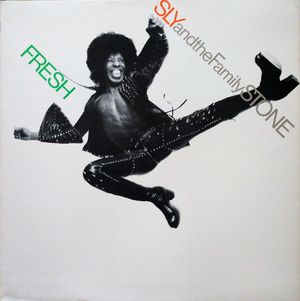
"If You Want Me to Stay" arrived during a transitional moment for Sly & The Family Stone in 1973, and it proved the band could still craft intoxicating grooves after the peak years. Featured on the Fresh album, the song blends a hypnotic bassline with plaintive vocals, creating a funky yet intimate mood that signaled a more introspective phase for Sly as songwriter and producer. Chart-wise, it became one of the band’s last significant R&B hits, receiving steady airplay and maintaining Sly’s presence on soul radio. The commercial performance reinforced the band’s relevance in an era moving toward funkier, more studio-centric productions. Culturally, the track’s candid vulnerability — a rare moment of personal pleading in Sly’s catalog — broadened perceptions of what funk songs could express. In the band’s evolution, it marks the shift from communal, exuberant anthems to more personal, groove-based meditations. Production notes highlight the song’s restraint: tight rhythm guitar, understated organ and a bass hook that anchors the whole arrangement, revealing Sly’s matured sense of space and mood.
Sing a Simple Song
"Sing a Simple Song" is a compact powerhouse — a raw, funk-forward cut that became one of the band’s most sampled and influential grooves. Featured on the landmark Stand! album, the track’s propulsive rhythm section, gritty guitar licks and call-and-response vocals distilled Sly & The Family Stone’s hybrid of soul and rhythm-driven funk. Its stripped-down ferocity contrasted with some of the group’s more polished singles, revealing an edgier side. While not the group’s highest-charting single, the song’s drum breaks and bass lines became a goldmine for later producers and hip-hop artists, amplifying its commercial afterlife through sampling. The track’s cultural significance lies in its emblematic funk vocabulary: open, syncopated grooves that would inform funk bands throughout the 1970s. For the band’s artistic arc, "Sing a Simple Song" demonstrated how Sly could compress revolutionary rhythmic ideas into short bursts of energy. The production highlights organic band interplay — most notable are the raw drum tones and the conversational vocal arrangements — and the song remains a study piece for anyone tracing funk’s structural DNA.
Everybody Is a Star
Placed here as a reaffirmation of the band’s communal message, "Everybody Is a Star" captures Sly’s optimistic, egalitarian songwriting at its warmest. Released as a single in 1969, it continued the band’s string of hits that fused catchy pop hooks with socially conscious sentiment. Though originally issued as a standalone single, its melody and vocal interplay made it a perennial favorite on AM radio and a natural fit for greatest-hits compilations. Commercially, the single performed well, extending Sly & The Family Stone’s mainstream reach after the breakthrough of earlier records. The track’s sing-along chorus and celebratory production showcased Sly’s talent for crafting pop-soul that retained depth. Culturally, the song’s simple, inclusive refrain reinforced the band’s image as a unifying force during a fractious era. In the band’s evolution, "Everybody Is a Star" signaled Sly’s continued embrace of communal themes and studio experimentation with layered vocals. Production notes from the period emphasize live-group energy captured in the studio — the Family Stone’s feel of a live community rather than a spotlit frontman and backing players. The song remains a go-to track for playlists exploring unity, retro soul and the late-1960s pop-soul crossover.
Sly & The Family Stone’s legacy is a study in seismic musical influence: they fused styles, broke social barriers, and created grooves that have been reinterpreted and sampled for decades. These ten songs capture the band at their most persuasive — from chart-topping anthems to raw funk workouts — and together tell the story of a group that reshaped soul, funk and popular music. Explore these tracks as a starting point and dive deeper into album cuts, live recordings and Sly Stone’s revolutionary production experiments. The Top 10 here maps the essential moments; the full catalog reveals the full extent of a band that taught the world to dance, think and stand together.
Zuletzt aktualisiert: 2/23/2026