

Paramore 經典歌曲 Top 10
在 Spotify 上收聽
從《Riot!》中充滿 Warped Tour 狂暴氣息的龐克能量,到《After Laughter》帶有放克色彩的內省沉思,Paramore 在二十年的音樂生涯中不斷蛻變風格,但其核心始終是主唱 Hayley Williams 充滿爆發力的歌聲,以及那令人宣洩釋懷的真摯坦率。吉他手 Taylor York 獨具層次感的音色編排,與鼓手 Zac Farro 充滿動能的節奏(加上歷來不斷更迭的巡演支援樂手),協助樂團從疾速狂飆的流行龐克成功轉型為精緻流暢的另類流行,且不失直擊心靈的情感張力。以下精選的十首曲目——我們將從第 10 名倒數至第 1 名——完整記錄了這段音樂旅程,並聚焦於那些吉他 riff、抓耳旋律與直擊心靈的歌詞;正是這些元素,讓這支昔日次文化圈的寵兒,蛻變為如今打破曲風框架的樂壇中流砥柱。
前三名
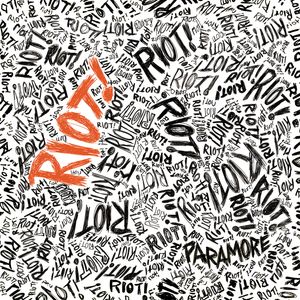
Misery Business
RIOT! · 2007Feedback squeals give way to a down-picked E-minor riff and machine-gun kick pattern—pop-punk perfection distilled. Williams’s rapid-fire verses and octave-jump chorus capture righteous teenage fury, while a halftime breakdown lets crowds unleash circle pits. Controversial lyrics sparked debates and a temporary live hiatus, yet the song’s combustible energy remains unmatched. Its influence echoes in a generation of female-fronted rock acts citing “Misery Business” as their gateway. Four power-chords, one diary-entry hook, and Paramore were etched into emo-pop history.

Ain’t It Fun
Paramore · 2013A slap-bass groove and clavinet stabs steer the band into neo-soul territory. Gospel choir call-backs in the bridge culminate in a key change that would make Prince grin. Lyrically, Williams delivers tough-love to a sheltered soul—possibly herself—“Don’t go crying to your mama.” Winning the band’s first Grammy (Best Rock Song), “Ain’t It Fun” showed Paramore could fuse funk, pop, and sass into an anthem that dominated both alt-rock and Top 40 charts.
Still into You
Paramore · 2013Snare-less verses bounce on glockenspiel plinks and handclaps before exploding into a sugar-rush chorus driven by Jeremy Davis’s octave bass riff. York’s surf-pop guitar lines inject exuberance, while Farro’s absence (during this album cycle) frees the percussion to lean electronic. Celebrating long-term love over infatuation, Williams belts gratitude without cliché—“I should be over all the butterflies.” The song’s candy-coated punk energy became a crossover smash, redefining Paramore’s identity in the post-emo 2010s.
佳作
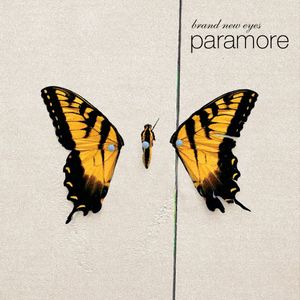
The Only Exception
Stripped-down acoustic strums, brushed drums, and subtle string swells showcase Williams’s tender lower register—a vulnerable detour amid Brand New Eyes’ turbulence. A tasteful key change elevates the final chorus without overshadowing the song’s earnest simplicity. Williams narrates cautious surrender to love—“I’ve always lived like this, keeping a comfortable distance”—making the eventual admission all the more affecting. Weddings, TV dramas, and arena sing-alongs turned this ballad into Paramore’s universal slow-dance staple.
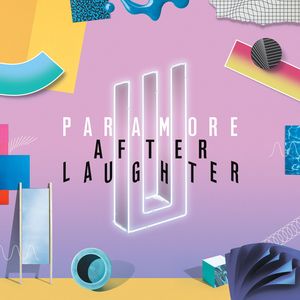
Hard Times
A tropical-post-punk drum pattern, rubbery synth bass, and Talking Heads-esque guitar stabs announce Paramore’s bold reinvention on After Laughter. Zac Farro’s crisp rim-click beat and percussive whoops evoke neon anxiety in dance-floor packaging. Williams’s syrupy melody masks burnout despair—“Hard times gonna make you wonder why you even try”—the juxtaposition turning vulnerability into communal disco therapy. Its pastel-hued video and infectious chorus pulled new fans into the fold, solidifying Paramore’s mastery of bittersweet pop evolution.
That’s What You Get
Funky muted chords slide into power-pop euphoria, buoyed by Farro’s splashy cymbal work and a bass line that dances rather than pounds. Dynamic stop-starts keep the verses taut before the chorus bursts into sunny gang vocals. Its lyrics dissect the fallout of head-versus-heart decisions with disarming bluntness—“That’s what you get when you let your heart win.” The feel-good groove masking lyrical self-flagellation became a band hallmark, and the song’s bright tonality remains a staple of summer playlists.
Decode
Written for the Twilight soundtrack, “Decode” swaps punk speed for atmospheric tension. York’s arpeggiated guitars shimmer over half-time drums, while string pads add cinematic weight. Williams leans into gothic yearning—“How did we get here when I used to know you so well?”—mirroring the film’s supernatural heartache. The crossover success introduced Paramore to mainstream audiences, proving they could thrive outside pop-punk confines without surrendering intensity.
Crushcrushcrush
Palm-muted tension explodes into a chorus built on open-string churn and syncopated snare hits. Producer David Bendeth filters guitars through a glossy sheen, giving Riot! its radio-ready backbone. The song mocks voyeuristic obsession—“They taped over your mouth, scribbled out the truth”—coating jealousy in sardonic swagger. At just over three minutes, it distills Paramore’s early formula: sprinting tempos, skyscraper hooks, and Hayley’s sly charisma.
Brick by Boring Brick
A chiming, six-note riff opens into stomping toms and gang-chant “ba-ba-ba” harmonies—a fairytale gone crooked. York and Farro layer guitars both massive and melodic, echoing late-’00s arena rock while retaining emo heart. Williams dismantles escapist fantasies—“keep your feet on the ground when your head’s in the clouds”—turning storytelling into self-therapy. Live, the call-and-response outro becomes a cathartic purge, proving Paramore could marry theatrical imagery with pounding immediacy.
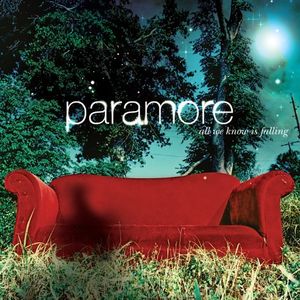
Pressure
Paramore’s debut single introduces urgent octave chords, snappy hi-hats, and Williams’s 16-year-old wail cutting through adolescent angst. Josh Farro’s riff tumbles forward like a runaway cart, while the post-chorus bass slide hints at the rhythmic punch to come. Lyrically, “Pressure” chronicles the weight of expectation and small-town claustrophobia—fodder familiar to every MySpace-era teenager. Though raw around the edges, the track signaled a new voice in pop-punk: a front-woman blending sweetness with ferocity, ready to eclipse her peers.
Paramore thrive on tension—between upbeat melodies and raw confession, underground roots and mainstream success, sonic reinvention and emotional consistency. Taylor York’s genre-bending arrangements, Zac Farro’s propulsive drumming, and Hayley Williams’s expressive range form a blueprint for modern alternative pop-rock. These ten songs chart heartbreak, growth, and hard-won joy, mirroring fans’ own evolutions. No matter the era or hairstyle, Paramore’s commitment to honest, hook-laden catharsis keeps their catalog spinning—and their audiences singing—well beyond the fade-out.
觀看相關影片
最後更新:8/14/2025