

The Grateful Dead Top 10 Songs: Definitive Ranked List of Their Greatest Hits
Listen on Spotify
The Grateful Dead are an American rock band whose blend of psychedelic rock, folk, blues, and improvisational jam has reshaped live music culture. This Top 10 songs list ranks the Dead's most influential tracks by popularity, cultural impact, chart success, and enduring fan devotion to guide both new listeners and longtime Deadheads.
The Top 3
Touch of Grey
In the Dark · 1987“Touch of Grey” is The Grateful Dead’s most commercially successful single and their definitive late-era breakthrough, reaching the Top 10 on the Billboard Hot 100 and bringing the band widespread mainstream attention. Released on In the Dark, the song pairs an anthemic, optimistic chorus with wry lyrics about resilience—“I will get by, I will survive”—and a concise, radio-ready arrangement that contrasted with the band’s typical marathon performances. The MTV-friendly music video furthered the Dead’s visibility and attracted new generations of fans, without diminishing the song’s live potency; in concert the track became a celebratory set-closer that bridged the Dead’s improvisational spirit with mainstream pop success. As the band’s highest-charting hit, “Touch of Grey” encapsulates how the Grateful Dead could adapt and reach broader audiences while remaining true to their musical identity.
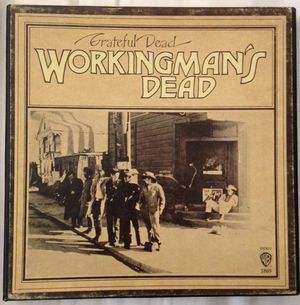
Uncle John's Band
Workingman's Dead · 1970“Uncle John's Band” represents a pivotal moment when The Grateful Dead fused literary lyricism with accessible folk-rock arrangements. Released on Workingman's Dead, the song’s close harmonies, acoustic textures and Robert Hunter’s vivid lyrics offered a warm, community-minded counterpoint to the band’s psychedelic reputation. It became a gateway for many listeners into the Dead’s catalog, demonstrating their songwriting strength and cultural resonance beyond purely improvisational contexts. The track’s enduring presence in setlists and its influence on singer-songwriters and folk-rock artists cement its place as one of the band’s defining studio achievements.
Dark Star
Live/Dead · 1969“Dark Star” is the quintessential Grateful Dead improvisational canvas: an open-ended composition built for exploratory group interplay. Although the studio footprint is small, the Live/Dead 1969 recording elevated “Dark Star” into a 20–30 minute vortex of modal improvisation, spacey motifs and conversational group dynamics. Its significance lies less in chart metrics and more in its blueprint for psychedelic jamming—many musicians and entire scenes cite the Live/Dead performances as foundational. The song’s nebulous structure and fluid boundaries helped define the Dead’s experimental identity and influenced generations of improvisers in rock, jazz and beyond.
Honorable Mentions
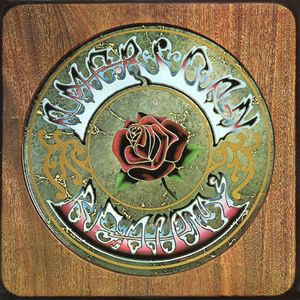
Truckin'
“Truckin'” is both a literal road song and a cultural touchstone that captures the Grateful Dead’s touring ethos and mythologized life on the road. Featured on American Beauty, its memorable refrain—“What a long, strange trip it’s been”—entered the broader cultural lexicon and remains one of the band’s most quoted lines. The single achieved modest commercial success and radio play, increasing mainstream recognition for the Dead without compromising their improvisational identity. Live, “Truckin'” often served as a springboard into spontaneous jams, revealing how a concise studio track could morph into sprawling performance pieces that defined the band’s live legacy.
Friend of the Devil
“Friend of the Devil” blends bluegrass, country and literate lyricism into a compact gem on American Beauty. Its brisk acoustic arrangement, narrative verses and deft vocal harmonies made the song immediately accessible while rewarding deeper listening. The track became an essential part of acoustic sets and a favorite among newer fans discovering the Dead through their more structured studio tracks. Over time, the song’s road-story lyrics and melodic clarity influenced countless Americana and alt-country acts, marking the Dead as key figures in the bridge between 1960s psychedelia and roots revival movements.
Ripple
“Ripple” is one of The Grateful Dead’s most treasured acoustic ballads, a quiet, hymn-like composition that highlights Jerry Garcia’s gentle phrasing and Robert Hunter’s poetic lyrics. Released on American Beauty, its simplicity—fingerpicked guitar, warm vocal harmonies and mandolin accents—contrasts with the band’s extended electric improvisations, demonstrating their range and depth as songwriters. Though not a chart single, “Ripple” has achieved lasting cultural resonance as a folk-rock staple frequently covered by other artists and sung by Deadheads at gatherings. As a cornerstone of the band’s softer side, it anchors the Dead’s catalog in timeless songwriting and communal singing.
Sugar Magnolia
With its sunny hooks and infectious chorus, “Sugar Magnolia” helped crystallize The Grateful Dead’s acoustic-rock and country influences into radio-friendly form on American Beauty. The tune became synonymous with the band’s celebratory live moments—often used to close sets with a high-energy sing-along—and reinforced the group’s strength in crafting memorable melodies alongside extended jams. Commercially, it increased the band’s exposure without compromising their live improvisational identity. The song’s upbeat arrangement and lyrical warmth exemplify how the Dead channeled Americana traditions into modern rock songwriting while preserving their communal concert spirit.
Eyes of the World
“Eyes of the World” stands as a landmark in the Grateful Dead’s shift toward jazz-influenced improvisation and modal playing. Released on Wake of the Flood, the song opens space for extended, harmonically adventurous solos, giving the rhythm section—especially Phil Lesh—room to steer the band into exploratory territory. Though not a chart hit, its live permutations became templates for the 1970s peak-period jams, often elongating into 15–30 minute meditations that showcased the Dead’s telepathic interplay. The song’s optimistic lyricism paired with expansive arrangements underscores the band’s evolution from folk-rock storytellers to one of rock’s foremost improvising ensembles.
Casey Jones
“Casey Jones” brought The Grateful Dead into wider public awareness with its catchy chorus and rock-solid backbeat. Appearing on Workingman's Dead, the tune showcases the band’s turn toward Americana and concise songwriting in 1970, balancing lyrical storytelling with a rollicking rhythm. Although often mistaken as purely a light-hearted train song, Robert Hunter’s lyrics layer tension and irony over a hook that made the song radio-friendly and a sing-along favorite at concerts. Its relative commercial accessibility helped introduce new audiences to the Dead’s broader repertoire while preserving the band’s improvisational instincts in live renditions.
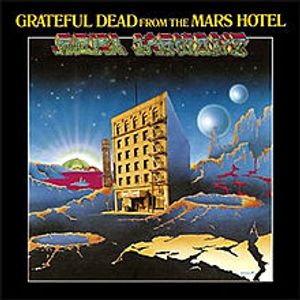
Scarlet Begonias
“Scarlet Begonias” exemplifies The Grateful Dead’s ability to fuse reggae-tinged rhythms with improvisational rock. Released on From the Mars Hotel, the song became a showpiece for Jerry Garcia’s fluid lead lines and the band’s tight-yet-swinging groove. While not a major chart single, its importance lies in becoming a concert staple and the genesis of the beloved live medley pairing with “Fire on the Mountain,” a sequence that highlighted the Dead’s late-1970s peak in exploratory jamming. The studio version captures the song’s melodic charm, but the live performances expanded its harmonic and rhythmic possibilities, influencing jam-band approaches to song development and onstage transitions.
The Grateful Dead’s legacy is built on a rare combination of songwriting craft, improvisational daring and a communal live experience that reshaped rock music. These ten songs trace the band’s arc—from psychotropic exploratory pieces like “Dark Star” to the rootsy songwriting of Workingman's Dead and American Beauty, and the mainstream breakthrough of “Touch of Grey.” Together they reveal the breadth of the Dead’s influence: shaping jam-band culture, informing Americana and alternative roots movements, and demonstrating that a band can thrive through constant reinvention. Explore these tracks both in their studio form and through the vast catalog of live recordings to understand The Grateful Dead’s full impact. These songs are entry points into an enormous musical universe where every concert performance could reimagine a familiar melody, and where community and music remain inseparable.
Last Updated: 3/4/2026