
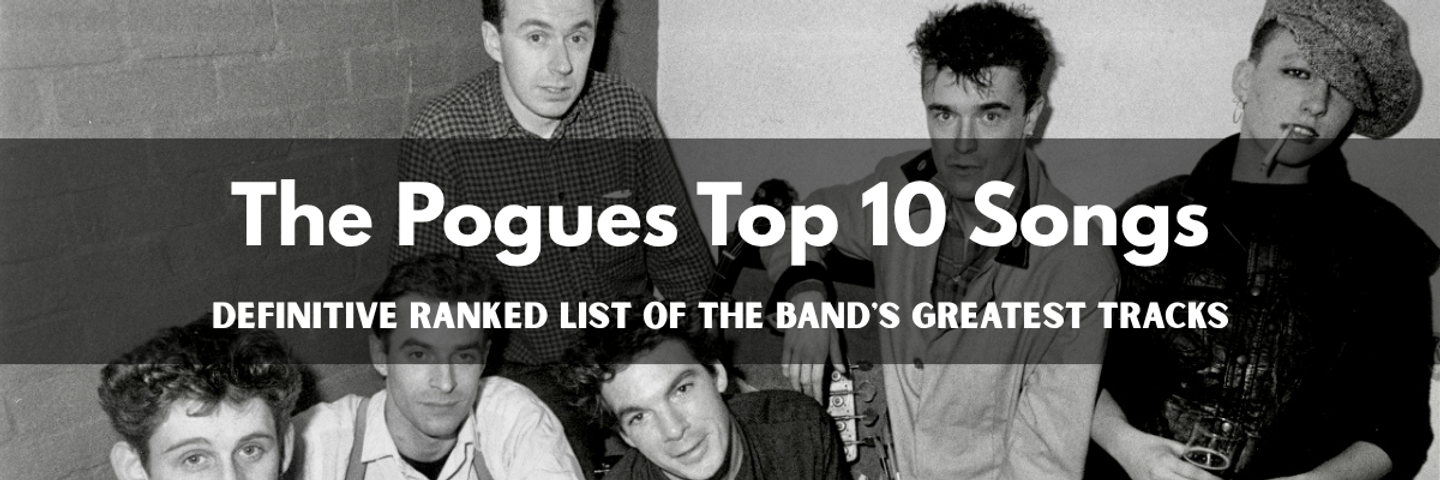
The Pogues: Die 10 besten Songs — Das ultimative Ranking der größten Tracks der Band
Auf Spotify anhören
The Pogues sind eine englische Celtic-Punk-Band, die in London gegründet wurde und traditionelle irische Musik mit der Energie des Punk verbindet. Ihr rohes Songwriting, Shane MacGowans unverwechselbare Stimme und ihre furchtlosen Arrangements prägten die Genres Folk und Punk neu und hinterließen bleibende kulturelle Spuren. Dieses ultimative Top-10-Ranking beleuchtet die Songs, die ihren Sound, ihren Einfluss und ihr Vermächtnis in den Charts geprägt haben.
Die Top 3
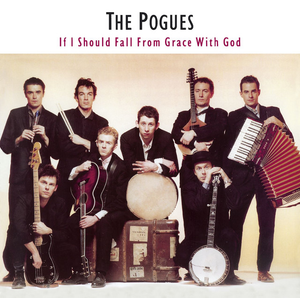
Fairytale of New York
If I Should Fall from Grace with God · 1987‘Fairytale of New York’ is The Pogues’ defining masterpiece and one of the most enduring Christmas songs in modern pop culture. Released as a single in late 1987 and included on the 1988 album If I Should Fall from Grace with God, the duet with Kirsty MacColl pairs a heartbreaking story of faded hopes with a singalong chorus, combining sharp character portraiture with a sweeping, cinematic arrangement. Commercially the song became a perennial holiday hit, reaching high chart positions on its initial release and returning to the charts repeatedly for decades. Its emotional complexity — equal parts bitter, tender and melodic — has resonated across generations, making it not just a seasonal staple but a broader cultural touchstone. The track’s significance for the band cannot be overstated: it brought The Pogues global recognition, showcased their unique synthesis of folk narrative and pop accessibility, and remains the single most recognizable entry point into their catalog. The recording’s production, vocal interplay between MacGowan and MacColl, and vivid storytelling make it a crowning achievement in British and Irish popular music.
Rainy Night in Soho
Single / Various · 1986‘Rainy Night in Soho’ is one of The Pogues’ most haunting and beautifully arranged ballads, a song that juxtaposes poetic lyricism with subtle, evocative instrumentation. Produced in a time when the band were experimenting more with mood and texture, the track highlights their ability to craft intimate, enduring melodies alongside their more raucous repertoire. The song’s production — often noted for its atmospheric touches and delicate arrangement — allowed the melancholic lyric to breathe, making it an enduring favorite on slow and reflective playlists. Though originally released as a stand-alone piece and circulated on various compilations, its gravitas has ensured continual rediscovery by both new listeners and long-term fans. Culturally, ‘Rainy Night in Soho’ expanded public appreciation of The Pogues as nuanced songwriters capable of subtle emotional resonance. It remains a showcase for Shane MacGowan’s lyrical sensitivity and the band’s softer, more orchestral instincts.
The Irish Rover
Single / Collaboration (with The Dubliners) · 1987The Pogues’ 1987 collaboration with The Dubliners on ‘The Irish Rover’ was a commercial and cultural triumph, pairing generations of Irish music makers for a rousing take on a traditional tale. Released as a single, the recording reached major chart positions in the UK and Ireland, exposing The Pogues to wider, multi-generational audiences and highlighting their deep connection to the Irish folk tradition. The track’s buoyant delivery and celebratory spirit made it a radio staple and party favorite, while its success underscored how traditional material could still find mainstream traction when delivered with conviction. The collaboration also symbolized a passing-of-the-torch moment between the elder folk establishment and the punk-rooted newcomers. For The Pogues’ trajectory, ‘The Irish Rover’ helped broaden their fan base and reinforced their legitimacy within the folk canon. It remains a defining single in their catalogue and a cultural touchstone for Irish music fused with contemporary sensibility.
Besondere Erwähnungen
If I Should Fall from Grace with God
The title track 'If I Should Fall from Grace with God' is a taut, impassioned piece that captures both spiritual longing and streetwise honesty. Its arrangement balances driving rhythms with traditional instrumentation, and Shane MacGowan’s vocal turns the lyric into an incantation of fragile bravado. The song crystallized the thematic concerns of the album: exile, redemption and vivid storytelling. As the title track, it anchored one of the band’s most commercially and critically successful records, contributing to an expanded international profile. The album itself produced enduring singles and became the entry point for many listeners discovering the band’s work. Artistically, the song represents a maturing of The Pogues’ songwriting craft — more focused and compositionally ambitious than many earlier efforts — and signaled how their approach could evolve while maintaining the raw emotional core fans expect.
Fiesta
‘Fiesta’ is an exuberant highlight from If I Should Fall from Grace with God, mixing Spanish-flavored brass, raucous percussion and singalong choruses that broadened The Pogues’ stylistic reach. The track’s exuberant, carnival-like energy made it a standout on record and in concerts, proving the band could successfully absorb continental motifs into their Celtic-punk aesthetic. While not their highest-charting single, ‘Fiesta’ became a festival favorite and a testament to the group’s adventurous arrangements. Its infectious hook and party-ready dynamics extended The Pogues’ appeal beyond strictly folk or punk audiences, showing their capacity for cross-genre celebration. The song’s production — layered horns, rollicking rhythm and communal vocal calls — marked an era in which The Pogues embraced fuller, more adventurous studio textures while retaining the immediacy of their live persona.
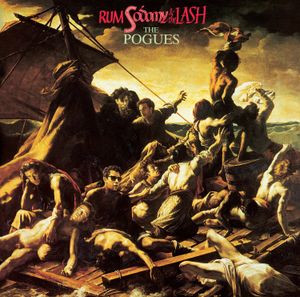
Dirty Old Town
The Pogues’ cover of Ewan MacColl’s ‘Dirty Old Town’ transformed a beloved folk standard into a raw, resonant anthem for a new generation. Their version emphasized atmosphere and grit, with Shane MacGowan’s rough-hewn vocal bringing fresh urgency to the familiar lyrics. The arrangement kept the song’s aching core while injecting the band’s trademark edge. The Pogues’ take became one of the most widely recognized renditions of the song, ensuring its continued presence in pubs, radio playlists and cover repertoires. It showcased their ability to honor folk tradition while making it contemporary — a hallmark of the group’s broader impact. For the band’s development, ‘Dirty Old Town’ demonstrated how effectively they could reinterpret classics and bring them to mass audiences, reinforcing their role as custodians and re-inventors of folk music within a punk frame.
A Pair of Brown Eyes
‘A Pair of Brown Eyes’ is one of The Pogues’ most admired ballads — a melancholic, literate song that blends traditional melody with modern lyricism. Written by Shane MacGowan, the track balances nostalgia and regret, unfolding like a short story set to music. Its gentle verses and emotional crescendo showcase the band’s capacity for tender, narrative songwriting. Though not a blockbuster chart hit, the song earned critical acclaim and became a defining moment on Rum Sodomy & the Lash, an album that signaled the band’s coming of age. The production and arrangement placed emphasis on the storytelling, with delicate instrumentation supporting the vocal performance. Culturally, ‘A Pair of Brown Eyes’ broadened perceptions of what a punk-rooted band could express, proving The Pogues could move audiences to reflection as easily as to revelry. The track remains a fan favorite in live retrospectives and compilations, underlining its lasting emotional impact.
Streams of Whiskey
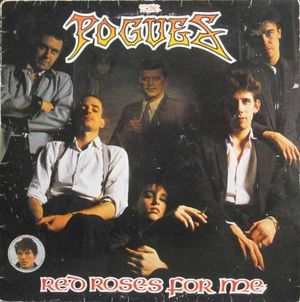
‘Streams of Whiskey’ is one of The Pogues’ earliest classics, a raw, freewheeling tribute to booze, friends and the band’s roguish worldview. Debuting on their 1984 album Red Roses for Me, the song quickly became a live barnstormer; Shane MacGowan’s slurred yet vividly lyrical delivery captures the band’s intoxicating blend of celebration and melancholy. The track’s importance lies in its encapsulation of The Pogues’ early identity: a marriage of traditional Irish phrasing with punk-era storytelling. While not a major chart hit, ‘Streams of Whiskey’ circulated widely on college and alternative stations and helped build the grassroots momentum that would propel the band to larger stages. In terms of evolution, the song set an early template for how The Pogues could write anthems that sounded both timeless and immediate, establishing staples that would be reinterpreted in live sets and compilations across decades.
Young Ned of the Hill
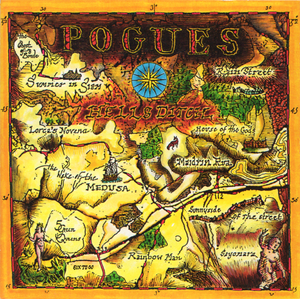
‘Young Ned of the Hill’ is a poignant, richly arranged song that highlights The Pogues’ folk storytelling at its most lyrical. The track weaves historical narrative with contemporary emotion, showcasing Shane MacGowan’s gift for blending personal voice with broad, folkloric themes. Instrumentally, the song marries traditional reels with atmospheric production, pointing to the band’s expanding sonic palette by 1990. On the album Hell’s Ditch, the song represents maturity in songwriting and arrangement: more layered, cinematic and narrative-driven than much of their earlier work. It resonated with longtime fans and critics who saw The Pogues deepen their musical ambitions without abandoning their roots. Culturally, ‘Young Ned of the Hill’ reinforced the band’s role as modern minstrels, able to revive historical content with contemporary urgency. It also helped demonstrate that The Pogues could produce reflective, melodic material alongside their more boisterous, pub-centered numbers, underlining the group’s versatility.
Sally MacLennane
Sally MacLennane stands out as one of The Pogues’ most raucous working-class anthems. Written with equal parts humor and affection, the track captures the pub culture and camaraderie that run through much of the band’s early material. Its rollicking accordion and driving rhythm made it a live favorite and showcased the group’s ability to turn everyday characters into unforgettable songs. Commercially, "Sally MacLennane" reinforced The Pogues’ profile in the mid-1980s as they transitioned from underground fixtures to a wider audience. The song’s singalong chorus and blunt storytelling made it a staple on alternative radio and in concert halls, helping to cement the band’s reputation as both authentic and irreverent. Culturally, the song became shorthand for the Pogues’ depiction of working-class Irish life transported to London. Musically it also illustrates the band’s early priorities: strong melody wrapped in traditional instrumentation and punk immediacy. For the band’s evolution, it was an important bridge between raw debut recordings and the fuller arrangements that followed on later albums.
The Pogues built a catalog that balances revelry and reverence, streetwise storytelling and pastoral nostalgia. These ten songs chart their journey from pub-room provocateurs to internationally recognized torchbearers of Celtic-infused songwriting. Each track on this list highlights a facet of the band’s influence — whether it’s a riotous party anthem, a reimagined folk classic, or a heartbreakingly intimate ballad. Together these songs define The Pogues’ legacy: fearless reinvention of tradition, singular songwriting by Shane MacGowan, and an emotional range that continues to inspire musicians and listeners. Dive into these tracks to experience why The Pogues remain essential listening — and then explore the rest of their catalog to hear the full scope of their contribution to modern music.
Zuletzt aktualisiert: 3/25/2026