

The Beach Boys Top 10 Songs: A Definitive Ranked List of Their Greatest Hits
Listen on Spotify
The Beach Boys are the seminal American rock band from Hawthorne, California, whose mix of surf rock, intricate vocal harmonies and studio innovation reshaped pop music. Spanning sun-soaked anthems to studio masterpieces, this Top 10 ranking highlights the songs that defined their sound, commercial peak and lasting cultural influence.
The Top 3
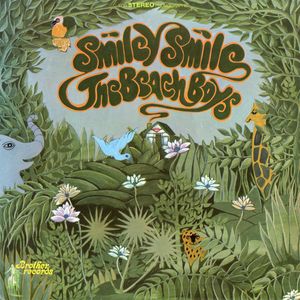
Good Vibrations (Alternate Placement)
Single / Smiley Smile · 1966This placement reiterates “Good Vibrations” as the definitive apex of The Beach Boys’ creative and commercial achievements. The song synthesized the band’s harmonic mastery, Brian Wilson’s studio innovation and mainstream reach into a single, transcendent moment. Its unparalleled fusion of experimental production and pop accessibility earned it enduring acclaim, repeated recognition in critical rankings and a permanent place in the popular canon. The single’s lasting commercial and cultural impact underscore why it remains the group’s most iconic work. As a capstone for the group’s evolution, “Good Vibrations” validates the trajectory that took them from surf rock singles to studio auteurs. Its recording process and sonic imagination influenced not just peers but the entire language of recorded pop music, making it the song most synonymous with The Beach Boys’ legacy. The track’s use of unconventional instruments, modular studio construction and multi-layered vocal arrangements continue to be studied and celebrated as a model of what pop music can achieve in scope and craft.
Good Vibrations
Single / Smiley Smile · 1966“Good Vibrations” is The Beach Boys’ most celebrated single and a milestone of 1960s pop production. Conceived as a modular studio masterpiece, Brian Wilson pieced together sections recorded across multiple sessions to create a surprisingly cinematic, baroque pop single unlike anything on the radio at the time. The single reached the top of charts internationally and became one of the band’s signature songs, both commercially and artistically. Its chart success helped define the Beach Boys’ global profile and justified Brian Wilson’s studio-intensive approach to recording. Culturally, “Good Vibrations” expanded the vocabulary of pop music—its lush theremin line, sweeping harmonies and abrupt sectional shifts made it a touchstone for experimental pop production. The song influenced generations of producers and composers who saw in it the potential of the recording studio as a compositional tool. Production notes are central to the song’s legend: Brian Wilson employed modular recording, exotic instruments (notably the theremin), intricate vocal layering and sophisticated key changes. The complexity and ambition of “Good Vibrations” make it a high-water mark in both The Beach Boys’ catalog and in 20th-century pop music.
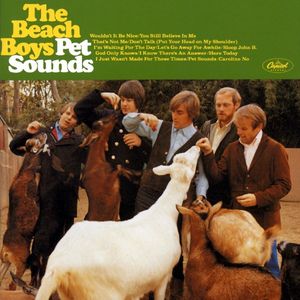
God Only Knows
Pet Sounds · 1966“God Only Knows” is frequently cited as one of the greatest pop songs ever written and stands as an apex of The Beach Boys’ artistic achievement. Its tender, complex harmonies and emotionally vulnerable lyrics marked a new level of sophistication in mainstream pop music. Although not an enormous chart-topping single in the United States upon original release, the song achieved significant chart success in the UK and has accrued monumental critical esteem over time. It has been repeatedly ranked on ‘greatest songs’ lists and covered by a wide range of artists, cementing its status as a timeless classic. Culturally, “God Only Knows” reshaped expectations for pop masterpieces—demonstrating that mainstream songs could be both commercially appealing and artistically daring. The track’s spiritual yet intimate lyricism broadened the thematic scope of pop, while its harmonic innovations influenced countless songwriters and producers. Production and background: the song features unconventional chord progressions, rich counterpoint vocal lines and inventive instrumental textures, including French horn-like arrangement touches and layered backup vocals. Brian Wilson’s production here illustrates his facility with studio orchestration and emotional storytelling through sound.
Honorable Mentions
Kokomo
“Kokomo” is The Beach Boys’ late-career commercial juggernaut and an example of their enduring ability to craft catchy, radio-ready songs decades after their initial fame. Written for the 1988 film Cocktail, the track embraced a breezy, tropical pop sound that connected with a new mainstream audience. The single reached No. 1 on the Billboard Hot 100, reintroducing the band to top-chart status and demonstrating their commercial resilience. Its mass appeal helped the song become one of the group’s highest-selling singles, widely played on radio and used in film promotion worldwide. Culturally, “Kokomo” became synonymous with beachy escapism in the late 1980s, serving as a soundtrack staple for summer-themed media. In terms of the band’s evolution, the song highlights The Beach Boys’ adaptability—able to tap into contemporary production trends while retaining the melodic and vocal hallmarks that defined their earlier work. In production terms, “Kokomo” features glossy late-1980s studio sheen, layered backing vocals and a relaxed tempo that foregrounds melody over studio experimentation. While not representative of the group’s 1960s creative peak, it showcased their skill at crafting an unmistakable pop hook across eras.
Wouldn't It Be Nice
“Wouldn’t It Be Nice” is a career-defining opener to Pet Sounds and a landmark in pop songwriting and production. The song pairs yearning, romantic lyrics with intricate harmonies and ambitious studio arrangements, encapsulating the emotional core of the album. Commercially, the single and album strengthened The Beach Boys’ artistic stature, even as Pet Sounds initially had a more mixed commercial reception compared to their earlier singles. Over time the song—and the album—garnered immense critical acclaim and lasting influence across the music industry. Culturally, “Wouldn’t It Be Nice” became an anthem for a more introspective, adult pop sensibility. The track signaled a shift from carefree teen themes to complex emotional landscapes, influencing songwriters seeking depth in pop composition. Within the band’s development, it marks Brian Wilson’s emergence as a studio auteur blending personal themes with sophisticated orchestration. Production and background notes: the recording includes layered vocal countermelodies, a lush arrangement of unconventional pop instruments (including strings and keyboards) and adventurous modulations. The production techniques used here informed countless records in the decades that followed.
California Girls
“California Girls” is a cinematic pop celebration of West Coast allure and one of The Beach Boys’ most beloved compositions. The song expanded the band’s lyrical focus from surfing to a broader, romanticized vision of youth and regional identity, combining sophisticated chord changes with instantly hummable hooks. The single performed strongly on charts worldwide and became a defining hit for the era, frequently cited in critical lists and widely covered. Its melodic inventiveness and lush vocal arrangements reinforced Brian Wilson’s reputation as a songwriter capable of elevating surf-pop to artful pop music. Culturally, “California Girls” has endured as a shorthand for West Coast pop mythology—invoked in films, advertisements and countless covers. In the band’s arc, the song represents a maturation in lyrical subject and harmonic complexity, foreshadowing the richly textured work that would culminate on Pet Sounds. On production, the track features inventive instrumental touches, tight multi-part harmonies and a dynamic arrangement that blends bright brass, layered vocals and a punchy rhythm section. The song’s bridge and harmonic shifts are a clear sign of Brian Wilson’s growing sophistication.
Help Me, Rhonda
“Help Me, Rhonda” stands out as one of The Beach Boys’ most radio-friendly, tightly produced singles, balancing songwriting immediacy with studio polish. The re-recorded version that became a hit replaced an earlier take and showcased the band’s ability to refine a song into its most commercially potent form. The single reached No. 1 on the U.S. charts, reaffirming the band’s dominance in the pop singles market and offering a concise, hook-driven counterpoint to the more ambitious album work being developed behind the scenes. Its success demonstrated the band’s dual capacity for experimental albums and hit singles. Culturally, “Help Me, Rhonda” became a teen-pop touchstone and a staple of AM radio, noted for its memorable chorus and lively vocal delivery. Within the band’s evolution, the track exemplifies Brian Wilson’s maturation as a pop craftsman—able to balance emotional directness with tight production techniques. Production highlights include polished vocal layering, punchy percussion and a clear, concise arrangement designed for maximum radio impact. The single’s crisp mix made it an ideal jukebox and radio track during mid-1960s summer rotations.
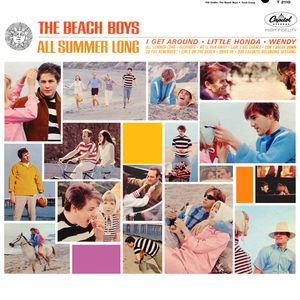
I Get Around
“I Get Around” marked a major artistic leap for The Beach Boys and is often cited as Brian Wilson’s first fully realized pop production triumph. Released at the height of Beatlemania, the song announced that The Beach Boys could not only match but innovate within the pop landscape. The single reached No. 1 in the United States, delivering the band their first chart-topping hit and expanding their audience internationally. Its success validated Brian Wilson’s increasing studio ambition and gave him the confidence to push for more complex recordings and arrangements. Culturally, “I Get Around” fused youthful bravado with sophisticated studio craft—tight harmonies, dynamic shifts and a propulsive rhythm. It helped transition the band from surf-sound singles to records that foregrounded production as a form of artistic expression. The song’s energetic vocal interplay and harmonic surprises signaled the group’s readiness for more adventurous work. Interestingly, the recording features spot-on vocal trade-offs and creative use of stereo panning that were advanced for the time. The arrangement’s crisp blending of vocal textures and punchy rhythm tracks became a blueprint for later singles and for Brian Wilson’s evolving production approach.
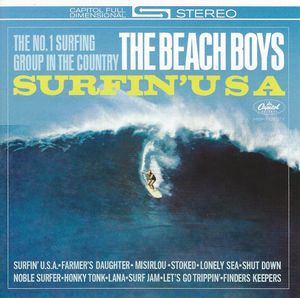
Surfin' U.S.A.
“Surfin’ U.S.A.” is the song that launched The Beach Boys into national prominence and essentially defined the surf-rock genre. Built around a Chuck Berry-inspired guitar figure, the track crystallized Southern California’s surf culture into an infectious pop single and became an anthem for youth in the early 1960s. Commercially, the single was a breakthrough hit that established the band on national charts and on radio playlists across America. Its success translated into rapid touring opportunities, television appearances and a swath of merchandise, cementing the Beach Boys as the face of a coastal teen movement. Culturally, the song codified imagery of surfboards, cars and sun-drenched beaches in the popular imagination and inspired countless bands to adopt a similar sound and aesthetic. For the band’s evolution, “Surfin’ U.S.A.” represents their entry point—a catchy, radio-ready formula that would later be expanded into more sophisticated compositions. On production, the recording showcases early Beach Boys hallmarks—tight vocal harmonies, jangly guitars and a strong hook. While musically simpler than later studio work, its tight arrangement and vocal layering laid the groundwork for the vocal complexity Brian Wilson would develop in subsequent years.
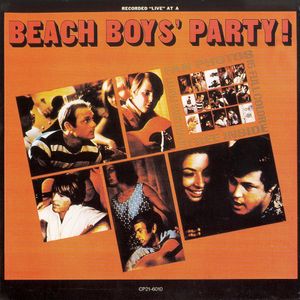
Barbara Ann
“Barbara Ann” is a raucous, sing-along cover that became one of The Beach Boys’ biggest crowd-pleasers and a showcase for their harmonic strengths. Recorded for the informal, party-themed album Beach Boys' Party!, the track captures the group’s knack for turning a simple doo-wop standard into a communal pop moment that crossed generational lines. Chart-wise, the single climbed high on international charts and helped sustain the band’s momentum in the mid-1960s, proving their commercial resilience between more ambitious projects. Its informal, live-in-the-studio energy made it ideal for radio and television, amplifying the band’s visibility at a time when they were expanding their musical palette. Culturally, “Barbara Ann” became a ubiquitous singalong and remains a staple in films and commercials that evoke 1960s nostalgia. For The Beach Boys’ evolution, the song underscores the contrast between their hit-making, crowd-pleasing singles and the more intricate, introspective work Brian Wilson was crafting in the studio. The track’s stripped-back production and party atmosphere also highlight the band’s versatility and connection to their fans. Interesting production notes: the Beach Boys’ version of “Barbara Ann” leans into handclaps, group shouts and tight harmony stacks—elements that amplified its live feel. Though not representative of the band’s studio experimentation, its success reinforced the commercial platform that allowed their riskier artistic ventures to reach a broader audience.
The Beach Boys’ legacy is defined by a rare combination of irresistible melodies, peerless vocal harmonies and pioneering studio ambition. From early surf anthems that defined a cultural moment to the sophisticated emotional landscapes of Pet Sounds and the studio triumph of “Good Vibrations,” these 10 songs trace the arc of a band that continually redefined popular music. Together, these tracks showcase why The Beach Boys remain essential listening: they document artistic growth, commercial success and lasting cultural influence. Listeners are encouraged to dig beyond the hits into albums, rarities and later-career work to fully appreciate the depth and breadth of the band’s contribution to modern music.
Last Updated: 3/4/2026