
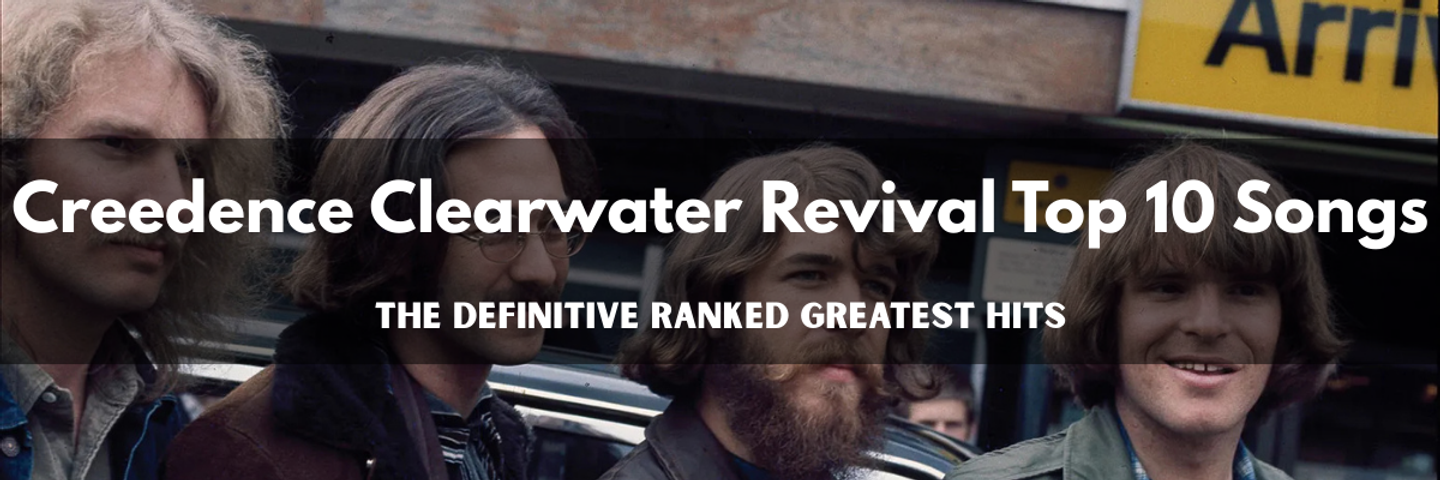
Creedence Clearwater Revival Top 10 Songs: The Definitive Ranked Greatest Hits
Listen on Spotify
Creedence Clearwater Revival (CCR) are the American swamp-rock icons whose blend of rock, country, blues and R&B reshaped late-1960s popular music. Known for compact, high-energy songs and John Fogerty's unforgettable voice and songwriting, CCR left a disproportionate cultural footprint in a short recording career. This Top 10 ranking spotlights the band's most essential songs—ranked by popularity, chart performance, cultural influence and lasting fan devotion.
The Top 3
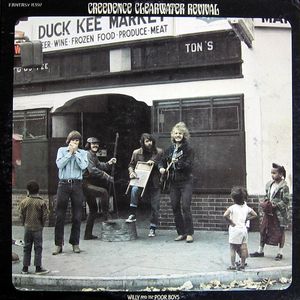
Proud Mary
Willy and the Poor Boys · 1969Why it matters: "Proud Mary" stands as Creedence Clearwater Revival’s signature song—a perfect marriage of groove, storytelling and singalong power. Fogerty’s riff-driven arrangement and the song’s irresistible chorus captured the band’s essence and widened their audience dramatically. Chart and commercial impact: Released in 1969 as a single from Willy and the Poor Boys, "Proud Mary" became one of CCR’s biggest hits and remains ubiquitous on radio and in popular culture. Its commercial success helped drive album sales and solidify the band’s mainstream profile. Cultural significance: The song has been covered and reinterpreted repeatedly—most famously by Ike & Tina Turner—underscoring its adaptability and cross-genre appeal. "Proud Mary" is frequently used in film, television and advertising, and its chorus is instantly recognizable to multiple generations. Role in the band’s evolution and production notes: The recording showcases CCR’s ability to blend swampy blues with rollicking rhythm-and-blues drive in a radio-friendly format. Fogerty’s production emphasized a clean yet gritty sound that allowed the band’s energy to translate clearly from stage to studio.
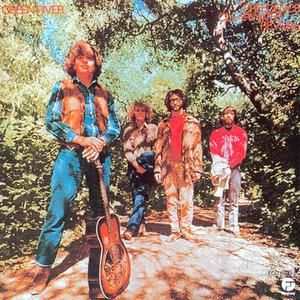
Bad Moon Rising
Green River · 1969Why it matters: "Bad Moon Rising" pairs upbeat, singalong melodies with apocalyptic lyrics—a contrast that became one of CCR’s signature moves. The song’s infectious ukulele-like riff and Fogerty’s clear vocal deliver a paradoxical cheerfulness that masks darker themes. Chart and commercial impact: Released in 1969 from Green River, "Bad Moon Rising" was an international hit that cemented CCR’s status as one of the world’s top rock acts. Its broad radio appeal made it a chart staple across multiple countries. Cultural significance: The song’s memorable hook and ominous imagery have made it a go-to selection for movie soundtracks and cultural references about impending trouble. Its paradoxical combination of light melody and heavy subject matter contributes to its enduring memorability. Role in the band’s evolution and production notes: The recording is notable for its clean production and concise arrangement—CCR streamlined rock songwriting into immediate, memorable singles. "Bad Moon Rising" exemplifies the band’s gift for crafting deceptively simple songs that carry weighty themes.
Fortunate Son
Willy and the Poor Boys · 1969Why it matters: "Fortunate Son" is CCR’s most enduring political statement—direct, muscular and unafraid. Fogerty’s scathing lyric about privilege and conscription captured public sentiment during the Vietnam War era and has since become an anthem for anti-elitist sentiment. Chart and commercial impact: Released in 1969 as a single from Willy and the Poor Boys, the song received heavy airplay and has become one of CCR’s most-licensed tracks in film and advertising, magnifying its reach across generations. Cultural significance: Beyond contemporary protest, "Fortunate Son" entered the cultural imagination as shorthand for class critique and anti-war sentiment. It has been used extensively in films, documentaries and political commentary, strengthening its place in the modern protest canon. Role in the band’s evolution and production notes: Musically direct and riff-driven, the song sharpened CCR’s political edge without sacrificing commercial appeal. Fogerty’s vocal urgency and the band’s tight instrumental punch made the track both a radio hit and a rallying cry.
Honorable Mentions
Green River
Why it matters: The title track "Green River" is an exemplar of CCR’s swamp-rock persona—moody, riverine imagery wrapped around a memorable riff and melodic chorus. The song helped define the band’s thematic world of Southern landscapes and working-class characters despite their California origins. Chart and commercial impact: Released as a single and title track, "Green River" was a major hit that helped the album achieve commercial success and critical recognition. It remains one of CCR’s most recognizable songs and a staple of classic rock radio. Cultural significance: The song’s evocative setting and atmosphere contributed to the mythic ‘American South’ vibe that CCR often invoked, influencing other musicians and reaffirming the band’s place in roots-rock storytelling. Role in the band’s evolution and production notes: With prominent slide-tinged guitar and tight rhythm sections, "Green River" showcases the band’s ability to craft cinematic sonic snapshots. Production retained clarity and immediacy, reinforcing CCR’s reputation for straightforward, powerful recordings.
Down on the Corner
Why it matters: "Down on the Corner" is CCR’s joyful celebration of street-level music and community. With its rollicking rhythm, catchy harmonica hooks and singalong chorus, the song captured a sense of everyday American life that connected with broad audiences. Chart and commercial impact: As a single from Willy and the Poor Boys, it became a Top 10 hit and paired commercially with the album’s success, reinforcing CCR’s ability to deliver multiple hit singles from a single LP. Cultural significance: The song’s depiction of impromptu, grassroots entertainment made it an anthem for blue-collar resilience and musical spontaneity. It has retained presence in classic rock playlists and remains a favorite at live shows and compilations. Role in the band’s evolution and production notes: "Down on the Corner" highlights CCR’s economical songwriting and their skill at creating vivid characters in three-minute pop songs. The production emphasizes rhythm and melody over studio excess, keeping the focus on tunefulness and groove.
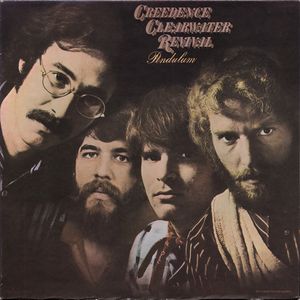
Have You Ever Seen the Rain?
Why it matters: "Have You Ever Seen the Rain?" is one of CCR’s most emotionally resonant songs, balancing melancholy lyricism with melodic accessibility. Written during a turbulent period for the band, it reads as both a universal meditation on change and a personal reflection on internal tensions. Chart and commercial impact: Released on Pendulum in 1970, the single became a Top 10 hit and remains one of CCR’s most-played songs on radio, streaming platforms and compilations, ensuring steady royalties and public recognition. Cultural significance: The song’s plaintive melody and open-ended lyric have made it adaptable for cover versions and soundtrack placements. Its emotional directness means it continues to be used to evoke introspective moments in popular culture. Role in the band’s evolution and production notes: Notable for its inclusion of keyboards and a slightly more produced approach than earlier records, "Have You Ever Seen the Rain?" reflects CCR stretching their studio palette while retaining direct songwriting. The track’s juxtaposition of upbeat tempo and melancholic lyric showcases Fogerty’s songwriting depth.
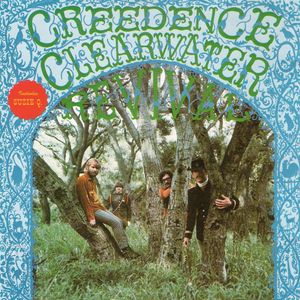
Susie Q
Why it matters: Though a cover of Dale Hawkins’ 1957 tune, CCR’s long, swampy version of "Susie Q" became their breakthrough single and established the band’s identity. The track’s motoric groove, layered guitars and echo-laden vocals introduced listeners to the band’s atmospheric blend of rock and swamp blues. Chart and commercial impact: Released as the band’s first major single, CCR’s rendition of "Susie Q" reached the upper regions of the Billboard Hot 100 and helped propel their debut album into public view, setting the stage for a rapid rise in popularity. Cultural significance: CCR’s "Susie Q" is often cited as a defining example of how the band could reinterpret earlier rock material and make it sound contemporary and visceral. The track’s extended jam approach hinted at the band’s live intensity while remaining radio-friendly in its single edit. Role in the band’s evolution and production notes: The record’s sonic texture—reverb-heavy guitars and a rolling rhythmic pulse—laid the blueprint for CCR’s sound. Producing a long-form label-friendly edit and an album-length performance demonstrated the band’s versatility in studio presentation.
Travelin' Band
Why it matters: "Travelin' Band" is CCR’s frenetic ode to the glory and grind of life on tour, channeling classic rock & roll energy into a short, explosive single. The song wears its rock & roll influences proudly—complete with shout-style vocals and piano flourishes—reconnecting CCR with the genre’s roots. Chart and commercial impact: Issued as a single from Cosmo’s Factory, "Travelin’ Band" climbed the charts quickly and became one of the band’s signature uptempo tracks. Its success continued CCR’s streak of high-profile radio hits. Cultural significance: The song’s throwback energy made it a favorite for covers and live performance shout-alongs. It also reinforced the band’s image as authentic rockers who could revive early rock & roll enthusiasm for late-1960s and early-1970s audiences. Role in the band’s evolution and production notes: Produced with CCR’s trademark clarity, "Travelin’ Band" features razor-sharp guitar, driving piano, and a near-live intensity. The arrangement showcases the band’s ability to condense exuberant performance into a tightly structured studio track.
Lodi
Why it matters: "Lodi" is a narrative gem that highlights John Fogerty’s knack for storytelling and the band’s capacity for empathetic, working-class vignettes. The song’s lament about a touring musician stranded in a small town captures the darker side of rock & roll life beneath CCR’s radio-friendly facade. Chart and commercial impact: Though never a blockbuster single, "Lodi" became a fan favorite and a staple of classic rock radio. Its inclusion on Green River helped make the album one of CCR’s most enduring records. Cultural significance: The song resonated with everyday listeners through its vivid, blue-collar imagery and has been covered by numerous artists. "Lodi" reinforced CCR’s identity as a band that could write songs rooted in American places and situations. Role in the band’s evolution and production notes: Musically lean and emotionally direct, the arrangement relies on chiming guitars and steady rhythm work from Cook and Clifford. "Lodi" demonstrated CCR’s confidence in quieter, story-driven compositions amid a string of high-energy singles.
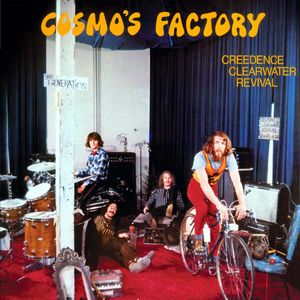
Who'll Stop the Rain
Why it matters: "Who'll Stop the Rain" channels weary, reflective songwriting into one of CCR’s most poignant singles. Written by John Fogerty in the aftermath of the band’s relentless touring and the political turbulence of 1969–1970, the song pairs acoustic urgency with an urgent chorus that captures a national mood of doubt and fatigue. Chart and commercial impact: Released on Cosmo’s Factory in 1970, the single became one of CCR’s most-played radio tracks and has consistently charted in classic rock rotations. Its success helped keep the band at the top of album and single charts during a period of peak creativity. Cultural significance: The song’s melancholic refrain became shorthand for the cultural and political unease of its era. Often interpreted as comment on the Vietnam War and social unrest, it has been used in film and television to evoke late-1960s and early-1970s atmosphere. Role in the band’s evolution and production notes: Musically, the track demonstrates Fogerty’s ability to write compact yet emotionally complex songs that blend folk sensibility with rock dynamics. The recorded arrangement—ringing acoustic guitar, subtle organ and a driving backbeat—shows CCR’s maturity in studio production while preserving their live immediacy.
Creedence Clearwater Revival compressed a wide swath of American musical traditions into short, unforgettable records and singles. In just a few years, CCR produced songs that were commercially dominant and culturally resonant—tracks that continue to define what roots-rock can be. These ten songs capture the band’s range: from protest songs and character sketches to unadulterated rock & roll. Exploring these tracks offers an efficient roadmap into CCR’s artistry—Fogerty’s songwriting, the band’s tight ensemble playing, and a production aesthetic that prioritized clarity and emotional immediacy. For listeners new and old, these ten songs are essential listening and a strong invitation to explore the band’s full catalog.
Last Updated: 3/4/2026