

Talking Heads Top 10 Songs: The Definitive Ranked List of Their Greatest Hits
Listen on Spotify
Talking Heads, the New York City art-rock pioneers, reshaped post-punk and new wave with artful rhythms, worldbeat influences, and David Byrne’s singular vocals. This Top 10 Songs list spotlights the band’s genre-defining tracks, cultural impact, and enduring influence on alternative music. Explore the definitive ranking of Talking Heads’ most essential songs and why they continue to resonate.
The Top 3
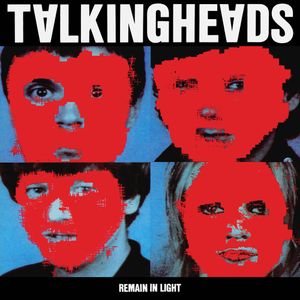
Once in a Lifetime
Remain in Light · 1980“Once in a Lifetime” is the definitive Talking Heads song: a hypnotic, transformational piece that marries ecstatic polyrhythms with existential lyricism. Produced with Brian Eno, the track layers looping grooves, ghostly synth textures and Byrne’s frantic, sermon-like vocal to create a moment that feels both ancient and futuristic. Though its initial chart performance was modest, the song grew into an enduring cultural landmark through its iconic music video and frequent radio and streaming presence. It is often cited as the band’s signature track and a cornerstone of alternative and art-rock canons. Artistically, the song represents the apex of Talking Heads’ experimental phase and their talent for turning philosophical ideas into pop epics. Its influence ripples across decades of musicians who draw on its rhythmic daring, studio innovation and lyrical depth.

Psycho Killer
Talking Heads: 77 · 1977“Psycho Killer” is the proto-signature song that announced Talking Heads to the world: paranoid, witty and melodically unforgettable. The stalking bassline, Byrne’s half-whispered vocal, and the song’s bilingual coda make it instantly distinctive, turning an art-school sensibility into a pop-culture touchstone. The single became the band’s breakthrough and remains one of their most performed and recognizable songs. Its cultural impact extended beyond music into film, television and popular imagination, where the song’s title and hook became shorthand for anxiety and alter-ego storytelling. In the band’s evolution, “Psycho Killer” crystallized the Talking Heads identity—intellectual, rhythmically taut, and theatrically delivered—and set the stage for the adventurous production and rhythmic deepening that would define their next albums.
Life During Wartime
Fear of Music · 1979“Life During Wartime” captures Talking Heads’ sly blend of paranoia, urban reportage and dancing menace. The song’s jagged funk groove and Byrne’s urgent lyrics about survival and displacement encapsulate late-1970s anxiety while remaining fiercely rhythmic and danceable. The track became a live favorite and one of the band’s most quoted songs, often cited by critics as an essential example of their ability to fuse narrative lyricism with propulsive music. It helped solidify Fear of Music as a critical success and an influential work in post-punk circles. Culturally, its themes of social unrest and the surreal experience of modern life resonated with listeners and artists navigating changing urban landscapes. Musically, the song reinforced the band’s commitment to blending rock with funk and dance idioms—an approach that would culminate on Remain in Light.
Honorable Mentions
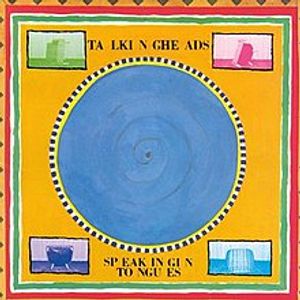
This Must Be the Place (Naive Melody)
“This Must Be the Place (Naive Melody)” stands out as Talking Heads’ most heartfelt and tender song, a rare love song from a band known for irony and distance. Built on a deceptively simple, repeated melodic pattern—hence the parenthetical “Naive Melody”—the track trades complexity for intimacy and emotional resonance. Although not a blockbuster single, the song has become a fan favorite and a wedding-list staple for listeners who find genuine warmth in Byrne’s vocal delivery and the band’s lush arrangement. Its popularity has endured through covers and frequent inclusion on playlists celebrating alternative-era ballads. Artistically, the track broadened perceptions of what Talking Heads could convey, proving they were capable of sincere vulnerability as well as intellectual detachment. It marked a matured songwriting approach that balanced minimalism with melodic richness.
Crosseyed and Painless
“Crosseyed and Painless” is a dense, polyrhythmic masterpiece that showcases Talking Heads’ deep dive into African-influenced rhythms and studio experimentation. Layered percussion, jittery guitar lines and Byrne’s fragmented spoken-sung delivery create a track that demands repeated listening to reveal its structural complexity. While not a major chart single, the song became a crucial touchstone for musicians and critics who admired the band’s adventurous production. It helped establish Remain in Light as a landmark album that expanded what rock music could incorporate rhythmically and texturally. The track’s significance is in its influence: “Crosseyed and Painless” inspired later alternative and dance artists to explore polyrhythms and production layering. In the band’s arc, it represents Talking Heads at their most experimental and collaborative, especially in their work with Brian Eno and African percussionists.
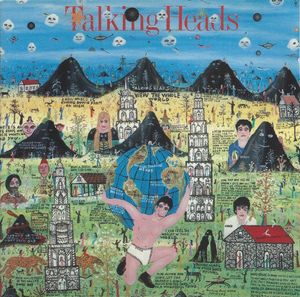
And She Was
“And She Was” marries whimsical storytelling with bright, jangly production, showing Talking Heads’ knack for infusing surreal lyrics with radio-friendly hooks. The song’s melodic buoyancy and lyrical ambiguity made it an accessible single that maintained the band’s offbeat personality. The single received solid airplay and became one of the standout tracks from Little Creatures, an album that found the band leaning into clearer pop structures. Its success demonstrated the band’s adaptability and continued relevance during the mid-1980s. Culturally, the track exemplifies David Byrne’s gift for observational songwriting that blends humor, curiosity and emotional nuance. In the narrative of the band’s evolution, “And She Was” is a compelling example of Talking Heads translating eccentric ideas into enduring pop songs.
Burning Down the House
“Burning Down the House” is the kinetic, radio-ready explosion that became Talking Heads’ biggest American single. Built on a propulsive groove, call-and-response hooks and David Byrne’s punchy delivery, the track captured the band at their most immediate and dance-oriented. Commercially, the song gave Talking Heads their highest-charting U.S. single and became a staple of MTV at the height of the network’s cultural influence. Its crossover success introduced broader audiences to the band’s catalog and helped Speaking in Tongues become one of their most commercially successful albums. Artistically, the track represented a pivot toward groove-first rock and demonstrated the band’s ability to distill experimental ideas into unabashedly fun, stage-ready anthems. The song’s energy and mainstream reach also reinforced Talking Heads’ role as innovators who could command both avant-garde credibility and pop success.
Wild Wild Life
Taken from David Byrne’s True Stories film and soundtrack, “Wild Wild Life” is pure Talking Heads pop—bright, playful and infused with postmodern irony. The song’s upbeat groove and catchy hook exemplify the band’s talent for marrying clever storytelling with danceable arrangements. The single performed well on alternative and mainstream radio and gained extra visibility through a memorable music video that captured the band’s quirky visual sensibility. Its commercial visibility helped sustain Talking Heads’ presence in the mid-1980s music scene. “Wild Wild Life” underscores the band’s late-career embrace of popcraft and multimedia presentation. It also demonstrates how Talking Heads translated their conceptual songwriting into succinct, crowd-pleasing formats while retaining a distinct sense of humor and stylistic curiosity.
Road to Nowhere
“Road to Nowhere” closed Talking Heads’ Little Creatures with a triumphant, hymn-like quality that contrasted the album’s sunnier, more direct pop songs. David Byrne’s evocative lyricism and the song’s singalong chorus gave it an anthemic character that resonated on radio and in concert. As a single, “Road to Nowhere” enjoyed strong international airplay and became one of the band’s most recognizable later-career tracks. Its approachable production and memorable melody made it a late-career staple that introduced new listeners to Talking Heads’ blend of intelligence and warmth. The song’s cultural importance lies in its synthesis of existential lyricism with accessible pop form, demonstrating the band’s ability to make weighty themes singable and communal. Within the band’s arc, it represented maturity: a group translating experimental instincts into fully realized pop statements without losing their conceptual edge.
Take Me to the River
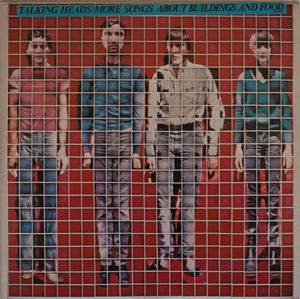
Talking Heads’ cover of Al Green’s “Take Me to the River” marked a turning point for the band, showcasing their ability to reinterpret American soul through a nervy, art-rock lens. Produced with Brian Eno, the track preserved the song’s sensual core while introducing angular guitars and a taut rhythmic framework that hinted at the group’s future explorations. Commercially, the cover broadened Talking Heads’ audience and helped the More Songs About Buildings and Food album gain wider attention beyond the New York club circuit. The single’s accessible groove made it a frequent live inclusion and a bridge between the band’s early minimalism and more rhythm-forward work. Culturally, their version stands as an early example of cross-genre reinterpretation in new wave, proving the band could honor tradition while reshaping it. In the band’s evolution, “Take Me to the River” signaled a willingness to embrace funk and soul textures—ingredients that would be central to Remain in Light and later collaborations with global rhythms.
Talking Heads’ legacy is defined by restless creativity, rhythmic innovation, and a rare ability to synthesize art-school concepts with wide-reaching pop appeal. These ten songs trace the band’s journey from lean post-punk originals to globe-spanning rhythmic experiments and accessible pop anthems, revealing why they remain touchstones for alternative music. This Top 10 captures the range of Talking Heads’ artistry—intellectual lyricism, dance-floor urgency, studio daring and emotional surprise. These tracks are essential listening for anyone seeking to understand how a group from downtown New York reshaped modern rock; listeners are encouraged to dive deeper into the band’s albums and live recordings to appreciate the full breadth of their influence.
Last Updated: 3/4/2026