
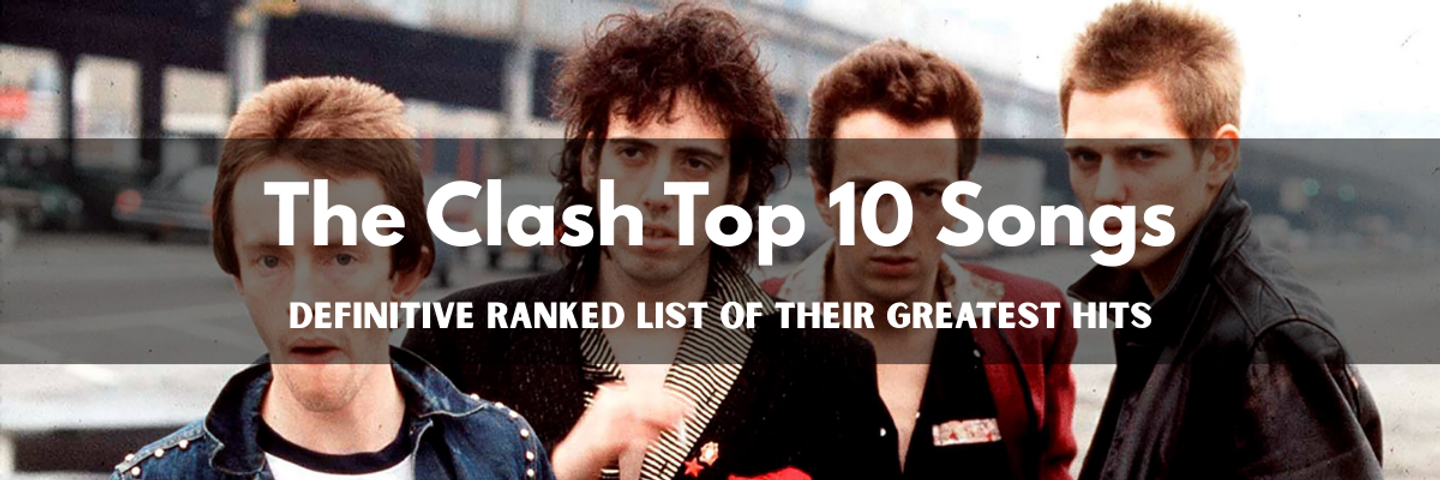
The Clash Top 10 Songs: Definitive Ranked List of Their Greatest Hits
Listen on Spotify
The Clash, the seminal London punk band formed in 1976, fused punk rock, reggae, ska and political lyricism to reshape modern rock. This Top 10 list ranks their most influential and enduring songs by impact, popularity, chart performance and cultural significance, offering a definitive guide to the band’s greatest hits.
The Top 3
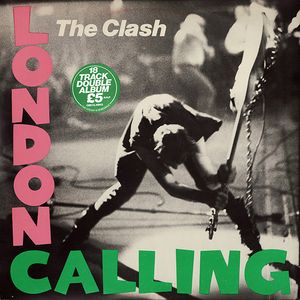
London Calling
London Calling · 1979"London Calling" is The Clash’s crowning anthem: a sprawling, genre-defying track that captures Cold War anxieties, social unease and musical daring in one powerful statement. The title track of their 1979 double album, its ominous opening bassline and urgent vocal delivery made it an instant classic. Critically and culturally, "London Calling" transformed The Clash from punk provocateurs into rock icons. The song—and the album—received widespread acclaim for its ambitious fusion of punk, rockabilly, ska and reggae, and has since been enshrined as one of the most important rock records of the late 20th century. In terms of the band’s evolution, "London Calling" represents The Clash at peak creative breadth: fearless in subject matter and eclectic in musical approach. Production-wise the track balances raw energy with dynamic arrangements, capturing a band that had outgrown narrow labels and was shaping the future of politically engaged rock music.
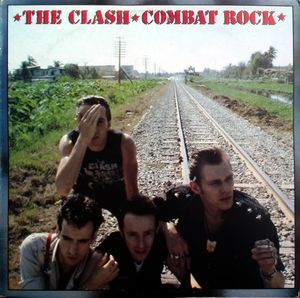
Should I Stay or Should I Go
Combat Rock · 1982"Should I Stay or Should I Go" is a taut, irresistible single that showcases The Clash’s knack for direct melody and ambiguous emotional tension. Written as a back-and-forth between Joe Strummer and Mick Jones, its punchy arrangement and singable chorus made it an enduring favorite. The song achieved significant chart success in multiple markets and later enjoyed renewed popularity through sync placements and reissues. Its straightforward structure and memorable hook turned it into a radio staple and a cross-generational touchstone. Artistically, the track underlines The Clash’s dual identity as both agitators and pop craftsmen. Its concise production and polished finish highlight the band’s ability to deliver pure rock immediacy without sacrificing songwriting sophistication.
Rock the Casbah
Combat Rock · 1982"Rock the Casbah" is The Clash’s most radio-friendly hit and one of punk’s most recognizable crossover successes. Combining boisterous piano, Middle Eastern-tinged guitar motifs and an irresistible rhythm, the song became an MTV staple and a global hit that introduced The Clash to mainstream American audiences. Commercially the single was a major success, reaching high chart positions around the world and becoming one of the band’s best-selling tracks. Its playful energy and danceable groove broadened their fan base and solidified their cultural footprint. Culturally, "Rock the Casbah" is often remembered for its ironic take on cultural conflict and its celebratory, inclusive grooves. The production incorporated unconventional instrumentation for punk, reflecting The Clash’s continued appetite for experimentation and genre-blending late into their career.
Honorable Mentions
Train in Vain
"Train in Vain" is the surprise gem hidden on London Calling—an immediate, hook-laden track with themes of betrayal and heartache. Its pop accessibility and memorable chorus helped The Clash reach audiences who might not otherwise engage with their more political tracks. The song became one of the band’s most successful singles, earning significant radio play and chart presence in multiple territories. Its crossover appeal demonstrated The Clash’s mastery of concise, emotionally direct songwriting without sacrificing intensity. From a production standpoint, "Train in Vain" features tight arrangements and a polished sound that contrasts with the band’s earliest raw records. The track showed that The Clash could craft mainstream-friendly songs while retaining their edge and lyrical sincerity.
Complete Control
"Complete Control" is an early landmark in The Clash’s career, written in direct response to record-label conflicts and music industry control. Its aggressive riffing and sardonic lyrics make the song a defiant protest against corporate interference. Upon release, "Complete Control" told audiences that The Clash would not be easily managed, boosting their credibility within the punk community and beyond. The single’s biting tone and raw production emphasized independence and authenticity over commercial compromise. This track represents The Clash’s willingness to confront the machinery of the music business head-on. As both an artistic statement and a historical document, it clarified the band’s stance and set the tone for their combative public image.
Spanish Bombs
"Spanish Bombs" pairs a propulsive rock groove with evocative historical imagery, drawing on the Spanish Civil War to explore themes of memory, loss and political struggle. The song blends lyricism and melody in a way that broadened The Clash’s emotional and narrative range. As part of London Calling, "Spanish Bombs" contributed to an album that critics hailed as a masterpiece of ambitious, politically conscious rock. The song’s combination of jangly guitars and driving rhythm made it popular on album-oriented radio and a favorite among listeners who valued songwriting depth. The track showcases The Clash’s ability to write literate, internationally-minded songs, expanding punk’s thematic possibilities. Production-wise it balances urgency with clarity, ensuring the historical narrative is as compelling musically as it is poetically.
Clampdown
"Clampdown" is one of The Clash’s most politically charged anthems, pairing a driving rock arrangement with incisive commentary on oppression, labor and the compromises of adulthood. Musically muscular and lyrically direct, it remains a rallying cry in the band’s repertoire. Though not issued as the album’s lead single, "Clampdown" has enjoyed enduring popularity among fans and critics alike, becoming a staple of the band’s live sets and numerous compilations. Its theme of resisting institutional pressure resonated across punk and alternative audiences. In the arc of The Clash’s development, "Clampdown" embodies the fusion of punk urgency with mature songwriting and arrangement. The sharp interplay between rhythm section and guitar parts demonstrates their evolution beyond three-chord simplicity toward more layered, anthemic rock.
Bankrobber
"Bankrobber" is a standout example of The Clash’s reggae-infused experiments, pairing a dub-influenced rhythm with lyrical storytelling about outsider survival. Released as a standalone single, it showcased the band’s willingness to incorporate Jamaican sonic textures and groove-oriented arrangements. Commercially the single performed well and remains a distinctive entry in The Clash’s catalog—less raucous than their punk anthems but more adventurous in rhythm and tone. It resonated with listeners who appreciated depth and atmosphere as alternatives to straight-ahead punk aggression. Artistically, "Bankrobber" signaled the group’s deepening interest in international sounds and narrative songwriting. The production uses space and echo in ways uncommon for punk at the time, reflecting the band’s expanding toolkit and their refusal to be boxed into a single musical identity.
I Fought the Law
The Clash’s cover of "I Fought the Law" transformed a familiar rockabilly tune into a punk-pop singalong with defiant energy. The band made the song their own, injecting urgency and fatalism that resonated with audiences beyond punk’s inner circles. Chart-wise, the track helped broaden The Clash’s commercial profile, becoming a frequent radio staple and an accessible entry point for listeners unfamiliar with the band’s political catalog. Its singable chorus and concise structure have made it a live favorite and a perennial crowd-pleaser. The cover demonstrates The Clash’s knack for reinterpreting roots music through a punk lens, foreshadowing their comfort with blending genres. The recording’s straightforward production preserves the immediacy of their live approach while spotlighting the band’s knack for melodic hooks.
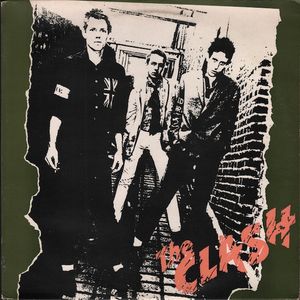
White Riot
"White Riot" stands as an incendiary statement from The Clash’s earliest days, capturing the anger and urgency that propelled British punk. Written by Joe Strummer and Mick Jones after the Notting Hill Carnival unrest, the song’s five-chord blast became a manifesto for musical and social confrontation. Commercially and culturally, "White Riot" helped establish The Clash as punk spokesmen, earning attention for its stark lyricism and breakneck delivery. While not a major chart-blockbuster by later standards, its raw single release in 1977 put the band on the map and galvanized a generation of politically minded youth. In the band’s evolution, "White Riot" exemplifies The Clash’s commitment to direct, unvarnished commentary delivered at punk tempo. Production-wise it’s stripped and aggressive, spotlighting a band that prioritized message and momentum over polished studio trappings—an important foundation for their later stylistic expansions.
The Clash’s legacy endures because they combined punk’s confrontational urgency with an expansive musical imagination and uncompromising politics. These ten songs trace their journey from street-level revolt to global influence, highlighting moments of raw protest, melodic clarity and adventurous genre-mixing. Together, these tracks define The Clash’s influence on rock, punk and alternative music: they are the essential starting points for anyone exploring a band that redefined what popular music could say and sound like. Dive into these songs and then keep listening—The Clash’s catalog still rewards deeper exploration.
Last Updated: 3/4/2026