
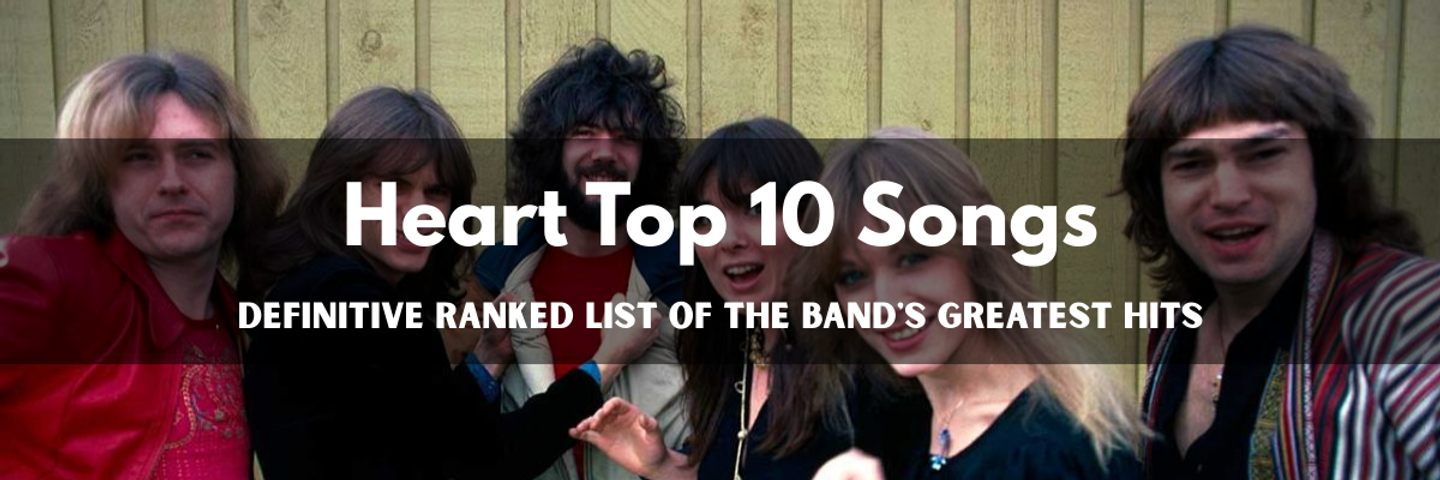
Heart Top 10 Songs: Definitive Ranked List of the Band's Greatest Hits
Listen on Spotify
Heart is the iconic American rock band from Seattle led by sisters Ann and Nancy Wilson, blending hard rock, folk, and arena-ready pop. Their genre-spanning sound reshaped classic rock from the 1970s through the 1990s, influencing generations of musicians. This ranked Top 10 list highlights Heart's most essential songs—tracks that define their legacy, commercial peaks, and lasting cultural impact.
The Top 3
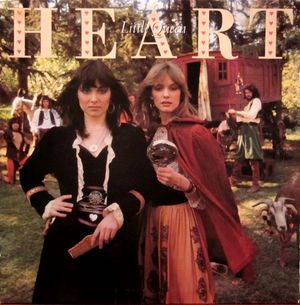
Barracuda
Little Queen · 1977“Barracuda” is Heart’s signature anthem—an aggressive, riff-driven rock attack anchored by Nancy Wilson’s urgent guitar figure and Ann Wilson’s fiery vocal delivery. Released on the 1977 album Little Queen, the song was inspired by the band’s frustration with industry machinations and quickly became the most enduring emblem of Heart’s hard-rock credentials. While it didn’t top the charts, “Barracuda” became a perennial classic on rock radio and a defining live-performance moment, often used to open or close concerts with unmistakable force. Its cultural imprint extends into film, advertising and the broader classic-rock canon, and the track crystallizes the image of Heart as a band that could marry muscular musicianship with sharp songwriting. In the story of Heart’s evolution, “Barracuda” is the nail that affirms their place in rock history—raw, confrontational and endlessly replayable.
Alone
Bad Animals · 1987“Alone” is one of Heart’s most recognizable power ballads and a commercial high-water mark, reaching No. 1 on the Billboard Hot 100 after its release from the 1987 album Bad Animals. The song’s dramatic dynamics, starting from a solitary piano to a swelling, full-band climax, provide a showcase for Ann Wilson’s extraordinary vocal range and emotional delivery. Commercially, “Alone” became an international hit and reasserted Heart’s relevance in a changing pop landscape. The track also demonstrated the band’s ability to collaborate with external writers and producers to craft stadium-sized hits while preserving their vocal identity. Culturally, “Alone” has been widely used in film and television, and its longevity on adult contemporary and classic-rock formats underlines its role in defining Heart’s late-1980s era.
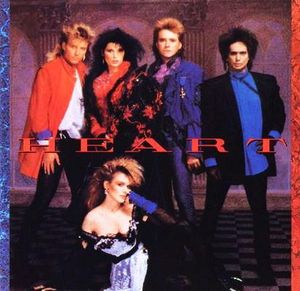
These Dreams
Heart · 1986“These Dreams” marked a milestone as Heart’s first No. 1 hit on the Billboard Hot 100 and stands as a centerpiece of their 1980s mainstream success. Featuring Nancy Wilson on lead vocals, the track’s atmospheric arrangement and introspective lyricism captured a softer side of the band that appealed broadly to pop and adult contemporary audiences. The chart-topping performance elevated Heart’s profile worldwide and demonstrated their capability to cross genre boundaries without losing artistic identity. Production-wise, the song’s shimmering textures, gated reverb and layered background vocals typify the era’s aesthetic while highlighting the Wilson sisters’ versatility. As a cultural touchstone, “These Dreams” expanded what listeners expected from Heart and remains a signature ballad in their catalog.
Honorable Mentions
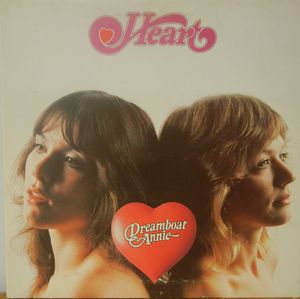
Crazy on You
“Crazy on You” is one of Heart’s earliest and most electrifying singles, famous for its rapid acoustic intro that explodes into hard-rocking fury. Released from their debut era, the song perfectly marries folk-tinged guitar work with full-throttle rock dynamics and Ann Wilson’s impassioned vocals. It became a rallying cry for the band’s live shows and introduced audiences to Heart’s dual nature—introspective musicianship and fierce rock energy. Chart-wise the single brought sustained attention to Heart in the U.S. and internationally, and culturally it remains synonymous with the band’s 1970s identity. The production balances raw performance energy with melodic clarity, and “Crazy on You” played a formative role in shaping Heart’s early reputation as both technically skilled and emotionally intense rockers.
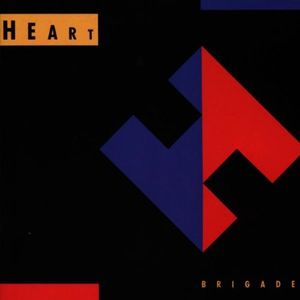
All I Wanna Do Is Make Love to You
One of Heart’s most commercially successful singles from the 1990 album Brigade, “All I Wanna Do Is Make Love to You” demonstrates the band’s knack for storytelling in a mainstream pop-rock format. With a narrative lyric that sparked conversation and a production geared for adult contemporary and pop radio, the single reached high chart positions and broadened Heart’s audience beyond rock-centric listeners. Its polished arrangement and radio-friendly structure exemplify Heart’s late-80s/early-90s mainstream phase, where emotional narratives and big choruses defined their biggest hits. The song also played a role in concert setlists as a dramatic, crowd-pleasing number and remains a frequently included track on compilations and streaming playlists that survey Heart’s chart-oriented era.
What About Love
“What About Love” revived Heart’s commercial fortunes and became an iconic comeback single when it was released on the 1985 Heart album. The song’s dramatic, emotive balladry and soaring chorus showcased the band’s ability to craft radio-ready anthems while foregrounding Ann Wilson’s vocal intensity. Chart performance for the single returned Heart to the upper reaches of mainstream airplay, and the track played a pivotal role in reintroducing the band to MTV and pop audiences. Culturally, “What About Love” broadened Heart’s appeal and contributed to the band’s late-career renaissance, influencing how they approached power ballads thereafter. From a production standpoint, the song features lush keyboard pads and layered harmonies that modernized Heart’s sound for the mid-1980s without erasing their rock credentials.
Never
“Never” exemplifies Heart’s mid-1980s reinvention: a concise, radio-focused rocker produced for maximum impact during the band’s comeback era. Released from the 1985 self-titled album, the track paired polished production with anthemic hooks, aligning Heart with the big, polished sound dominating pop-rock radio. Charting strongly on mainstream rock playlists and becoming a concert favorite, “Never” helped reintroduce Heart to a generation raised on MTV-era polish. The song’s place in the band’s evolution is significant—marking a commercial and stylistic pivot that set the stage for subsequent chart-toppers. Production notes from this era emphasize layered guitars and vocal overdubs that framed Ann Wilson’s voice against contemporary pop-rock textures, proving Heart’s adaptability without sacrificing the vocal power that defined their earlier work.
Magic Man
“Magic Man” was Heart’s first major hit and a turning point that propelled them onto the national stage. Originally appearing on their debut LP, the song’s sultry groove, prominent bass line, and Ann Wilson’s commanding vocal performance combined to create one of rock’s memorable early singles. It crossed over to significant radio play and helped the Dreamboat Annie album gain momentum. The lyrics and production—featuring daring instrumental breaks and a theatrical arrangement—showcased Heart’s fusion of hard rock energy and pop accessibility. “Magic Man” laid the foundation for the band’s image as formidable players in a male-dominated rock world and became a touchstone in their live shows and classic-rock rotations, underscoring Heart’s initial commercial breakthrough and stylistic identity.
Dreamboat Annie
The title track from Heart’s 1975 debut album, “Dreamboat Annie” announced the Wilson sisters’ penchant for tender melody and cinematic lyricism. Built around warm acoustic textures and wistful harmonies, the song contrasted with the band’s harder-edged singles and established Heart’s versatility from the outset. While not the band’s biggest chart single, “Dreamboat Annie” served as a calling card that introduced mainstream audiences to the emotional depth behind the group’s rock veneer. The track’s influence is audible in the way Heart balanced sensitivity and toughness in later work, and it remains an enduring piece of the band’s identity—often included on greatest-hits collections and acoustic-oriented sets highlighting Nancy Wilson’s songwriting elegance.
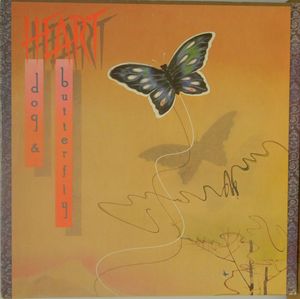
Dog & Butterfly
“Dog & Butterfly” captures Heart’s ability to inhabit both gentle acoustic storytelling and electric rock drama within a single artistic frame. As the title track of their 1978 album, the song splits into two contrasting halves—a pastoral, melodic acoustic section followed by an upbeat rock outro—showcasing Ann and Nancy Wilson’s range as composers and performers. Commercially it reinforced the band’s staying power after their mid-1970s breakthrough, while artistically it confirmed Heart’s willingness to take structural risks on album cuts rather than rely solely on single formulas. Culturally, the track has endured as a fan favorite and a staple of deep-cut compilations, often cited by listeners for its emotional directness and narrative lyricism. In the arc of Heart’s evolution, “Dog & Butterfly” represents the band’s maturation beyond riff-driven hits into more expansive songwriting and dynamic arrangements, and it remains a highlight in retrospective playlists and concert encores.
Heart’s legacy is built on fearless vocals, dynamic songwriting and an ability to evolve across decades without losing a core identity. These ten songs chart the band’s journey from folk-inflected hard rock to pop-smoothed arena anthems, highlighting the moments that defined their commercial success and enduring cultural cachet. Together, they demonstrate why Ann and Nancy Wilson remain central figures in rock history—artists who combined technical skill, emotional candor and a keen sense of melody. Explore these tracks in sequence to hear Heart’s stylistic arc, and then dive deeper into their albums and live performances to discover the fuller contours of a band that shaped generations of rock music.
Last Updated: 3/4/2026